Dizziness and Vertigo? A Quick Guide to Distinguishing Cervical Spondylosis–Related Dizziness from BPPV
There are many causes of vertigo, but cervical spondylosis and benign paroxysmal positional vertigo (BPPV) are two of the most commonly confused.
Although both can make you feel dizzy, their etiologies and clinical presentations are completely different. Today I’ll teach you how to quickly distinguish between them.
Benign paroxysmal positional vertigo (BPPV)
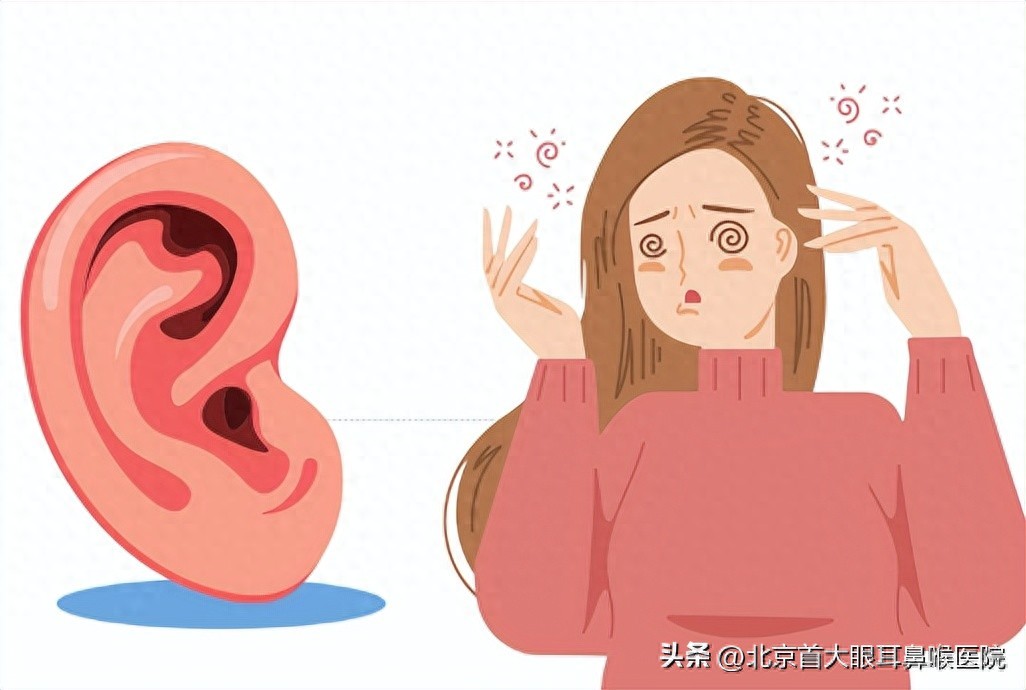
There are calcium carbonate crystals in the inner ear responsible for balance; they look like small stones, so they are called otoconia (ear stones).
When, due to aging, trauma, or unknown reasons, they fall into the semicircular canals, they roll around inside, stimulating the balance receptors and sending strong, erroneous motion signals to the brain.
Its characteristics are very distinctive:
Vertigo always occurs instantly when the head position changes. For example: getting out of bed, lying down, turning over in bed, bending to pick something up, looking up to hang clothes, etc. Once the movement stops, the vertigo greatly subsides within tens of seconds.
Each episode of vertigo is very brief, usually not exceeding 1 minute, but can feel very intense and be accompanied by nausea and vomiting.
When still, there is usually no dizziness or discomfort. Symptoms such as hearing loss, tinnitus, or numbness in the hands and feet are generally unrelated.
Cervical spondylosis
。
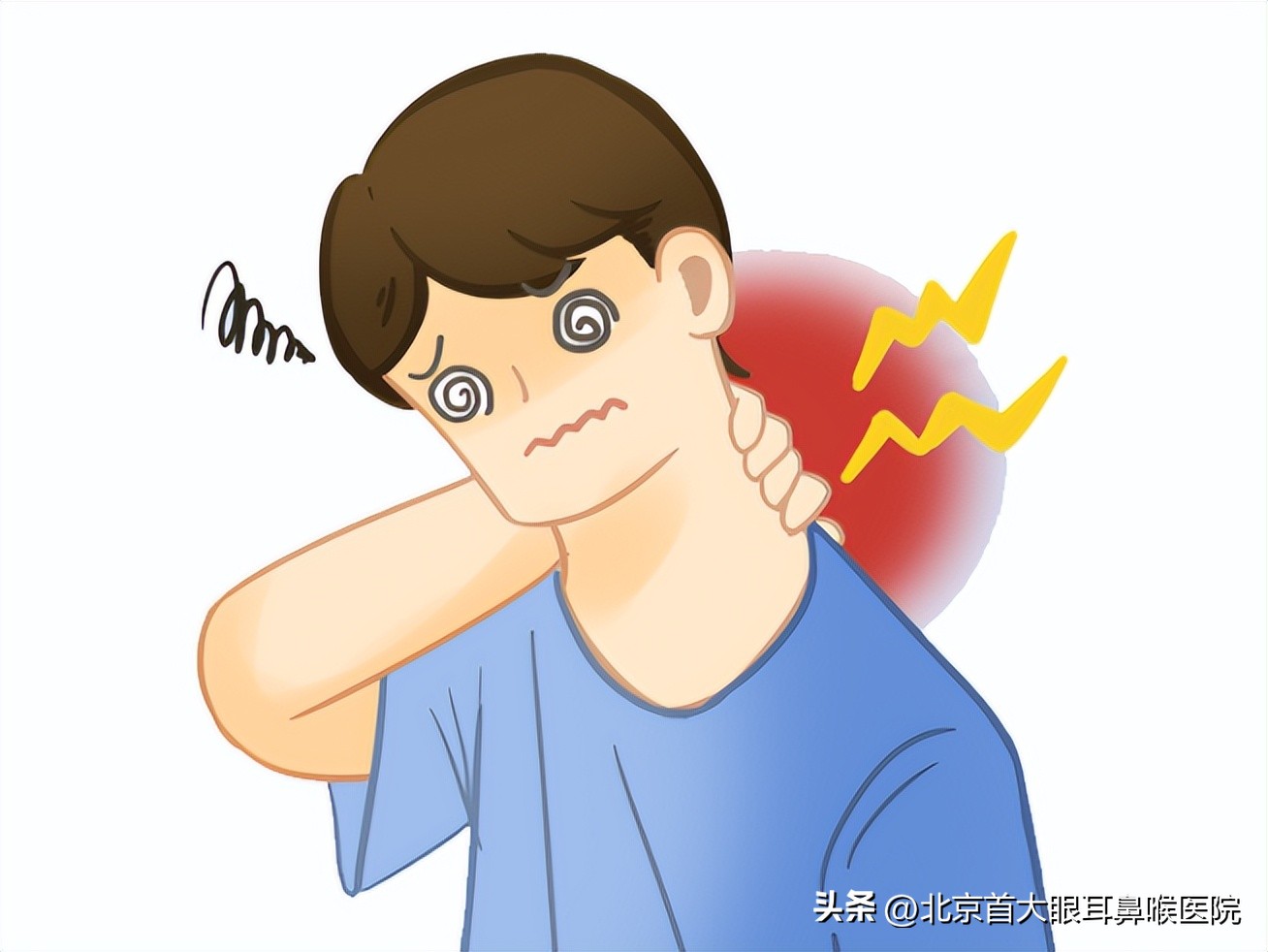
The dizziness here is more accurately described as a sense of heaviness or unsteadiness, although some patients may also feel a swaying sensation. Its origin is in the neck.
When cervical osteophytes or intervertebral disc herniation compress the vertebral artery coursing through the cervical spine, causing cerebral hypoperfusion—especially ischemia of the cerebellum and brainstem responsible for balance—dizziness can occur.
Its character is completely different:
Episodes are often related to neck movements, for example: after prolonged neck flexion while using a phone, a sudden rapid head turn, or maintaining an improper neck posture for a long time, leading to persistent heaviness or a swaying sensation.
This kind of dizziness/heaviness is usually continuous and can last for hours or even an entire day.
It rarely appears alone and is almost always accompanied by other symptoms. Commonly there is neck soreness, stiffness, numbness or weakness in the arms, or a creaking sound when turning the head.