Breast Cancer Screening: What Does Breast Cancer Screening Involve?
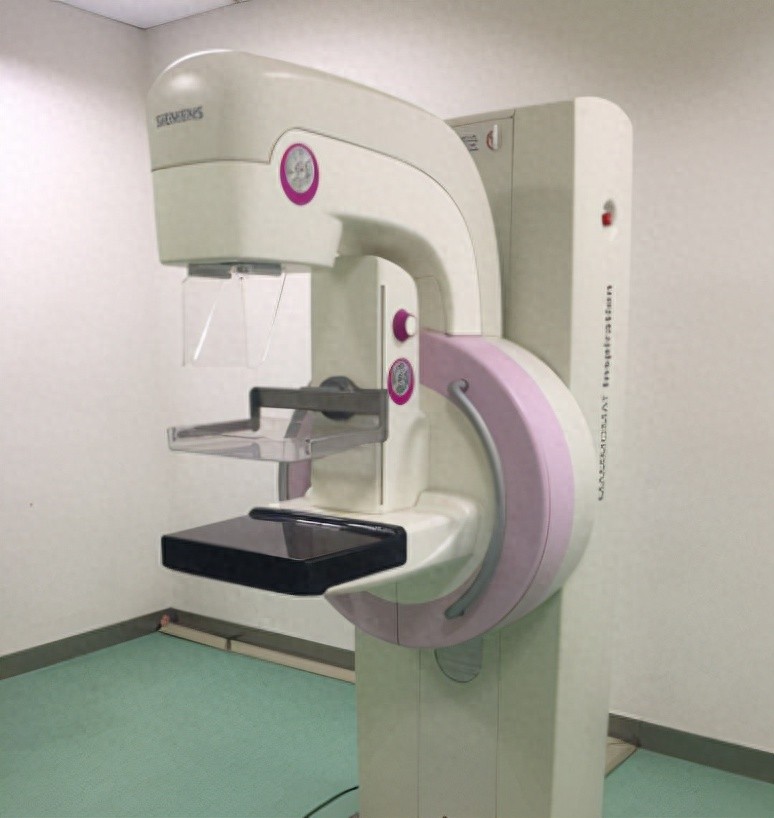
What tests are required for breast cancer screening? Unlike internal organs, the breast is relatively easy to examine. For internal organs such as the liver or pancreas, conducting a thorough examination can be challenging. Breast screening typically involves the following tests: The first is mammography, a commonly used method for breast cancer screening. Its advantage is the ability to detect very early-stage breast cancer, while its drawback is the presence of radiation, which prevents it from being performed frequently.
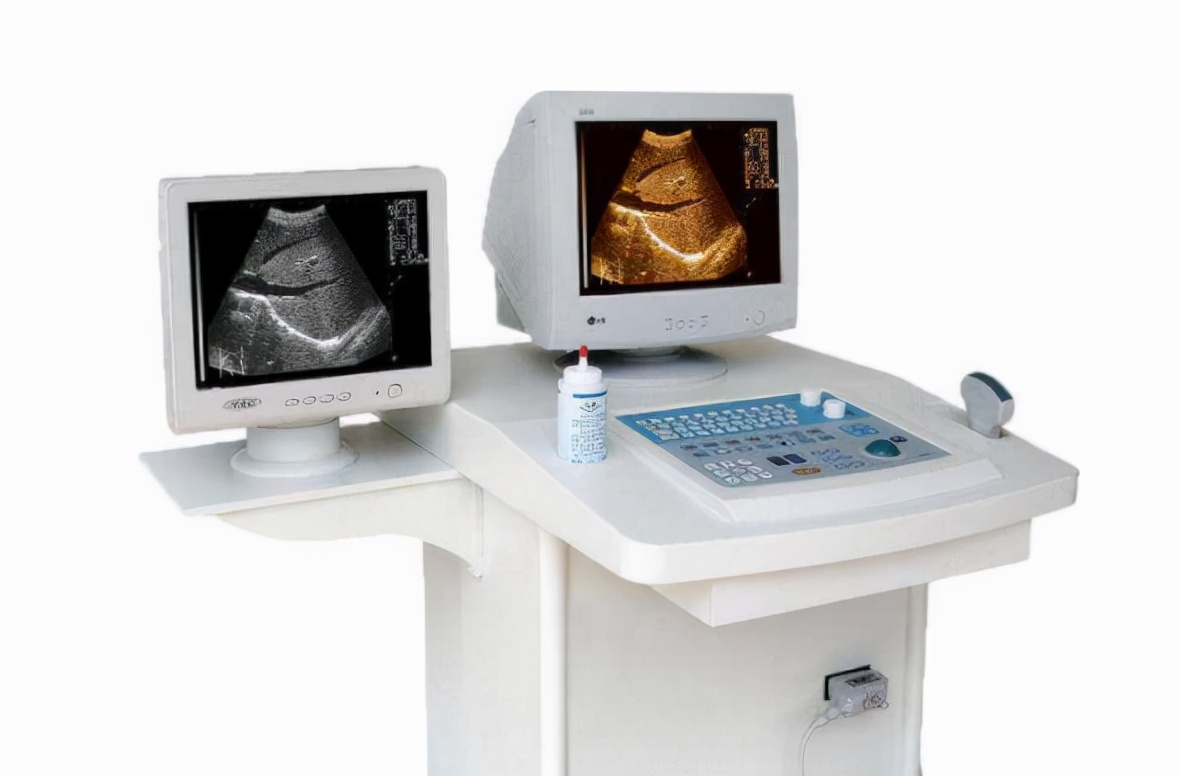
The second is ultrasound examination. Ultrasound is convenient and poses no harm to the human body, making it a preferred screening method. It is safe for women during pregnancy and breastfeeding.
Third are tumor markers, including CA153, CA125, CEA, etc., which hold certain significance in the diagnosis of breast cancer.

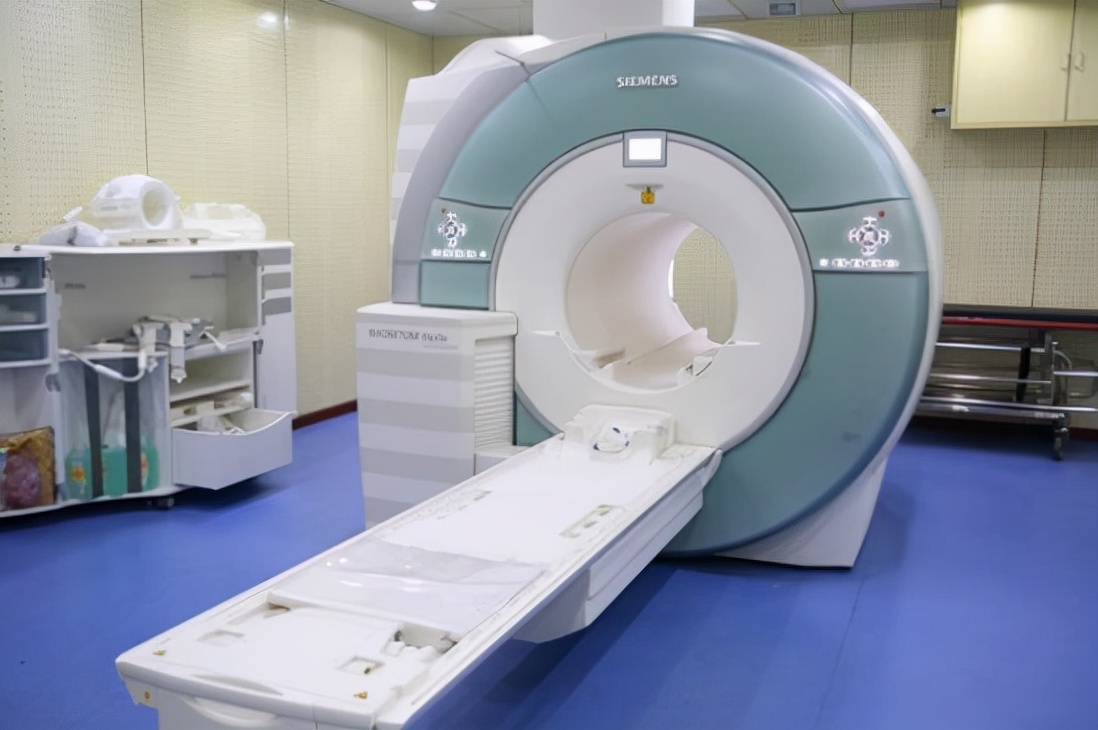
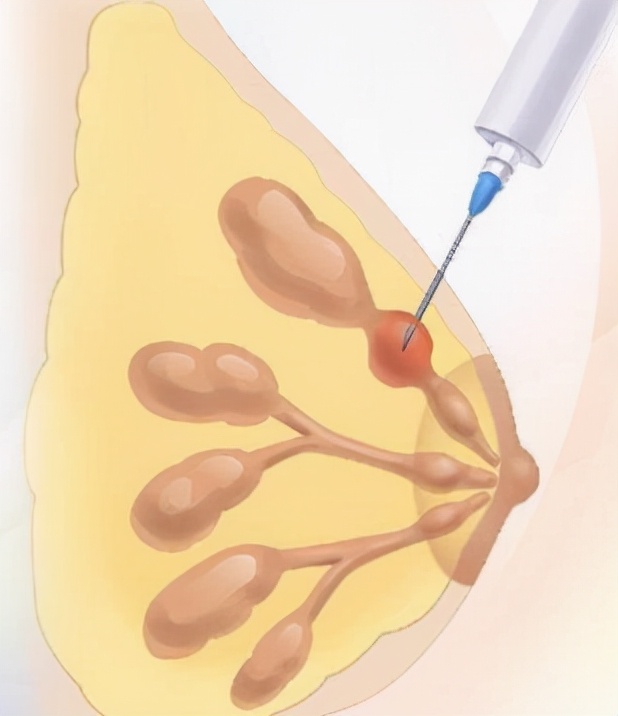
Fourth are further diagnostic methods, such as MRI and biopsy. After abnormalities are detected in the aforementioned examinations, further tests are needed to clarify the location of the lesion, its benign or malignant nature, pathological type, etc., to provide a basis for formulating a treatment plan.
I'm Dr. Hu from the Oncology Department. In the fight against cancer, we are taking action. We'll continue this topic in our next session.