"Inner deficiency" is the key factor in tumor development and the focus of tumor prevention and treatment.
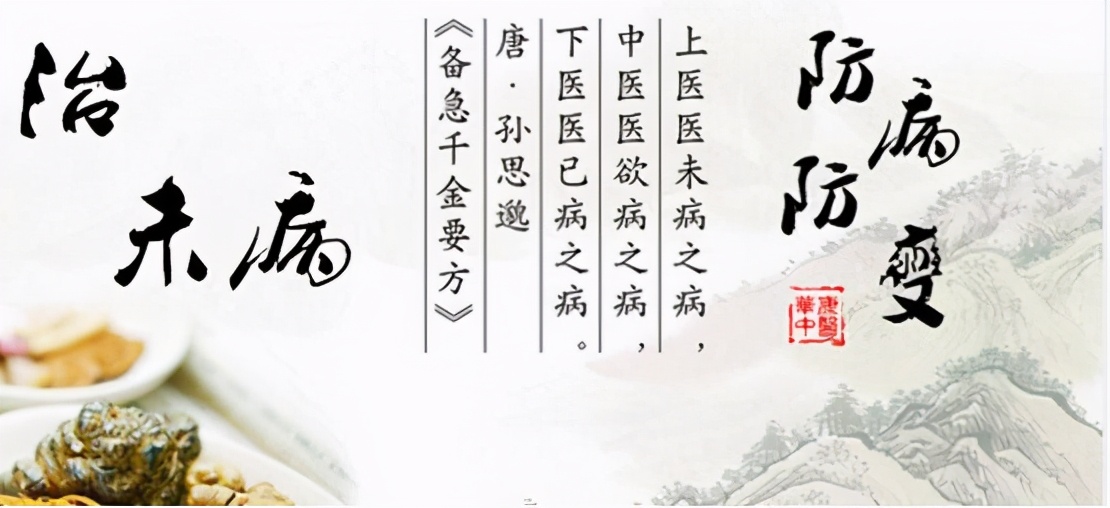
"Treating the disease before it arises" is the fundamental concept in Traditional Chinese Medicine for disease prevention and treatment. The theory of "treating the disease before it arises" posits that a tumor itself is a local manifestation of a systemic disease, characterized by overall deficiency and localized excess.
Applying the theory of "treating the disease before it arises" to clinical oncology mainly includes aspects such as "preventing disease before it occurs," "preventing progression after disease onset," and "preventing recurrence and metastasis."
I. Preventive Measures Before Disease Onset
"Preventive measures before disease onset" refers to preventing the occurrence of diseases. In the context of tumors, "preventive measures before disease onset" involves enhancing the body's disease resistance through various methods before tumors develop, achieving a state where "when the vital energy is sufficient within, pathogenic factors cannot invade."
1. Cultivate Vital Energy
"Preventive measures before disease onset" emphasize the importance of emotional regulation, strengthening physical exercise, and maintaining a regular daily routine.
Most importantly, maintaining a calm and cheerful state of mind in daily life facilitates smooth blood circulation, the harmonious flow of qi, the balance of yin and yang, and the abundance of vital energy. As stated in *Su Wen·Shang Gu Tian Zhen Lun*: “When the mind is tranquil and free from desires, the genuine qi flows smoothly, the spirit remains within, and disease cannot find its way in.”

A reasonable diet structure, adequate nutrition, avoiding food biases and overindulgence, as well as refraining from consuming unclean or moldy foods. This helps maintain balanced dietary harmony, promotes healthy spleen and stomach functions, and preserves overall physical well-being.
Humans have seven emotions; excessive emotions can lead to illness. With an optimistic and cheerful mindset, even severe diseases are easier to treat, while with a sorrowful disposition, even minor ailments may become difficult to cure.
2. "Internal Deficiency" is the key factor in the occurrence of tumors
Although the occurrence of tumors is related to factors such as external pathogens, diet, and emotional states, "internal deficiency" is the key factor in tumor development.
If the body's vital energy is abundant, external pathogenic factors cannot invade the body and cause disease. When the vital energy is weak, it lacks the strength to expel pathogens, allowing them to remain in the body. This disrupts the normal functions of the internal organs, meridians, qi, blood, and body fluids, altering the body's internal environment and leading to the onset of disease.
Due to the dysfunction and disorder of the internal organs' physiological activities, pathological products such as blood stasis and phlegm-dampness are generated, forming the pathological basis for tumor development.

Modern studies show that most malignant tumor patients exhibit a deficiency of vital energy, especially symptoms of spleen deficiency with qi depletion or kidney qi deficiency. Their cellular immune function and cortisol levels are generally lower than those of healthy individuals. Through the use of Chinese herbal medicines to strengthen the spleen and tonify the kidney, or focusing on invigorating the spleen and replenishing qi, or focusing on nourishing the kidney and consolidating essence, it is possible to enhance the patient's cellular immune function and regulate endocrine disorders. This helps restore the vital energy, strengthen the body's anti-cancer capacity, and promote recovery from illness.
3. Recognizing Precancerous Lesions and Preventing Cancer
The occurrence and progression of malignant tumors is a process of gradual transformation from quantitative change to qualitative change. Precancerous lesions represent a specific stage before the development of malignant tumors, referring to the period from cellular atypical hyperplasia to the onset of cancer.

Theoretically, all malignant tumors have precancerous lesions, but in reality, many precancerous stages of malignant tumors are difficult to detect with current diagnostic methods. Although patients often do not exhibit specific symptoms or signs at this stage, careful investigation reveals that there are always warning signs. By actively identifying and treating precancerous lesions, carcinogenesis can be halted, and the occurrence of cancer can be prevented, achieving twice the result with half the effort.
Generally, during the precancerous lesion stage, although the pathogenic factors are strong, the healthy qi is not yet depleted. The treatment focus lies on eliminating the pathogenic factors. With proactive and correct treatment using traditional Chinese medicine, precancerous lesions can not only be halted in their progression but also have the opportunity to be completely cured.
Therefore, the best treatment for tumors lies in prevention, and the optimal stage for treating tumors is during the precancerous lesion phase.
Due to the advancement of modern medicine, particularly in diagnostics, many diseases are detected at an early stage, such as atrophic gastritis and gastric mucosal intestinal metaplasia, which are precancerous lesions for gastric cancer. Traditional Chinese medicine treatment has achieved excellent results, halting the disease at this stage and thereby blocking its further progression.
II. Treating Disease to Prevent Progression
Similar to other diseases, the occurrence and development of tumors involve a continuous struggle between healthy energy (zheng qi) and pathogenic factors (xie qi). In clinical practice, proactive treatment can be based on the patterns of disease progression, with a focus on strengthening and protecting areas that are likely to be affected, thereby enhancing their ability to resist pathogenic influences.
1. Fortifying areas not yet affected by pathogenic factors
In clinical oncology, effective monitoring can be carried out based on the common metastatic sites of different tumors. Additionally, according to traditional Chinese medicine's "transmission and lodging theory," the healthy energy of unaffected areas can be enhanced.
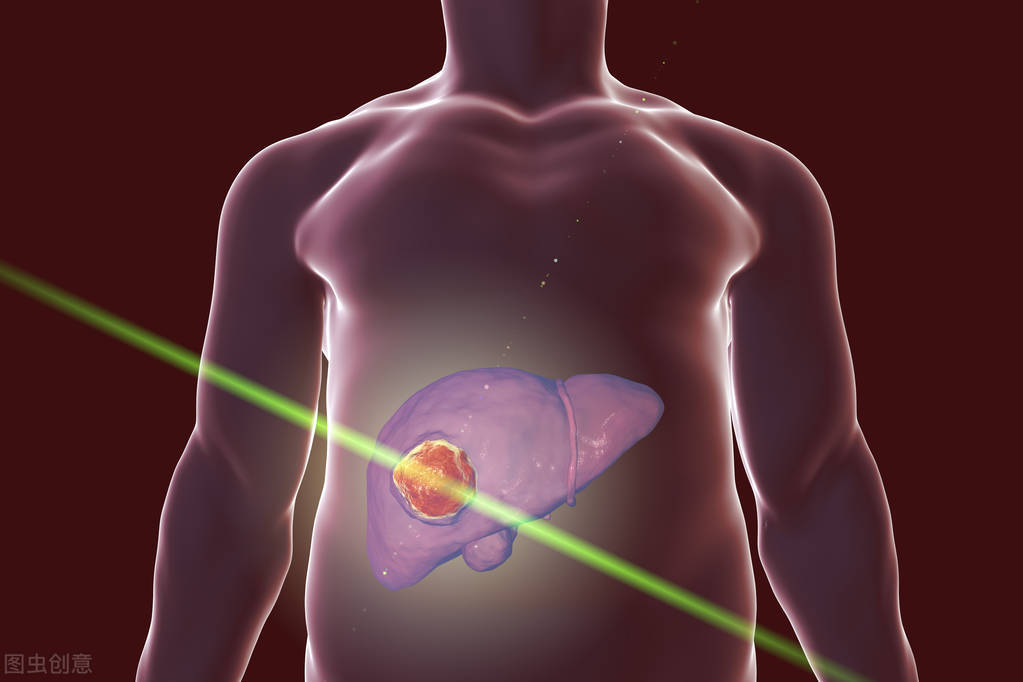
A study has shown that when the same type of colon cancer cells were implanted into syngeneic mice via the portal vein or tail vein to create models of liver metastasis and lung metastasis, and the mice were administered Shiquan Dabu Decoction and Renshen Yangrong Decoction respectively, the inhibitory effects of the two decoctions were significantly different.
Shiquan Dabu Tang has a significant therapeutic effect in inhibiting liver metastasis of colon cancer but is ineffective against lung cancer metastasis, whereas Renshen Yangrong Tang has a significant therapeutic effect against lung metastasis.
Renshen Yangrong Tang contains lung meridian-entering herbs such as Schisandra chinensis, dried tangerine peel, and Polygala tenuifolia, which have the effect of improving the pathophysiological state of the lungs, while Shiquan Dabu Tang does not contain the aforementioned meridian-guiding herbs.
The inhibitory effect of Shiquan Dabu Decoction on liver metastasis of colon cancer is closely related to the blood-tonifying effect of Siwu Decoction, while also containing the herb Ligusticum chuanxiong, which enters the liver and gallbladder meridians.
This illustrates the selective inhibitory mechanisms of different formulas on the organs to which cancer cells metastasize. Therefore, in "treating disease before it occurs," it is essential to first stabilize the unaffected areas. Based on the physiological and pathological characteristics of the organs in Chinese medicine, it is necessary to support the vital energy first, especially in the organs not yet affected by pathogens.
2. Double Primary Cancers
Clinically, there are also cases of double primary cancers, which may occur simultaneously or sequentially. However, one common characteristic among patients is that they possess an internal environment conducive to tumor development. As long as this internal environment remains unchanged, even if the first tumor is cured, it cannot prevent the occurrence of a second tumor, or even a third cancer.
Therefore, based on the theory of "internal deficiency," applying methods such as tonifying qi and nourishing blood, promoting blood circulation and resolving stasis, and strengthening the spleen and benefiting the kidneys can eliminate the internal environment that previously predisposed the patient to tumors, thereby achieving the effect of "preventing disease progression after it occurs."
3. Avoiding the Vicious Cycle
Patients with malignant tumors often fall ill due to deficiency, and the illness, in turn, leads to further deficiency, creating a vicious cycle.
In advanced-stage tumor patients, the prolonged presence of pathogens depletes essence and blood, damages vitality, and leads to emaciation, a gaunt appearance, and dual deficiency of qi and blood. Alternatively, after undergoing surgery, radiotherapy, or chemotherapy, tumor patients may suffer severe damage to qi and yin, with insufficient vital qi, manifesting as dual deficiency of qi and yin.
When vitality declines, pathogenic factors flourish. The reduced ability of the body to fight cancer often allows the tumor to spread and progress further, which is a major challenge in the treatment of advanced-stage cancer.
Therefore, adopting a combination of strengthening the body's resistance and eliminating pathogenic factors, regulating the functions of the internal organs, supplementing qi and nourishing blood, and mobilizing and enhancing the body's inherent anti-cancer capabilities has become one of the most commonly employed principles in the current therapeutics of malignant tumors, holding significant importance.
III. Preventing Recurrence and Metastasis
1. Prevention of Metastasis
Metastasis is one of the characteristics of tumors. The deficiency of yin, yang, qi, and blood both systemically and locally constitutes the fundamental cause of tumor metastasis, while conditions such as qi stagnation, blood stasis, phlegm coagulation, and cancer toxin are the necessary prerequisites for tumor metastasis.
Tumor metastasis is also related to environmental factors and constitutional factors, as stated in *Lingshu·Bai Bing Shi Sheng*: "When pathogenic factors invade due to deficiency, it is because of the timing of heaven and the condition of the body, combining deficiency and excess, then a serious illness is formed."
In clinical practice, we observe that some breast cancer patients develop metastases even 10 or more than 20 years later, indicating that with increasing age, a new imbalance arises in the patient's internal environment, causing residual cancer tissues in the body to reawaken and lead to recurrence and metastasis.
Preventing metastasis refers to achieving clinical remission after various treatments for malignant tumors. In terms of clinical treatment, besides removing cancerous lesions, it is essential to adjust the body's internal environment to achieve better outcomes.
2. Preventing Recurrence
Clinically, the factors behind tumor recurrence are extremely complex, yet internal factors still play a decisive role.
As in the case of bladder cancer, postoperative recurrence is highly likely, and each surgical procedure or electrocautery fails to alter its inherent predisposition to relapse. However, postoperative treatment with traditional Chinese medicine, aimed at regulating and transforming both the overall constitution and the local conditions of the bladder, can indeed enable some cases to remain recurrence-free for several years.
IV. Conclusion
Long-term clinical practice has shown that deficiency and impairment of the visceral organs are the fundamental causes of tumor development. Guided by the "Theory of Internal Deficiency," focusing on aspects such as "prevention before illness," "preventing disease progression," and "preventing recurrence and metastasis" can enhance cancer patients' disease resistance, improve the internal environment of the body, alleviate patient suffering, improve quality of life, and subsequently extend overall survival time.