What Exactly Are Cancer Cells? An Article Explaining the Nature of Malignant Tumors
Strictly speaking, cancer cells refer to malignant tumor cells originating from epithelial cells. However, since we commonly use "cancer" to refer to all malignant tumors, we can broadly use "cancer cells" to refer to all malignant tumor cells as well.
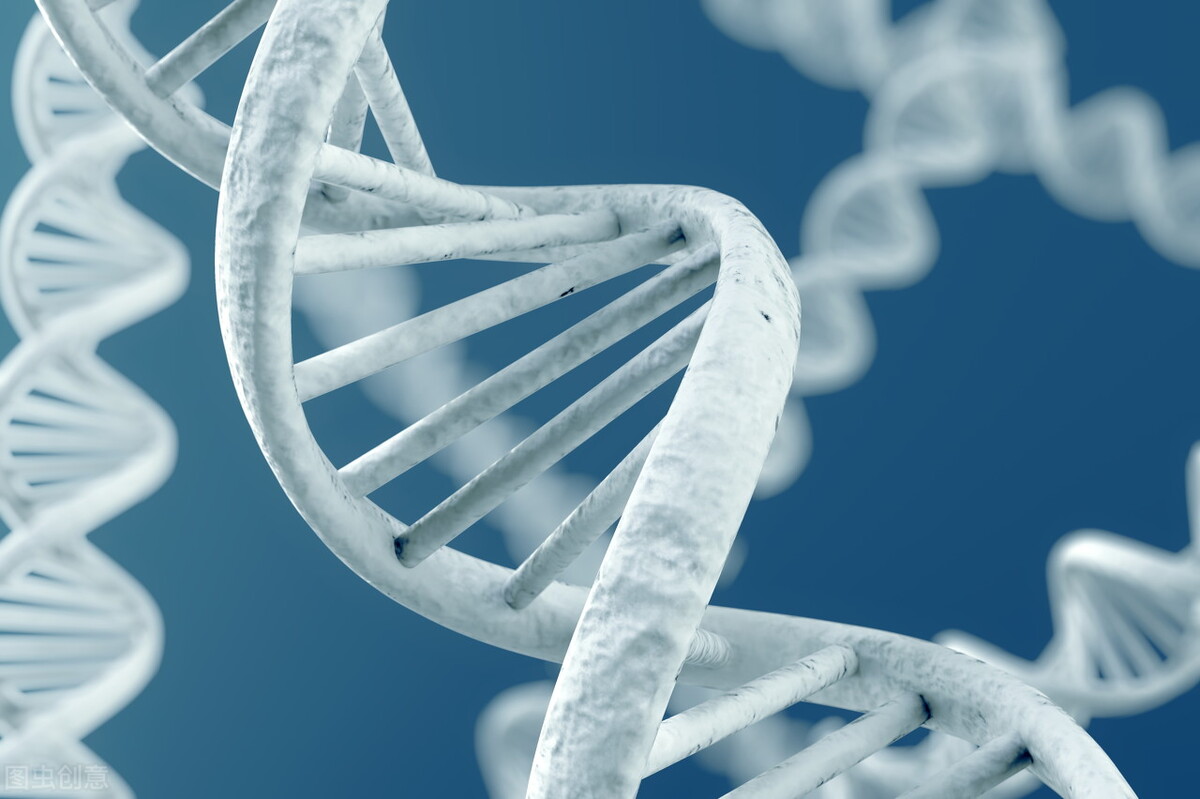
In simple terms, cancer cells are a type of mutated cell. Their essence lies in normal cells being influenced by physical, chemical, viral, and other carcinogenic factors, leading to mutations in proto-oncogenes and tumor suppressor genes.
I. Characteristics of Cancer Cells
Cancer cells have three characteristics: unlimited proliferation, ability to transform, and susceptibility to metastasis.
1. Uncontrolled Proliferation
Normal cells, influenced by genes, have a limited number of divisions. Human normal cells can divide approximately 50-60 times. However, due to mutations in proto-oncogenes and tumor suppressor genes, cancer cells lose their division limit and can theoretically divide indefinitely. Therefore, some people refer to cancer cells as "immortal cells."
Furthermore, normal cells exhibit contact inhibition, where their movement and division stop when they come into contact with each other during growth. This is why living organisms maintain their normal shapes without growing arbitrarily. Cancer cells, however, lack this phenomenon and do not stop growing upon contact. As a result, malignant tumors often appear as irregular masses, growing in a "chaotic" manner.
2. Transformability
The formation of cancer cells is not the result of a single mutation; normal cells must undergo dozens of mutations before they transform into cancer cells. In an average person’s lifetime, each gene experiences countless mutations. As age increases and the number of cell divisions accumulates, the total number of mutations rises, gradually increasing the likelihood of cancer development. Therefore, age is a significant factor in the occurrence of malignant tumors.

The above discusses internal factors; however, human survival cannot be separated from the external world. Certain external factors can accelerate mutations or promote alterations in proto-oncogenes and tumor suppressor genes, thereby inducing the development of malignant tumors. This is referred to as carcinogenicity. Currently, the World Health Organization has identified nearly a thousand carcinogens, over a hundred of which have clear carcinogenic effects on humans.
3. High Metastatic Potential
Metastasis is a characteristic of cancer cells, but the process is far from simple. After undergoing dozens of mutations, cancer cells detach from their original tissue, evade the body's immune system, and enter blood vessels or lymphatic vessels. They then avoid attacks from white blood cells within these vessels and travel to new organs. Since the environment in these new organs is often unfavorable for cancer cell survival, most cancer cells die upon arrival. The few that survive begin to grow in the new organ, gradually altering the surrounding environment and damaging normal cells.
Metastasis of cancer cells is a significant factor in disease progression; it is relatively rare in the early stages of the disease, while the probability of metastasis increases in the mid-to-late stages.
II. Growth of Cancer Cells
Due to their ability to proliferate indefinitely, their growth is unrestricted and often exhibits exponential progression, doubling from one cell to two, two to four, and four to eight. In the early stages, growth appears slow due to the small number of cells, but as the number of tumor cells continues to increase, progression becomes more pronounced in the later stages, and the disease develops at a faster rate.
It is precisely because of the increase in the number of cancer cells that the number of cells capable of metastasis also rises, and the probability of survival after metastasis to new organs increases, thereby raising the likelihood of metastasis occurring.
III. Differentiation Level of Cancer Cells
The degree of differentiation of cancer cells is an important indicator for assessing their malignancy. The higher the degree of differentiation, the more closely the cells resemble normal cells—much like an adult whose development has plateaued, with slow growth and correspondingly lower malignancy. Conversely, the lower the degree of differentiation, the more the cells resemble primitive cells—similar to an infant during a phase of rapid development, with faster growth and correspondingly higher malignancy.
However, the more immature the cells, the higher their sensitivity to radiotherapy and chemotherapy; conversely, the more mature the cells, the lower their sensitivity. In fact, during chemotherapy, we often observe a phenomenon known as bone marrow suppression. This occurs because the hematopoietic cells in the bone marrow are relatively immature and are more susceptible to damage from chemotherapy.
IV. Why is the immune system unable to accurately identify cancer cells?
Normally, the human immune system clears cancer cells from the body, which is one of the reasons why the human body undergoes constant genetic mutations but rarely develops cancer. However, in certain situations, the immune system fails to eliminate cancer cells, allowing them to grow uncontrollably. Why does this happen?
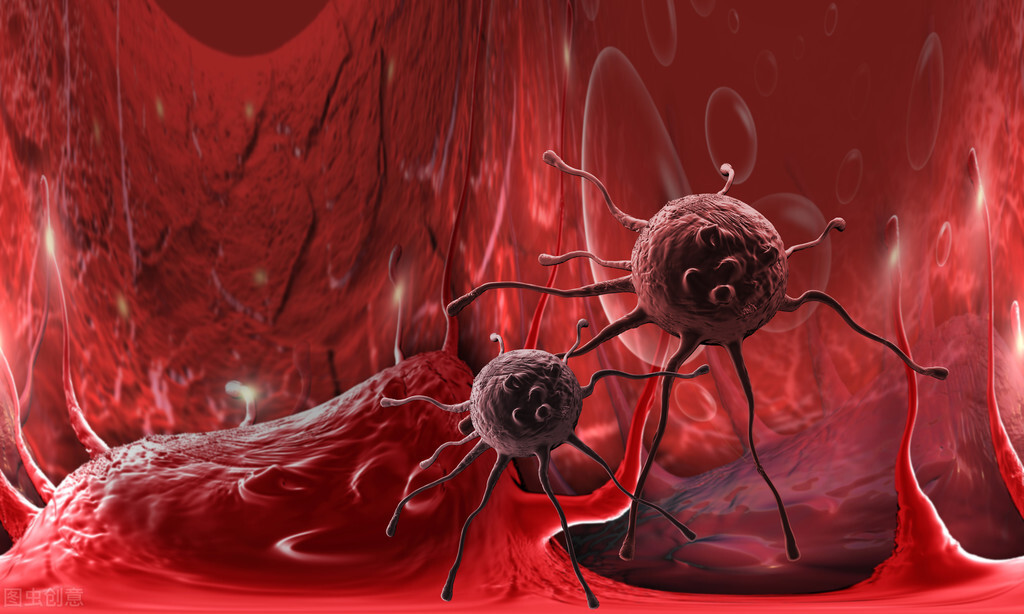
This occurs because cancer cells express specific receptors on their surface, which prevent immune cells from correctly identifying them, leading immune cells to mistake cancer cells for normal cells and let them go. Additionally, the quality of immune cells and the strength of hematopoietic function can also influence the immune system's ability to kill cancer cells.
The currently popular PD-1 therapy works by blocking the expression of receptors on cancer cells, enabling the human immune system to correctly identify cancer cells and thereby treat malignant tumors.
Traditional Chinese medicine treatment primarily improves overall immune function by enhancing the quality of immune cells and boosting hematopoietic capacity. Compared to Western medications, the anti-tumor components in traditional Chinese medicine are relatively less potent, often placing them in an auxiliary therapeutic role.
V. Conclusion
The treatment of malignant tumors is still in a stage of ongoing research, primarily focusing on prevention and early detection and treatment. Malignant tumors are often detected late and progress rapidly. We hope that through research on cancer cells, more effective tumor treatment methods can be developed, thereby providing opportunities for cure even for patients in the middle and advanced stages.