Traditional Chinese Medicine Has Become a Popular Anticancer Therapy for Primary Liver Cancer
Primary liver cancer is the sixth most common cancer worldwide and ranks third in China. In 2005, the number of new cases in China was approximately 345,000, accounting for 50% of the world's total. The prognosis for primary liver cancer is poor, with a reported five-year survival rate of less than 12% in the United States from 1973 to 2007. Due to the lack of sensitive screening tests, early-stage primary liver cancer is currently difficult to diagnose. As a result, at the time of diagnosis, only 30% to 40% of patients are eligible for conventional treatment.
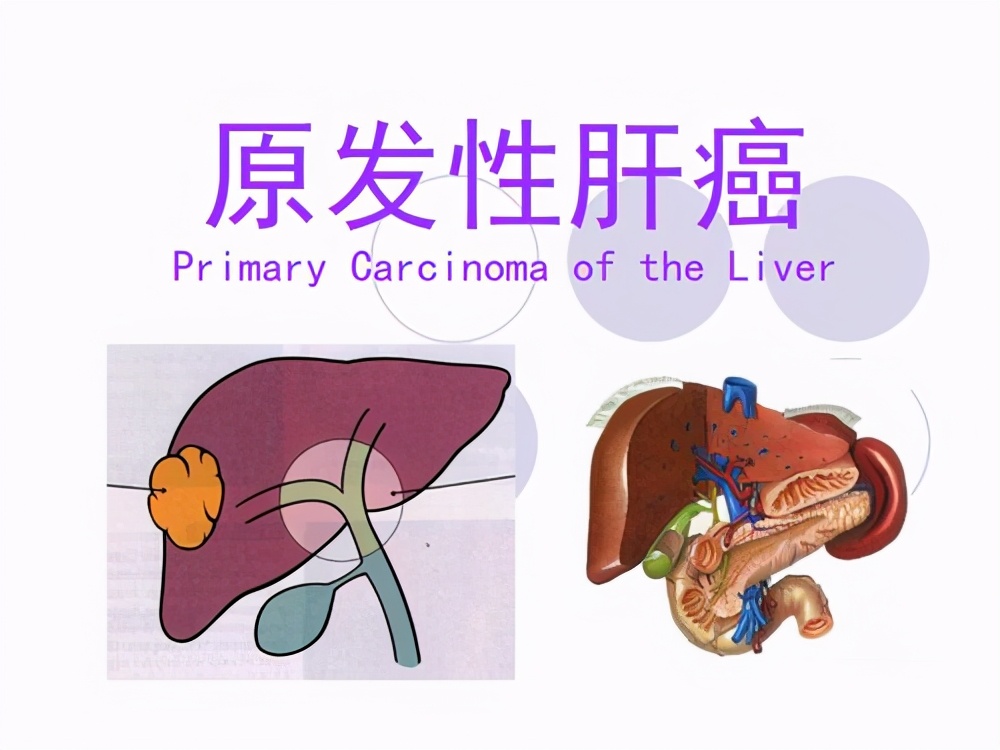
Treatment methods such as surgical resection, liver transplantation, and local ablation are only applicable to patients with preserved liver function. However, most newly diagnosed patients have already reached an advanced stage. For these patients with advanced liver cancer, treatment options are limited to palliative therapies, such as transcatheter arterial chemoembolization or drug chemotherapy. Nevertheless, many patients are either unsuitable for chemotherapy or do not respond to conventional systemic cytotoxic chemotherapy. At the same time, the postoperative recurrence rate of primary liver cancer is high.
In China and some Southeast Asian countries, traditional Chinese medicine has long been used to treat malignant tumors, including primary liver cancer. With the advancement of traditional Chinese medicine technology, an increasing number of traditional Chinese medicine injections are being used to treat liver cancer. Traditional Chinese medicine is particularly suitable for elderly patients or those in advanced stages.
Studies have shown that traditional Chinese medicine has multiple effects, such as anti-tumor angiogenesis, inducing tumor cell apoptosis, immune regulation, and analgesia. Traditional Chinese medicine has become a popular anti-tumor therapy.
The treatment of liver cancer should focus on nourishing yin blood and supplementing yang qi, supplemented with regulating qi and promoting blood circulation, using toxicity to combat toxicity, clearing heat, and promoting bowel movements. Patients must pay attention to having regular, moderate, and frequent small meals in their daily diet to reduce the burden on the gastrointestinal tract. Consume more foods rich in vitamins A, C, and E, and increase the intake of green vegetables and fruits. Regularly eat foods with anti-cancer properties, such as kale, cabbage, carrots, rapeseed, vegetable oil, and fish.