Are there any drugs that can prevent cancer recurrence?
Recurrence is a characteristic of malignant tumors and also a significant reason for treatment failure. Are there any drugs that can prevent cancer recurrence?
In fact, there are no drugs in clinical practice that can completely prevent cancer recurrence. However, through extensive experimentation and clinical data, it has been proven that we can reduce the probability of cancer recurrence by applying certain methods.
Now let's discuss some traditional Chinese medicinal herbs that can inhibit cancer recurrence:
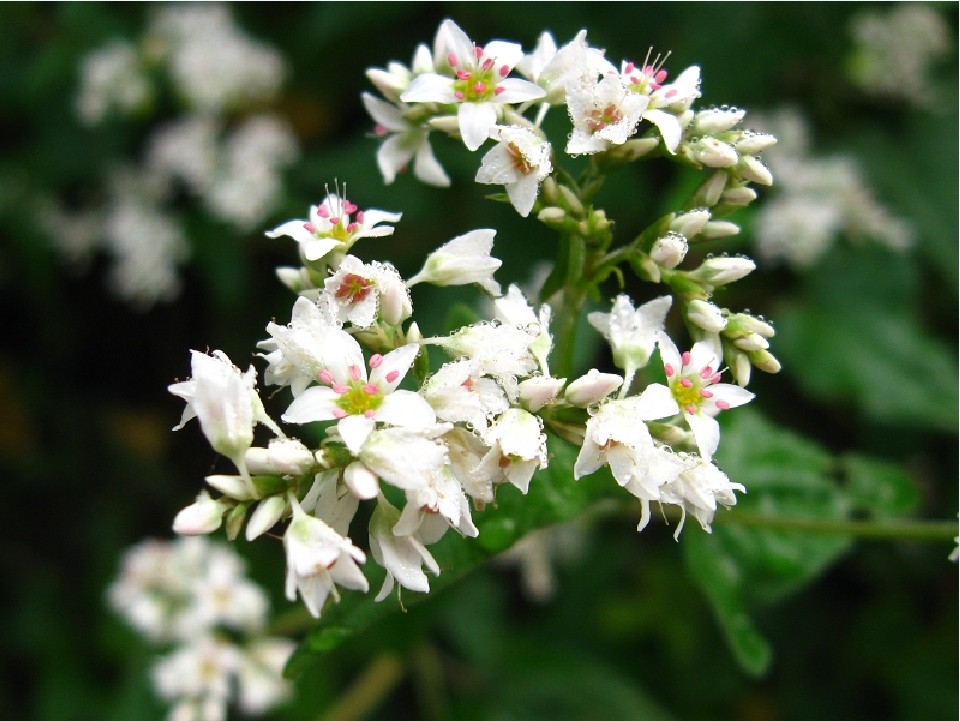
Golden Buckwheat
Golden Buckwheat is the rhizome of the plant Polygonum cymosum, and Weimaining Capsules used to treat lung cancer are extracted from it.
Golden Buckwheat has the effects of clearing heat and detoxifying, promoting blood circulation, and resolving abscesses. It shows good efficacy for lung abscesses, cough and asthma, sore throat, and rheumatic arthralgia. Golden Buckwheat is also an effective remedy for traumatic injuries and can be taken orally or applied externally.
Modern research indicates that golden buckwheat has significant anti-cancer effects. In experiments, golden buckwheat decoctions have shown notable inhibitory effects on both lung cancer and cervical cancer. Fagopyrin extracted from golden buckwheat roots demonstrated inhibition rates of 84.5%, 78.9%, and 100% against lung adenocarcinoma, cervical squamous cell carcinoma, and nasopharyngeal squamous cell carcinoma cells, respectively, damaging the membranes, RNA, DNA metabolism, and nuclear division of cancer cells.
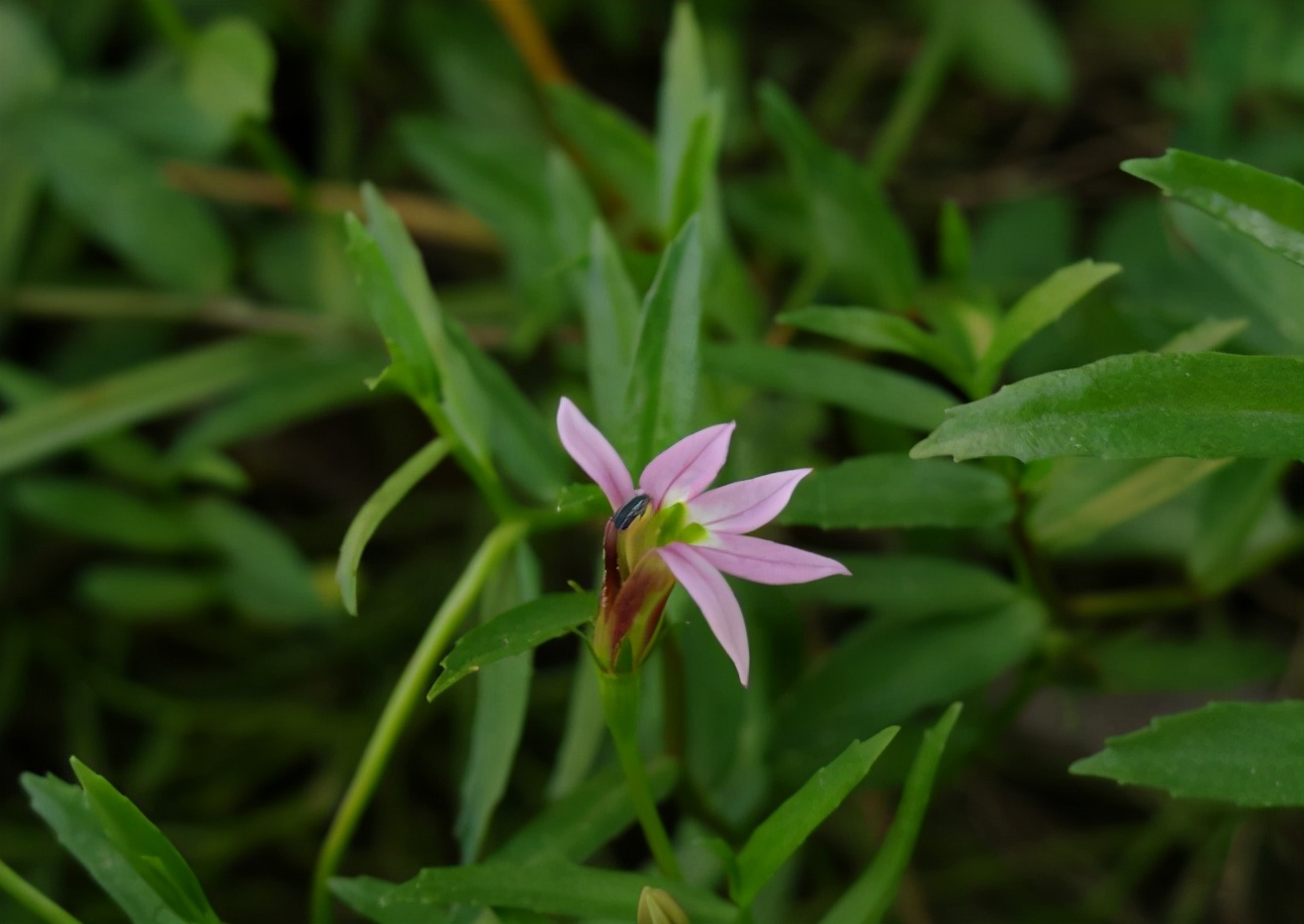
Scutellaria barbata, the whole herb of the Lamiaceae plant, has the effects of clearing heat, detoxifying, promoting urination, and reducing swelling.
Extracts of Scutellaria barbata exhibit strong cytotoxicity. Scutellaria barbata polysaccharides significantly inhibit the growth of liver cancer cells, and studies using the methylene blue tube method have confirmed that Scutellaria barbata can mildly inhibit acute myeloid leukemia blood cells.
Scutellaria barbata is commonly used in the treatment of various malignant tumors and, when combined with radiotherapy and chemotherapy, can achieve better therapeutic outcomes.
Note: Scutellaria barbata has a bitter and cold nature and should not be consumed in large quantities. Clinically, it should be used in combination with other medications to reduce its impact on the body.
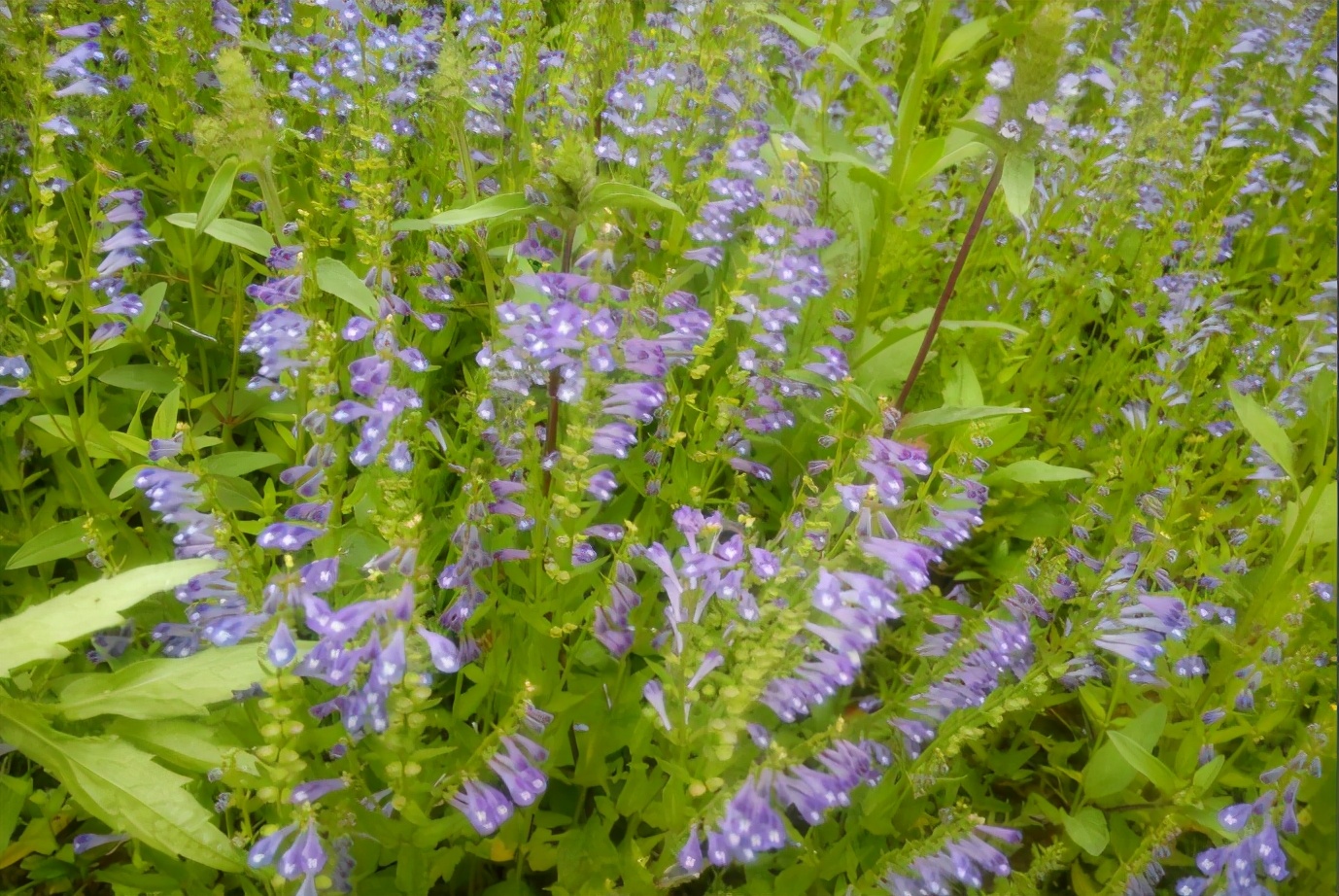
Lobelia chinensis
Lobelia chinensis is the dried whole herb of the Campanulaceae plant Lobelia chinensis, and it has the effects of clearing heat and detoxifying, promoting diuresis, and reducing swelling.
The alkaloids in Lobelia chinensis can inhibit the growth of gastric cancer cells, and the coumarin components in Lobelia chinensis have cytotoxic effects on tumor cells.
Lobelia is commonly used to treat various cancers such as gastric cancer, lung cancer, liver cancer, ovarian cancer, and bladder cancer. It is often combined with other antitumor herbs like Scutellaria barbata, Hedyotis diffusa, and Solanum nigrum, and is particularly suitable for patients with pleural effusion, ascites, or edema.
Note: The antitumor effect of lobelia is relatively weak when used alone, but it can be significantly enhanced when combined with other antitumor drugs. Therefore, lobelia is not suitable for standalone use.
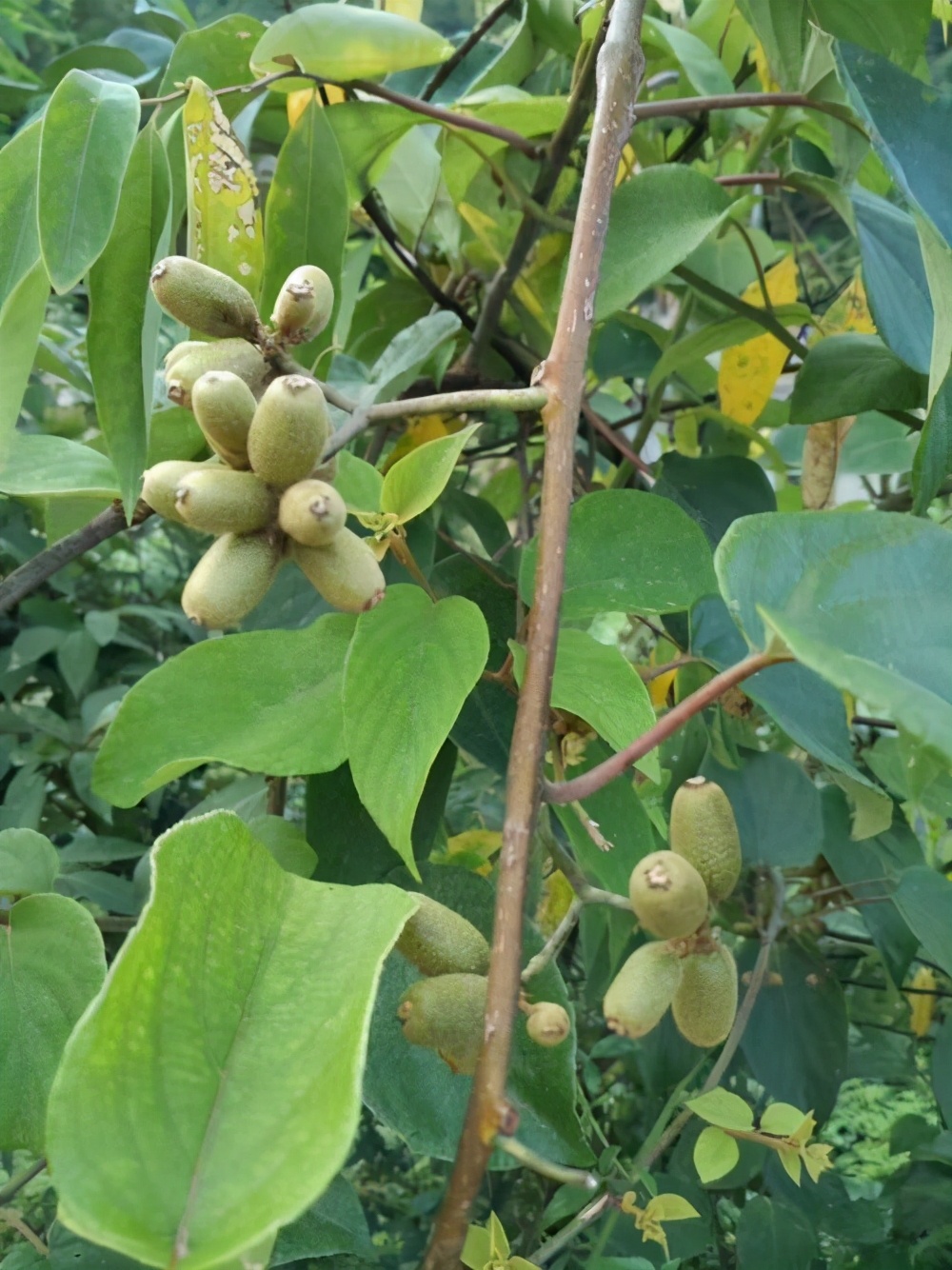
Vine Root of Kiwifruit
The root of the Actinidia arguta, known as tengli root, possesses the effects of detoxifying and promoting blood circulation, clearing heat, and dispelling dampness.
Total flavonoids from kiwifruit root extract can inhibit the growth of cancer cells through cell cycle arrest, and are commonly used in the treatment of gastrointestinal tumors. When combined with wild grape vine, *Scutellaria barbata*, *Lobelia chinensis*, and white grass root, it can enhance its antitumor effects.
Note: Kiwifruit root is cold in nature and should not be used alone for extended periods. When included in a compound formulation, its efficacy can be enhanced while minimizing the adverse effects of its cold nature on the body.
Agrimony
Agrimony is the dried aerial part of the Rosaceae plant *Agrimonia pilosa*. It has the effects of detoxifying and reducing swelling, astringing and stopping bleeding, and expelling parasites.
In in vitro experiments, Agrimonia pilosa extract can completely eradicate tumor cells while normal cells remain unaffected.
Agrimonia pilosa can be used to treat various malignant tumors and tumor-related bleeding. When used in combination with Scutellaria barbata, Oldenlandia diffusa, and Actinidia arguta root, its anti-tumor effects are enhanced. When used with Fraxinus rhynchophylla, Phellodendron chinense, Artemisia argyi charcoal, and Sophora japonica flower buds, its hemostatic effects are strengthened.
Note: Agrimonia pilosa is a hemostatic herb, and in the absence of bleeding, it is best not to use it alone.
Duchesnea indica
Snakeberry is the whole herb of the plant Duchesnea indica of the Rosaceae family, known for its effects in clearing heat, detoxifying, dispersing nodules, and reducing swelling.
Snakeberry exhibits strong anti-tumor activity, with its extracts demonstrating significant cytotoxic effects on liver cancer, gastric cancer, and esophageal cancer cells. The polyphenolic compounds in snakeberry possess potent cytotoxicity.
Note: Snakeberry is cold in nature and mildly toxic; it should not be consumed in large quantities.
Black Nightshade
Solanum nigrum is the whole herb of the plant from the Solanaceae family, known for its effects in clearing heat and detoxifying, promoting diuresis, and resolving nodules.
The cytotoxic effects of Solanum nigrum can inhibit the growth and proliferation of tumor cells, as well as inhibit angiogenesis, thereby suppressing tumor cell metastasis.
Note: Solanum nigrum has a certain therapeutic effect on cancerous pleural and abdominal effusions and is often used in combination with Solanum lyratum and Duchesnea indica. However, excessive intake can cause toxic reactions, so the clinical dosage should not be excessive.
Smilax glabra
Smilax Glabra Rhizome is the dried rhizome of the plant Smilax glabra from the Liliaceae family. It has the effects of detoxifying and reducing swelling, as well as dispelling dampness and unblocking collaterals.
The total saponins of Smilax Glabra Rhizome have a certain inhibitory effect on tumor cells, but the effect is not significant when used alone. When combined with other anti-tumor drugs, it can exert better anti-tumor effects.
Dandelion
Dandelion refers to the whole herb of various species in the genus Taraxacum, including Taraxacum mongolicum, Taraxacum sinicum, Taraxacum ohwianum, Taraxacum heterolepis, Taraxacum asiaticum, and Taraxacum erythrospermum, among others. It is commonly seen in fields and along roadsides.
Dandelion has good anti-infective properties, but its anti-tumor effects are not initially apparent. In experiments, polysaccharides extracted from dandelion showed no effect when administered early. However, administration every other day in later stages proved effective, demonstrating a delayed cytotoxic response against tumor cells.
Single herb medicine often fails to achieve satisfactory therapeutic effects because its action is relatively singular, and most anti-tumor Chinese herbs possess cytotoxic properties or are cold in nature. In clinical practice, we primarily employ compound formulas to enhance anti-tumor efficacy, mitigate their cold properties, and improve the bioavailability of anti-tumor drugs in the body.