Esophageal cancer is a global health issue with two subtypes: squamous cell carcinoma and adenocarcinoma
Esophageal cancer is the seventh leading cause of cancer death worldwide, more common in men than women, with a male-to-female ratio of 7:1. The occurrence of esophageal cancer varies across different geographic regions, ethnicities, and genders. The incidence of esophageal cancer can be as high as 30 to 800 cases per 100,000 people. In specific regions such as northern Iran, parts of southern Russia, and northern China, the incidence is very high; in the United States, the incidence is approximately 3 to 6 cases per 100,000 people.
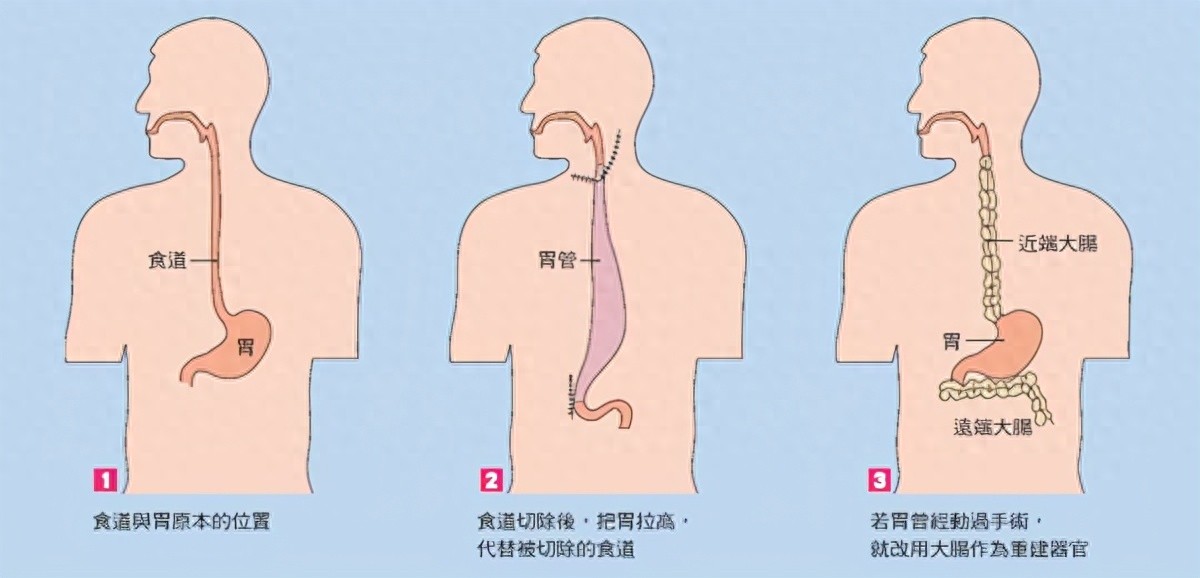
When esophageal mucosal cancer occurs, it subsequently invades the esophageal submucosa and muscular layer. Although lymph node metastasis occurs first, esophageal cancer also spreads to almost any other part of the body, including the liver, lungs, brain, and bones. The etiology of esophageal cancer is believed to be related to contact with harmful or toxic stimuli to the esophageal mucosa, leading to a series of carcinomas in situ and invasive cancers.
Some man-made factors leading to esophageal cancer include: smoking; alcohol consumption; drinking very hot beverages, such as tea; deficiencies in β-carotene, vitamins A, C, and B, magnesium, and zinc; poor oral hygiene; protease inhibitor abuse; high-level exposure to asbestos; tylosis palmaris and plantaris; swallowing lye or other corrosive substances, etc. A recent survey reported that the high incidence of esophageal cancer in Taiwan and India may be related to betel nut chewing as a major independent risk factor.

Traditional cancer treatments, such as chemotherapy and radiotherapy, have shown certain effectiveness in reducing or eradicating cancer. However, they can also cause unpleasant side effects, such as nausea, vomiting, changes in bowel habits, fatigue, and hair loss. Traditional Chinese Medicine (TCM) is increasingly being used as an adjunct therapy for cancer patients to help reduce or control the side effects of conventional cancer treatments. It has been reported that Chinese herbal medicines such as Ginkgo biloba have chemopreventive effects against certain cancers like ovarian cancer, breast cancer, and brain cancer. Acupuncture is being employed to alleviate the side effects of conventional cancer treatments. While some laboratory and clinical studies have found that acupuncture may enhance immunity in cancer patients, most clinical research focuses on symptom management, particularly for chemotherapy-induced nausea and vomiting.
TCM is based on the principle of treating the root cause of disease rather than just addressing the symptoms. TCM can be described as a holistic approach that aims to balance all aspects of the mind, body, spirit, and emotions. This allows patients to receive treatment in a better psychological state.