Pathogenesis of Tumors in Traditional Chinese Medicine: Internal Accumulation of Heat Toxins and Deficiency of Righteous Qi
With the increasing incidence of cancer year by year, this disease has become one of the most prominent health issues affecting humanity globally. According to the World Health Organization report, approximately 780,000 new cases of liver cancer were reported worldwide in 2012. The incidence rate was 10.1 per 100,000 people, and the mortality rate was 5.1 per 100,000 people, ranking second among deaths caused by cancer.
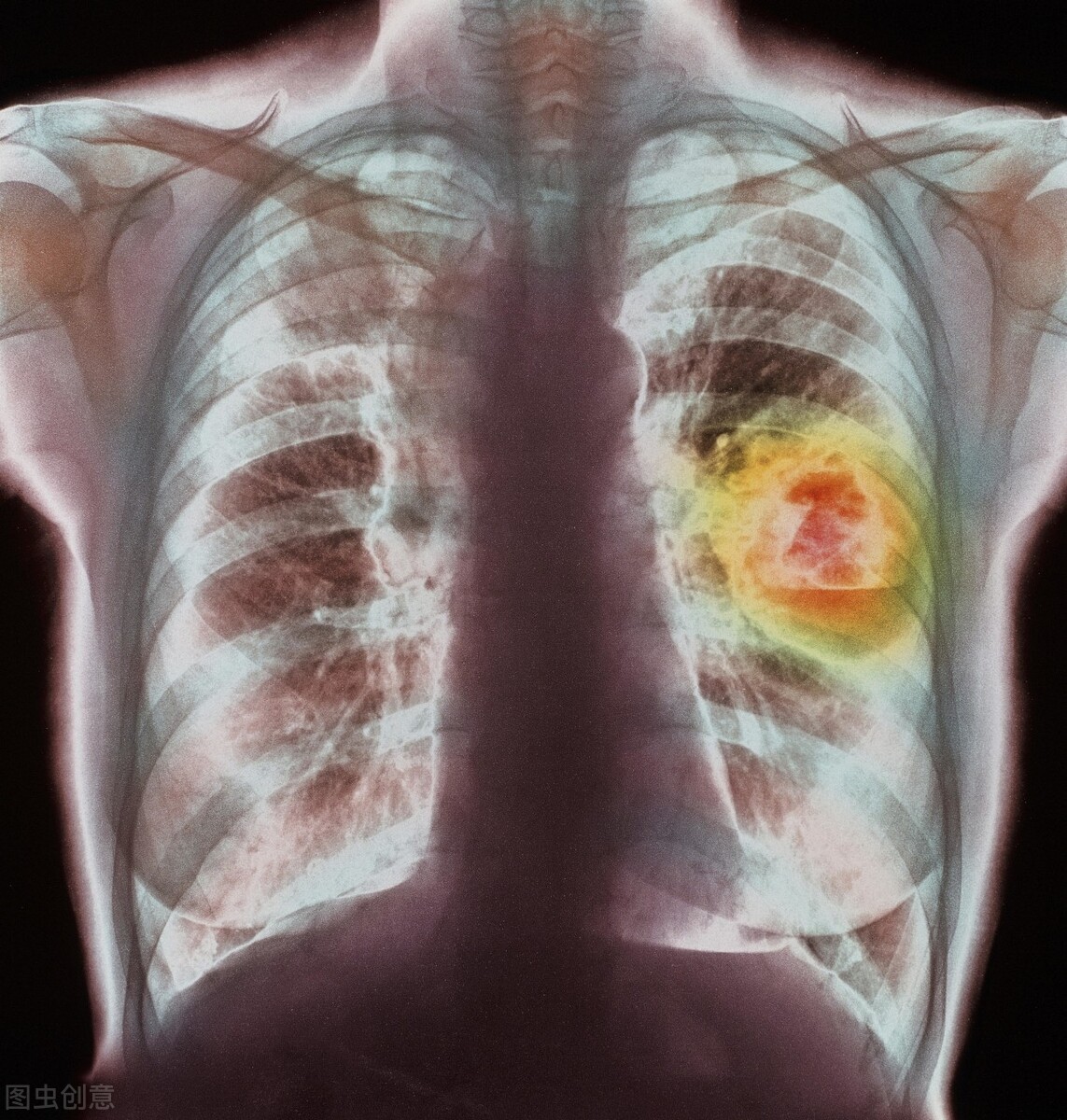
Currently, there are three treatment methods for cancer: Western medical treatment, Traditional Chinese Medicine treatment, and integrated Chinese and Western medicine treatment (i.e., Traditional Chinese Medicine as adjuvant therapy). Many cancer patients undergoing Western medical treatment also seek and use Traditional Chinese Medicine as adjuvant therapy. The proportion of liver cancer patients using Traditional Chinese Medicine for treatment in the Chinese region is on an upward trend. Studies have shown that after cancer patients receive Traditional Chinese Medicine treatment, their overall quality of life and physical function significantly improve. Additionally, adjuvant Traditional Chinese Medicine treatment can significantly increase the survival rate and prognosis of liver cancer patients. Compared to women, men have a higher mortality rate from liver cancer, and the risk increases with age. Furthermore, lower socioeconomic status or family income, severity of complications, and the stage of liver cancer all increase the risk of death. Other relevant factors affecting the survival rate of cancer patients include characteristics of medical institutions, the volume of services provided by doctors, and the age of the doctors. Previous research has already shown that adjuvant Traditional Chinese Medicine treatment can significantly improve the survival rate of cancer patients (such as breast cancer patients and lung cancer patients).
Liver cancer is one of the most common solid malignant tumors clinically. Due to its insidious onset, rapid progression, high malignancy, tendency for metastasis and recurrence, short survival period, and difficulty in treatment, it is a disease with high mortality rates worldwide. Currently, the primary treatment for liver cancer remains surgery, and 40% of liver cancer patients can benefit from surgical treatment. However, a significant number of patients are unable to undergo surgical resection due to various reasons such as physical condition, liver function, tumor location and size, cirrhosis, severe jaundice, or ascites. Additionally, the recurrence rate among patients treated with surgical resection is approximately 40%-60%. Invasive treatment methods have yet to effectively combat liver cancer, and currently used anti-cancer chemotherapy drugs have not achieved the expected efficacy. At the same time, any radiotherapy or chemotherapy regimen is accompanied by significant toxic side effects, leading many patients to discontinue and abandon treatment. Traditional Chinese medicine (TCM) syndrome differentiation and treatment, while demonstrating certain efficacy and unique advantages in the treatment of liver cancer, faces challenges due to the complex and variable pathogenesis and clinical manifestations of the disease. Syndrome differentiation and treatment represent the theoretical core of TCM.
TCM believes that "heat toxin" is one of the causes of tumor formation. Clinical observations and pharmacological studies also indicate that heat-clearing and detoxifying drugs possess certain anti-cancer activity. Chaihu Qinggan Tang (Bupleurum Liver-Clearing Decoction), Yinchen Wuling San (Capillaris and Five-Ingredient Powder with Poria), Yinchenhao Tang (Capillaris Decoction), Qinggan Kangai Fang (Liver-Clearing Anti-Cancer Formula), among others, are commonly used foundational formulas in TCM for treating liver cancer.