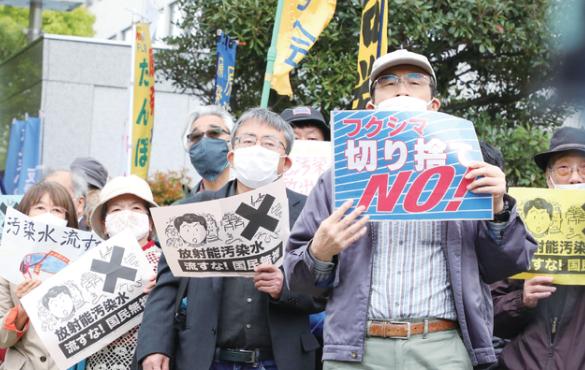
Cancer, Leukemia - Is That All Japan's Nuclear Wastewater Brings Us?
In Episode 12 of "Ultraman Tiga," a member of the Victory Team says by the sea: "The ocean belongs to all of us. No matter what, we must not let the sea be polluted."
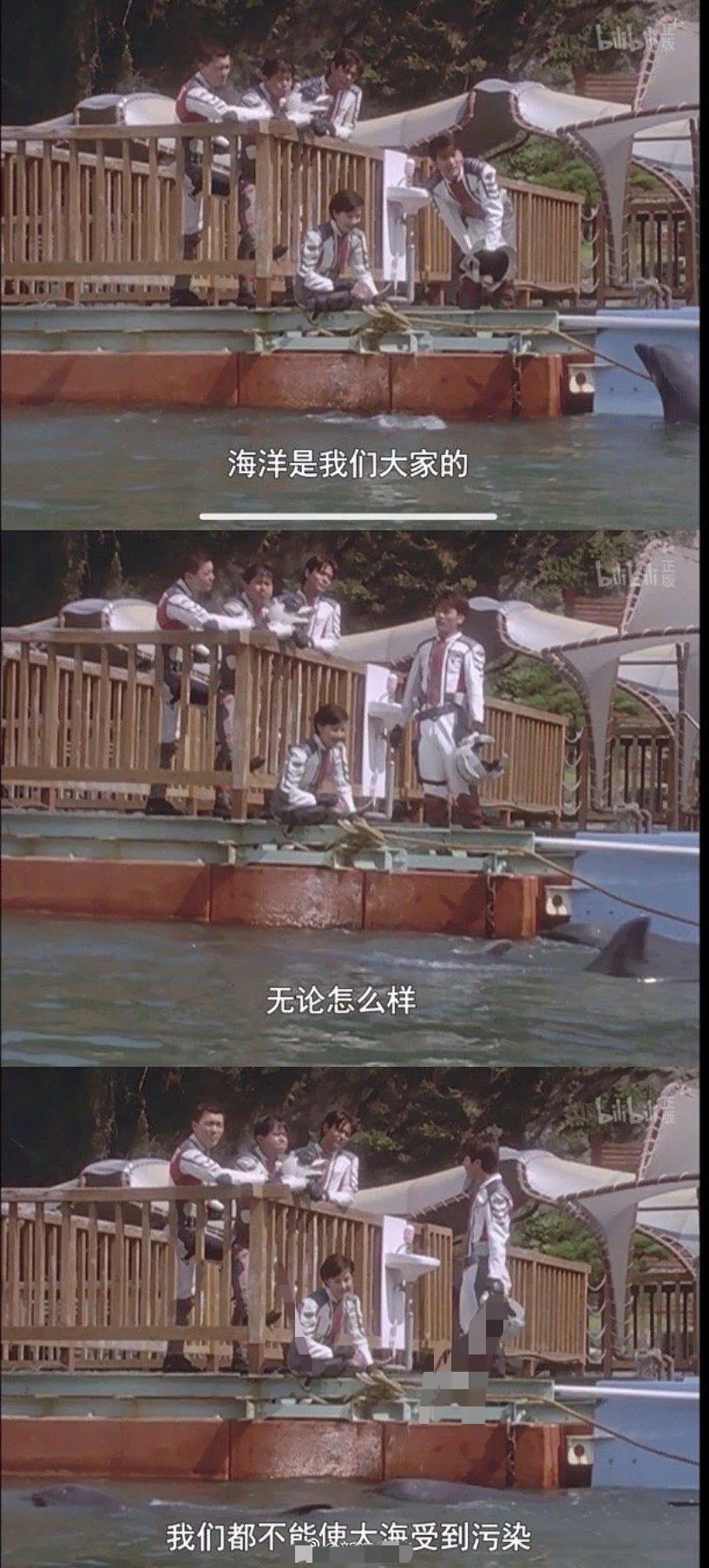
However, on April 13, the Japanese government held a meeting and decided to discharge diluted wastewater into the sea after the Fukushima nuclear wastewater storage tanks reach their peak capacity within the next two years. The announcement has sparked worldwide outrage.
I. Fukushima Nuclear Accident
The Fukushima nuclear accident in Japan began on March 11, 2011, when a 9.0-magnitude earthquake struck the northeastern Pacific region of Japan. The earthquake triggered a tsunami, severely impacting the Fukushima nuclear power plant and causing the leakage of radioactive materials into the environment. During this accident, a hydrogen explosion occurred in Unit 1 of the Fukushima nuclear power plant. After 66 years, a nuclear mushroom cloud once again appeared over Japan.
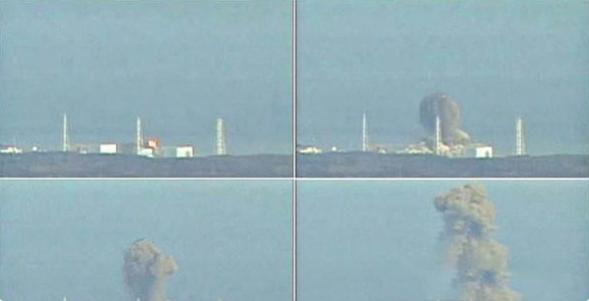
This nuclear accident was classified as the highest level of nuclear accident, Level 7, the same as the Chernobyl nuclear accident.
After the accident, iodine-131 levels exceeding safe limits were detected at 18 water purification plants in Tokyo and five other prefectures in Japan. By July 2011, radioactive contamination was detected in many food items, including spinach, tea leaves, milk, fish, shrimp, and beef, within a 320-kilometer radius. Even as far as northeastern Heilongjiang Province in China, trace amounts of the artificial radioactive nuclide iodine-131 were detected in the air.
II. "Nuclear" Fear
Humanity's fear of "nuclear" originated from World War II. On August 6 and August 9, 1945, the United States dropped atomic bombs codenamed "Little Boy" and "Fat Man" on Hiroshima and Nagasaki, Japan, prompting Japan's surrender. Since then, the power of nuclear weapons has been known to the world.
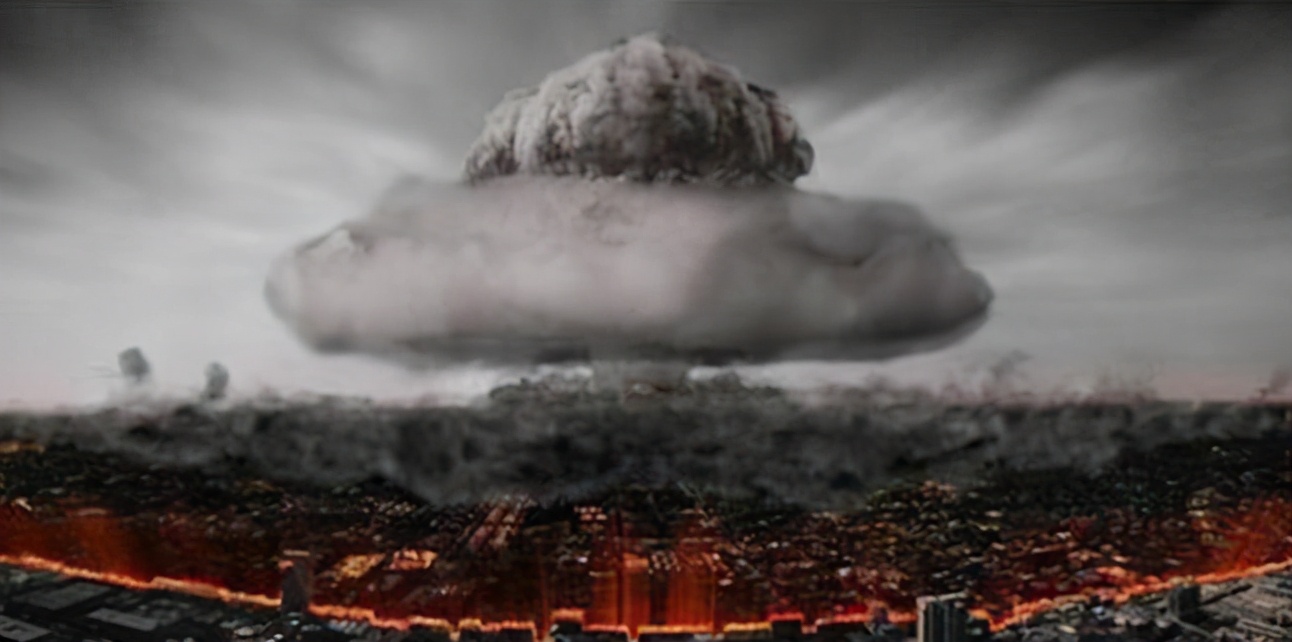
However, the utilization of nuclear technology by humans extends beyond weaponry; it also holds significant importance in energy, medicine, and industry. Notably, an interesting instance occurred in 1965 with a Soviet nuclear test.
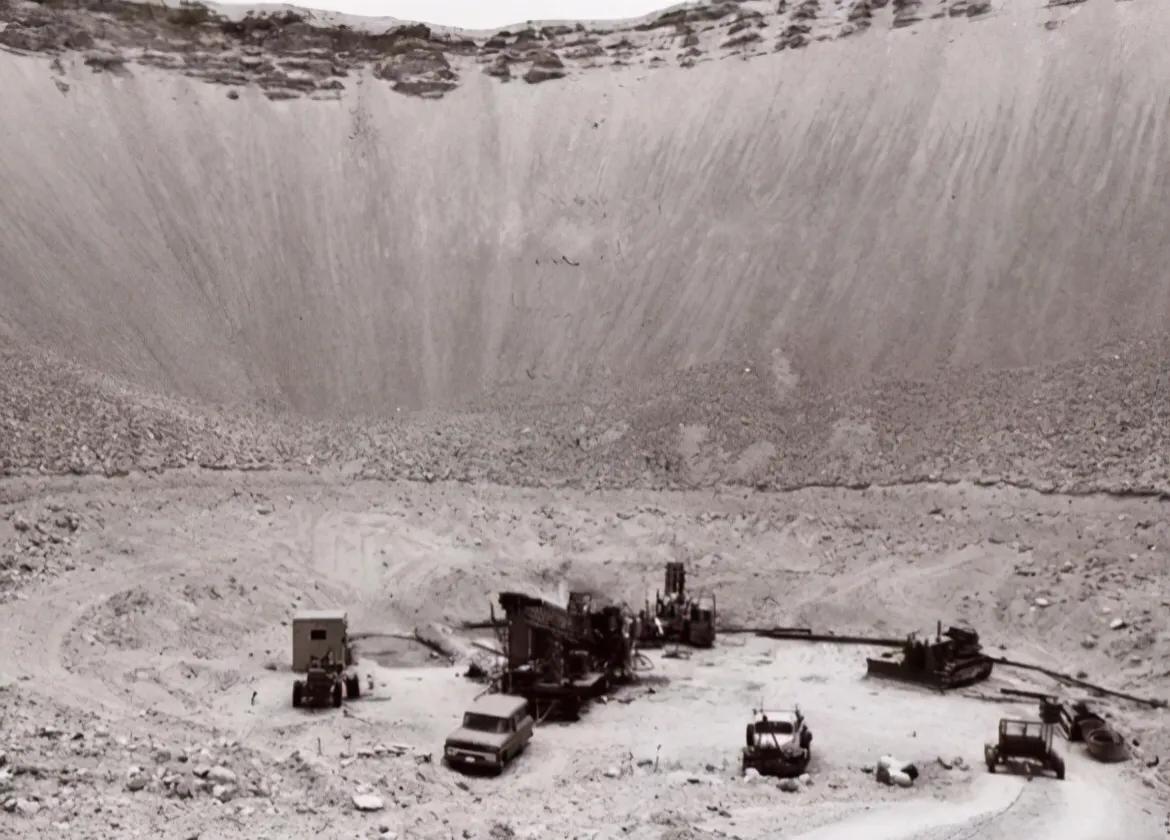
In 1965, to demonstrate the immense destructive power of nuclear bombs, the Soviet Union detonated a 140,000-ton TNT-equivalent nuclear bomb on the Chagan River floodplain in Semipalatinsk Oblast, creating a crater over a hundred meters deep. However, the experiment was merely incidental; the Soviet Union's primary goal was actually to build a reservoir.
Of course, the reservoir needed to be used once it was completed, but could a reservoir created by a nuclear bomb explosion be usable?
After the reservoir was built, Yefim Pavlovich Slavsky (1898–1991), then head of the Soviet Atomic Energy Authority, directly jumped into the reservoir to swim, effectively silencing American experts.
Ironically, in September of last year, when Japanese Prime Minister Yoshihide Suga inspected the Fukushima Daiichi Nuclear Power Plant, he asked Tokyo Electric Power Company (TEPCO) employees: "Can the treated nuclear wastewater be consumed?" Upon receiving the reply that "it would be drinkable if diluted," Suga hesitated and ultimately did not dare to drink it.
Recently, Japan's Chief Cabinet Secretary Katsunobu Kato responded to the "not drinking nuclear wastewater" question by emphasizing that the radiation level of the wastewater Japan is about to discharge is one-seventh of the WHO drinking water standard, and stated that even drinking the nuclear wastewater cannot scientifically prove its safety.
3. What exactly is in Japan's nuclear wastewater?
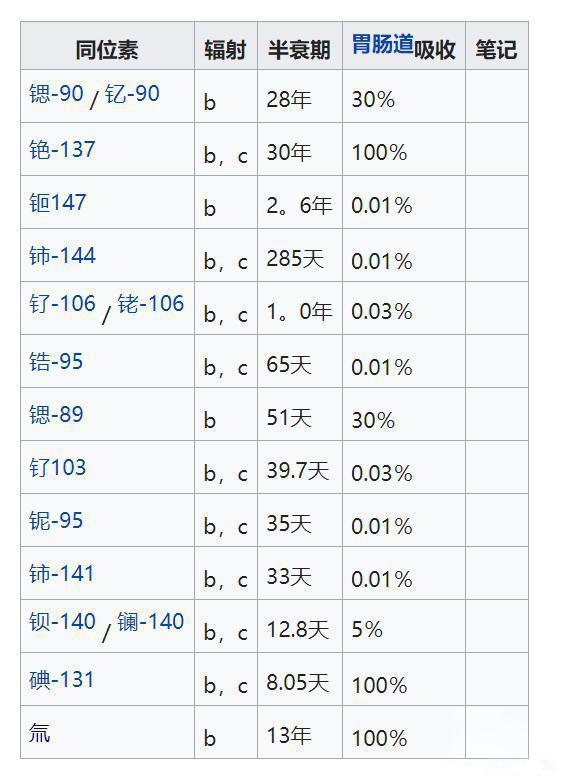
The nuclear wastewater mainly contains strontium-89, strontium-90, cesium-137, iodine-131, carbon-14, plutonium-239, and radioactive tritium, among others. Even after "filtering" treatment, the nuclear wastewater still contains residual radioactive substances such as tritium, carbon-14, cobalt-60, and strontium-90, which are difficult to completely remove.
Tokyo Electric Power Company (TEPCO) has stated that after treatment, most radioactive elements in the nuclear wastewater, except for tritium, can be removed, and the tritium concentration will be diluted to 1/40 of Japan's national standard.
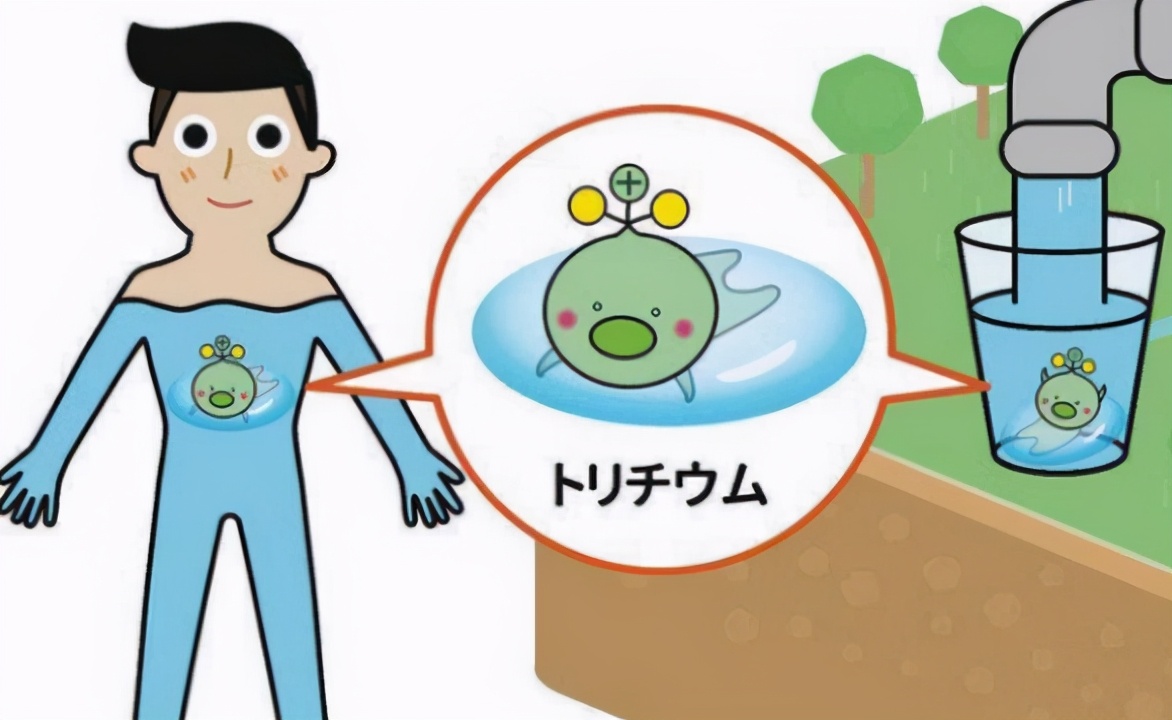
In light of this, the Japanese government even launched a "radioactive tritium" mascot, specifically creating promotional posters and videos for the "tritium mascot." However, due to widespread opposition and numerous complaints, the Reconstruction Agency of Japan was forced to announce the temporary removal of the "tritium mascot" just one day later, stating that it would "revise the design in response to public feedback."
The International Atomic Energy Agency (IAEA) stated in the "Fukushima Daiichi Nuclear Power Plant Accident" report: "This water is treated to remove radionuclides except for tritium, which cannot be removed."
What are the impacts of nuclear wastewater on the human body?
First, let’s talk about "tritium." Tritium is one of the isotopes of hydrogen, also known as superheavy hydrogen, with a half-life of 12.34 years. It is generally obtained through nuclear reactions and exists in extremely small amounts in nature. Tritium is primarily used in the production of thermonuclear weapons and serves as a material for manufacturing hydrogen bombs.
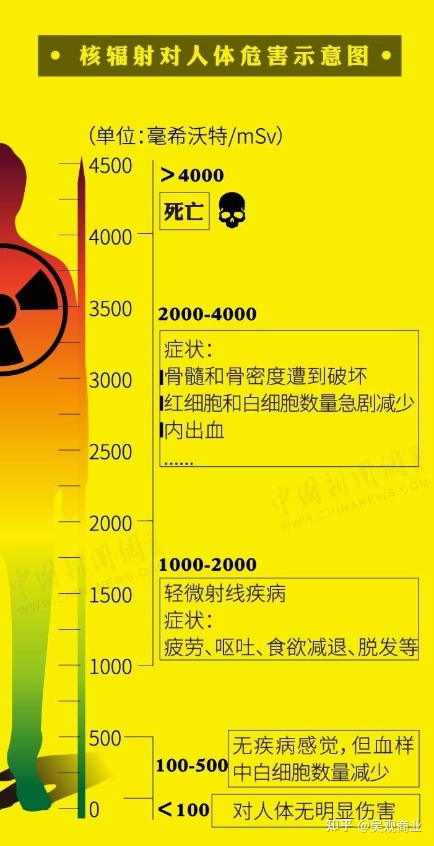
Tritium only emits high-speed electrons and does not penetrate the human body, so it only becomes harmful when inhaled in large quantities. However, it is important to note that tritium-labeled substances, due to their biological activity, can be used in cellular metabolism, causing direct harm and severely endangering the health of those who inhale them.
In addition to tritium, nuclear wastewater may also contain other radioactive substances that are difficult to completely remove. Some of these have minimal effects on the human body, while others are very easily absorbed by it.
When plants and animals are contaminated with radioactive substances, genetic mutations may occur, which can be fatal in severe cases. We may have seen on television that plants and animals exposed to radioactive contamination exhibit deformities, which is a manifestation of genetic mutations. Additionally, many blood diseases and malignant tumors are associated with genetic mutations.
Following the nuclear accident, Fukushima Prefecture conducted thyroid examinations for all children in the prefecture, totaling approximately 380,000 people. As of February 2018, 159 individuals were diagnosed with cancer, and 34 were suspected of having cancer. Among the 84 patients in Fukushima Prefecture who were diagnosed with thyroid cancer and underwent surgery, 8 experienced cancer recurrence and underwent surgery again.
5. Opposition and Support
On April 4, 2011, Tokyo Electric Power Company had already discharged 11,500 tons of low-level radioactive wastewater into the ocean. Former Chief Cabinet Secretary Yukio Edano stated at the time that this action was taken as a "last resort."
Tokyo Electric Power Company had claimed that they had filtered this nuclear wastewater to remove highly radioactive substances such as strontium and cesium, leaving behind the relatively difficult-to-remove tritium. However, in 2018, under pressure from fishermen and others, TEPCO was forced to admit that the wastewater contained not only tritium but also other radioactive materials.
On September 16, 2019, during the International Atomic Energy Agency's General Conference in Vienna, South Korean official Moon Mi-ok stated, "The management of Fukushima's nuclear wastewater is no longer just a domestic issue for Japan; it is a serious international problem affecting the global marine environment."
However, the United States expressed support for Japan's actions. U.S. State Department spokesperson Ned Price stated that this move complies with global standards.
Countries such as the United States and Europe also generate a significant amount of nuclear waste, and they have likewise chosen to discharge it into the ocean, considering it a simple and cost-effective disposal method. Since they have done the same, they naturally cannot stand up to criticize others for it.
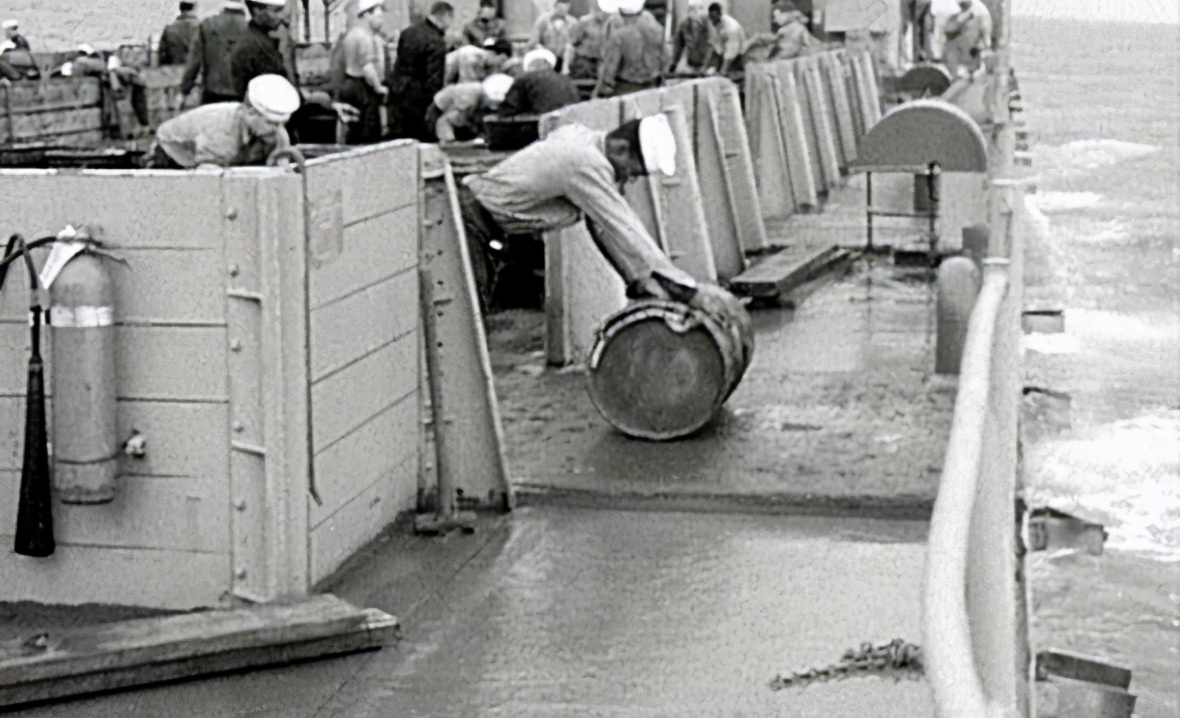
It is worth noting that shortly after the United States expressed support for Japan's decision to discharge nuclear-contaminated water into the sea, the U.S. Food and Drug Administration promptly issued a warning regarding the ban on imports of Japanese food products.
VI. Conclusion
In 2020, a Japanese film based on true events, "The Fukushima 50," was released. It depicted the "heroic deeds" of frontline workers who risked their lives to remain at the accident site after the Fukushima nuclear power plant was hit by an earthquake and tsunami.
However, to this day, no one knows the names of these 50 individuals. The Tokyo Electric Power Company has refused to disclose any information about these 50 "heroes," citing privacy concerns.
At the end of the film, it was mentioned: "The Tokyo Olympic and Paralympic Games are themed 'Reconstruction,' and the Olympic torch will begin its journey from Fukushima."
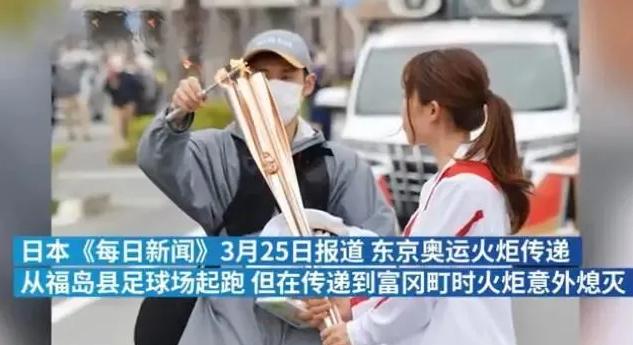
However, the Olympic torch that set off from Fukushima extinguished midway on the very same day..
Regarding the Japanese government's decision to discharge nuclear-contaminated water from the Fukushima Daiichi Nuclear Power Plant into the sea, multiple parties have expressed doubts and opposition. Several Japanese environmental organizations and citizen groups recently submitted petitions to the Japanese government opposing this decision, with signatures totaling approximately 64,000 individuals from 88 countries and regions, including Japan.
In response, Japan has stated that it will work to address the concerns of neighboring countries and ensure the safe discharge of the nuclear-contaminated water into the sea.