How Should Brain Metastases Be Treated?
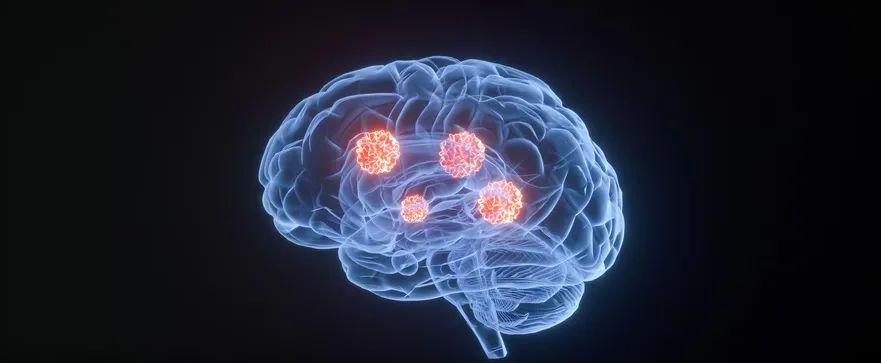
Brain metastases are relatively common intracranial tumors. Unlike primary intracranial tumors, brain metastases are considered distant metastases and are clinically classified as stage IV.
I. Case Study
Mr. Liu, a lung cancer patient under forty, was diagnosed with lung cancer a year ago and underwent surgery with complete tumor resection. A follow-up examination six months later revealed recurrence, with metastases to the hilar and mediastinal lymph nodes. After four cycles of chemotherapy, the tumor was somewhat controlled, but he could not tolerate the treatment, so chemotherapy was temporarily suspended.
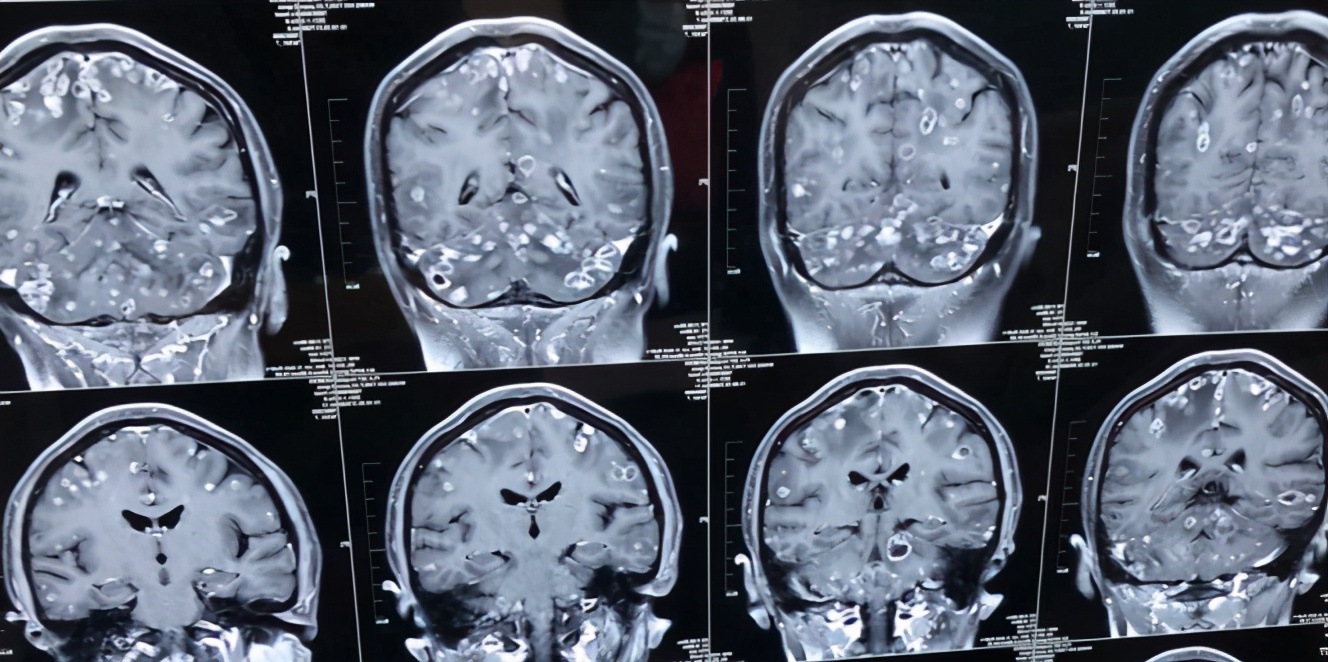
Three months ago, Mr. Liu suddenly experienced dizziness and headaches and came to the hospital for consultation. After examination, a head CT scan was recommended. The results showed multiple space-occupying lesions in the brain, suggestive of metastatic tumors.
Considering Mr. Liu’s physical condition, we suggested systemic chemotherapy combined with cranial radiation therapy, along with traditional Chinese medicine to alleviate adverse effects. Mr. Liu was initially reluctant to undergo chemotherapy and requested traditional Chinese medicine treatment only. After patient persuasion, he agreed to give the combined approach a try.
Subsequently, Mr. Liu received two cycles of chemotherapy interspersed with several radiation therapy sessions. His dizziness and headaches were relieved, and previous discomforts such as cough, poor appetite, and constipation also improved to varying degrees. No other adverse symptoms occurred, and his physical strength remained relatively good.
Follow-up examination shows that the lung tumor has shrunk, lymphatic metastasis has improved compared to before, some smaller brain lesions have disappeared, and other lesions show no enlargement. A comprehensive assessment indicates good therapeutic efficacy, and it is recommended to continue the current treatment regimen.
II. Western Medical Treatment Methods
For patients with brain metastases, a comprehensive treatment approach is generally recommended, which includes surgery, radiotherapy, chemotherapy, targeted therapy, traditional Chinese medicine, and other treatments.
1. Surgery
Surgical treatment is suitable for patients with small lesions, few metastases, and metastatic foci located in non-functional areas. If the metastatic foci are less than 3 cm in size or there are no significant symptoms, surgery may not be necessary initially. However, for tumors that are not sensitive to radiotherapy, such as brain metastases from colon cancer, surgery should be the preferred option whenever possible.
2. Radiation Therapy
Radiotherapy plays an important role in the treatment of brain tumors. Both single and multiple, localized and diffuse brain metastases can be treated with radiotherapy.
3. Chemotherapy
If chemotherapy is targeted at brain metastases, drugs with low toxicity, small molecular size, high lipid solubility, and good ability to cross the blood-brain barrier should be selected. Typically, treatment plans for brain metastases focus on surgery and radiotherapy, while chemotherapy is primarily used to target the primary tumor and other metastatic lesions.
4. Targeted
Targeted therapy is a "lifeline" for many patients with malignant tumors, and some patients with brain metastases also respond well. The selection of targeted drugs requires relevant testing before they can be applied. Upon our recommendation, Mr. Liu underwent genetic testing, and the results showed that a targeted drug was available. In his subsequent treatment plan, targeted medication has already been incorporated.
III. Traditional Chinese Medicine Treatment
According to Traditional Chinese Medicine, the occurrence of brain metastases is attributed to spleen-kidney yang deficiency or liver-kidney yin deficiency, leading to upward invasion of pathogenic factors and obstruction of brain collaterals by phlegm-dampness and stasis toxins. TCM employs different treatment approaches based on distinct etiologies and syndromes. For example, in cases of internal stirring of liver wind, the treatment aims to nourish yin, subdue yang, calm the liver, and extinguish wind. For spleen-kidney yang deficiency, warming the kidneys, strengthening the spleen, replenishing the brain, and filling the marrow are adopted. For internal obstruction by phlegm-dampness, methods to eliminate dampness, unblock collaterals, dispel phlegm, and open the orifices are applied, among others.
In addition to treating brain metastases, Traditional Chinese Medicine also needs to address the primary disease, achieving both systemic and local treatment while balancing internal and external factors.
Additionally, another advantage of Traditional Chinese Medicine (TCM) and herbal medicine is that it can be combined with Western medical treatments. Different herbal formulas can be administered at various stages, such as surgery, radiotherapy, or chemotherapy, to alleviate side effects and enhance therapeutic outcomes. In Mr. Liu's treatment process, TCM played such a role, with remarkable results.
IV. Prognosis
Due to the complexity of the condition and the advanced stage of the disease, brain metastases generally have a poor prognosis. Without treatment, most patients may die within months or even weeks. However, appropriate treatment can extend the patient's survival period, and some patients may achieve long-term survival.
Because brain metastases cause significant damage to the brain, treatments such as surgery and radiotherapy can also affect brain tissue, often leading to sequelae. These may include limb symptoms, sensory disturbances, hemiplegia, weakness, as well as changes in mental state, emotions, or even personality in some patients.
The brain is a common site of metastasis for malignant tumors such as lung cancer, breast cancer, and melanoma. Therefore, patients with malignant tumors should undergo regular brain examinations to prevent the occurrence of brain metastases.