Fearful of Colonoscopy? This Test Detects Colorectal Cancer from "Stool"
Colorectal cancer has become a highly prevalent malignant tumor of the digestive tract in recent years, with its incidence rate second only to stomach cancer. Moreover, due to factors such as the gradual aging of the population in China, increased average life expectancy, and changes in dietary habits, the incidence of colorectal cancer continues to rise, even showing a trend of affecting younger individuals. It is not uncommon for young and middle-aged individuals to develop colorectal cancer!

In stark contrast to the high incidence rate of colorectal cancer is its remarkably low early diagnosis rate. Most colorectal cancer patients are diagnosed only after experiencing more severe symptoms, often discovered following an intestinal obstruction. By this time, the cancer has typically progressed to the middle to late or advanced stages, significantly reducing the patient's prognosis. The five-year survival rate at this stage is less than 10%!
The low early diagnosis rate of colorectal cancer is related not only to the characteristics of the cancer itself but also to people's fear of colonoscopy.
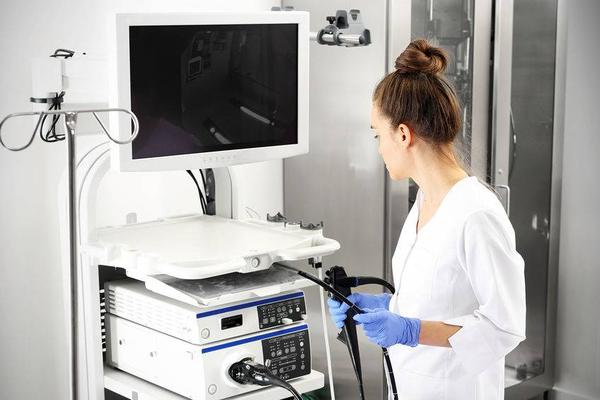
Colonoscopy screening is the most direct method to understand intestinal health. For individuals with abnormal symptoms (blood in stool, irregular bowel habits), a family history of colorectal cancer or polyps, chronic intestinal diseases, or those aged 50 and above, regular colonoscopy is highly necessary. However, many people instinctively refuse colonoscopy screening upon hearing about it.
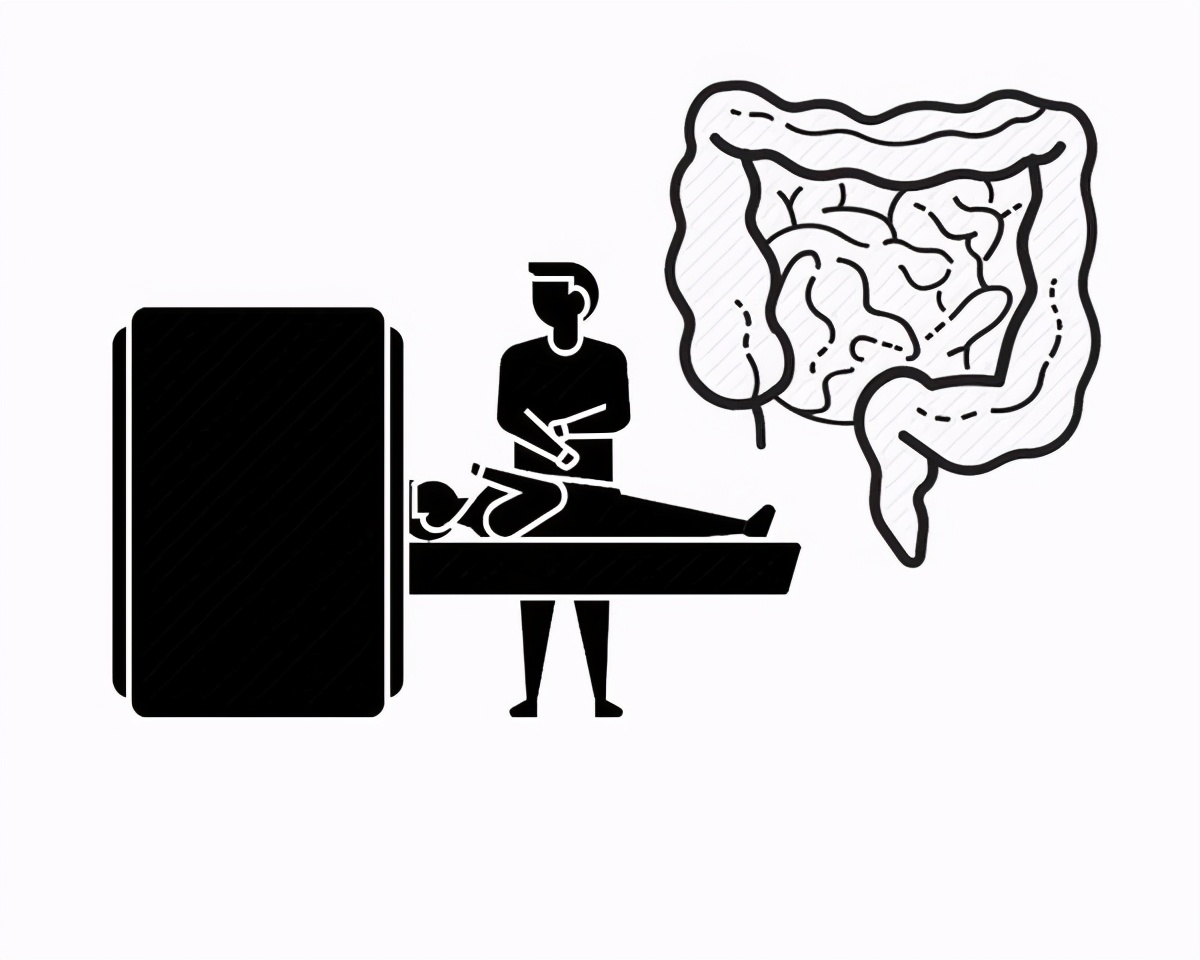
Because colonoscopy screening requires exposing private areas, it can cause feelings of embarrassment and discomfort. Additionally, some people who have undergone colonoscopy share exaggerated accounts of pain during the procedure online, making pain the primary reason for people's fear. Some colorectal cancer patients have even missed the optimal time for diagnosis due to this inner panic.
However, some cutting-edge technologies developed and applied in clinical settings in recent years may help you avoid colonoscopy screening while providing a preliminary assessment of intestinal health. This innovative technology is: fecal DNA testing!
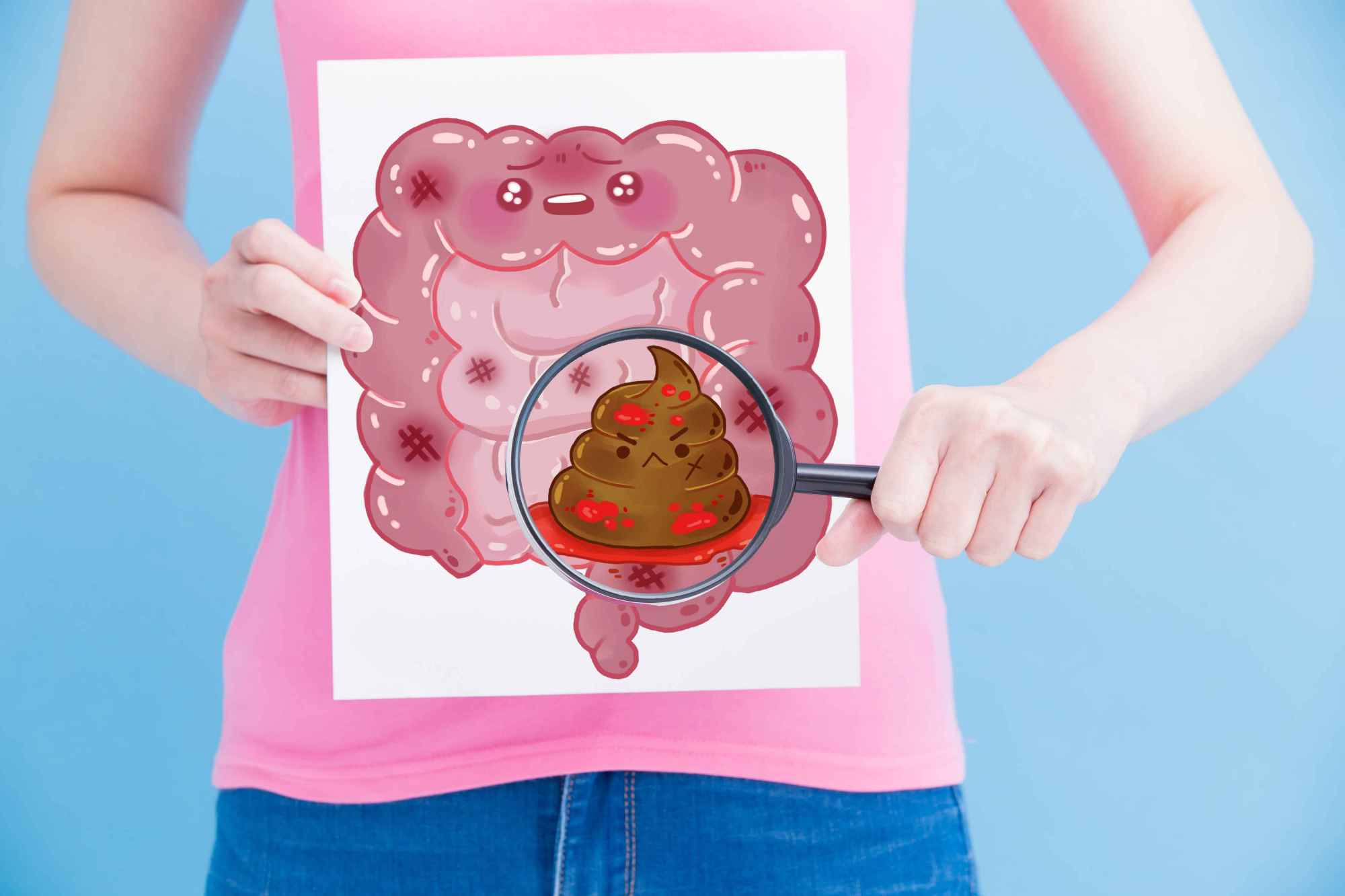
Data surveys show that the early diagnosis rate for colorectal cancer in the United States has reached over 30%, while in China it is only 10%. The reasons for this disparity are related to the factors mentioned above, such as the insidious nature of symptoms, fear of colonoscopy, and the fact that colonoscopy is not included in routine examinations. The advent of fecal DNA testing has provided a new alternative for those who are unwilling to undergo colonoscopy!
This testing technology was developed by a research team from the Sixth Affiliated Hospital of Sun Yat-sen University. In October of last year, the first fecal gene testing kit suitable for detecting colorectal cancer in Chinese people was introduced. This technology achieves a sensitivity of approximately 91% for detecting stage 1 and 2 colorectal cancers, and also demonstrates a sensitivity of over 64% for detecting precancerous adenomas.
This data has reached internationally leading standards, marking a significant technological advancement and milestone in the detection and diagnosis of colorectal cancer in China!

The reason fecal DNA testing can detect colorectal cancer is that during the continuous growth of cancerous tumors, due to the relatively loose structure of cancer cells and the absence of a membrane covering their surface, cancer cells may shed into the intestinal lumen and be excreted from the body along with feces. Cancer cells harbor specific genes, and by collecting 4.5 grams of feces and extracting the DNA components, it is possible to determine whether the individual has colorectal cancer or precancerous lesions!
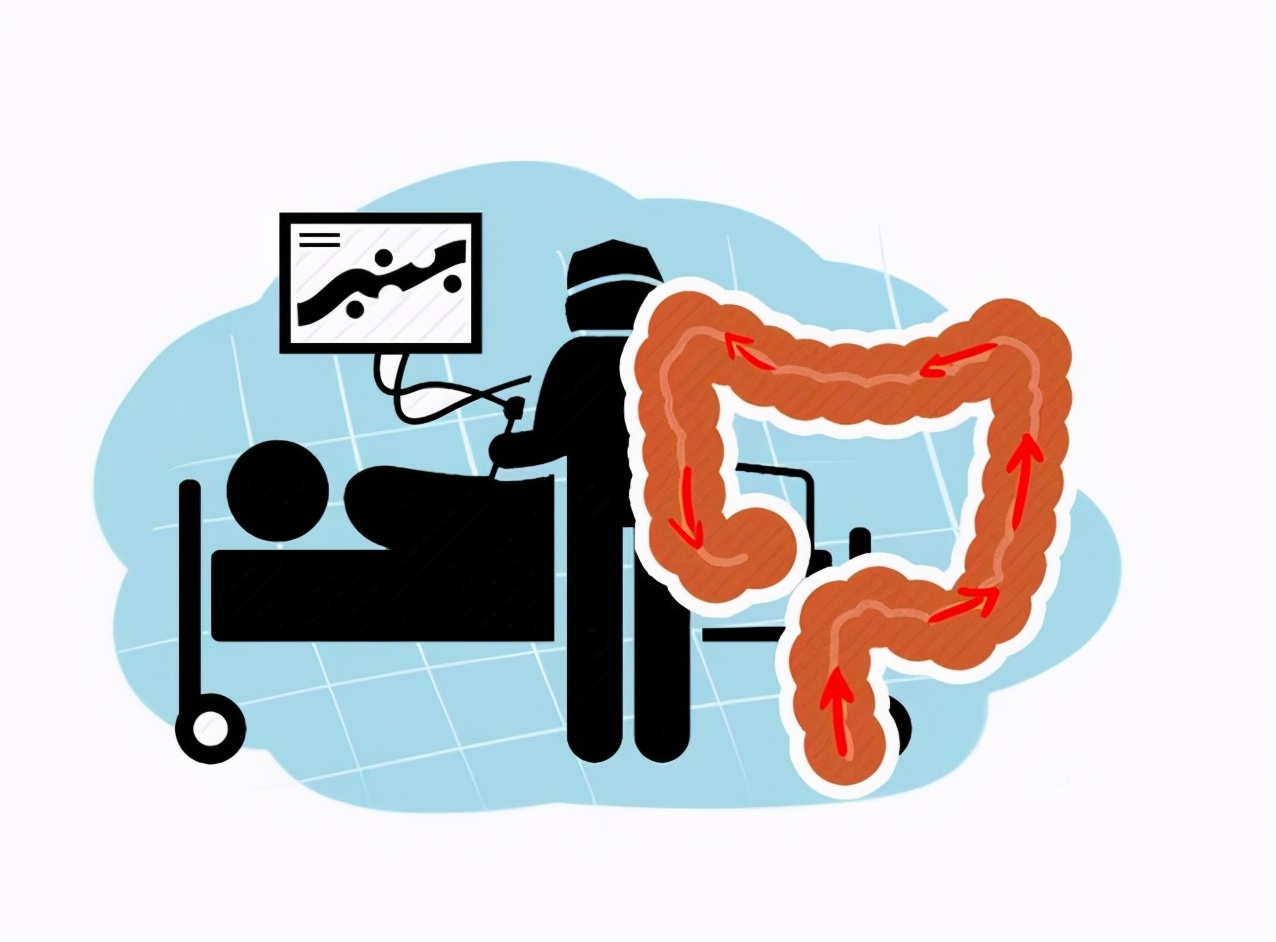
However, it is important to note that stool DNA testing is merely an auxiliary diagnostic method. If no abnormalities are detected in the test, the doctor will determine whether a colonoscopy screening is necessary based on individual symptoms, personal or family medical history, age, and other factors, and will also decide when the next stool DNA test should be scheduled. On the other hand, if the test result is positive, a colonoscopy screening should be performed regardless of the presence of symptoms or family medical history!