Cancer in the Body, Hands and Feet as Early Indicators? 4 "Changes" in Hands and Feet May Signal Liver Cancer
The liver has a strong compensatory ability, maintaining its normal function even when more than 30% is damaged. It is said that "the feet connect to the five viscera and link the six bowels," meaning that the health of the body can be observed through the feet. The hands and feet are the extremities of the body, and when liver cancer cells are present, noticeable symptoms may appear in these areas. Check if you have any of the following signs.
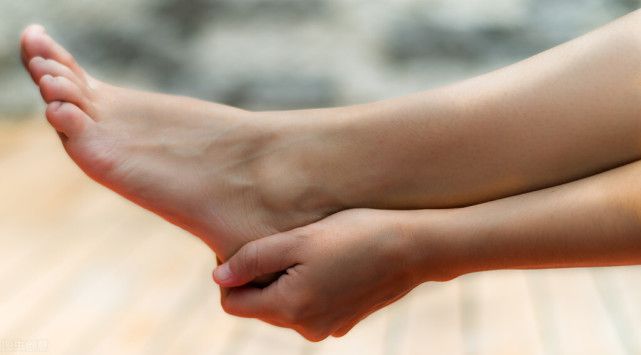
What changes in the hands and feet might indicate the onset of liver cancer?
1. Yellowish Nails
Typically, nails appear pink with a hint of white. However, in cases of liver cancer, some liver cells die and cannot metabolize bilirubin normally. Bilirubin then flows backward into the bloodstream and travels to the fingertips via circulation, causing the nails to turn yellow. This issue is commonly seen in gallbladder diseases or cirrhosis.

2. Liver Palms
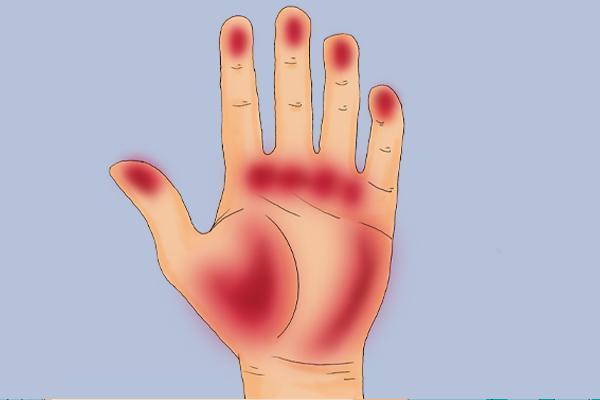
Liver palms are a typical symptom of chronic liver diseases, such as cirrhosis and liver cancer. In affected individuals, the skin on the thenar and hypothenar eminences of both hands, as well as the fingertips, becomes reddened, while the center of the palm remains pale. A noticeable color contrast is observed. When pressure is applied to the thenar and hypothenar areas, they turn white and quickly return to red upon release, without any tenderness.

3. Itchy and peeling skin on the feet
Liver cancer can cause endocrine imbalance, resulting in abnormally dry skin. Additionally, when there is an excessive buildup of bilirubin in the blood, it directly affects the skin, leading to itching. As a result, the skin on the feet may peel and become itchy.
4. Edema in both feet
Liver cancer patients often experience reduced synthesis of albumin in the body, leading to hypoalbuminemia, which causes edema in both feet. This is particularly noticeable in the morning and may not improve regardless of activity.
Friendly Reminder
Prevention is better than cure. Most liver cancer cases develop from hepatitis B or C, so it is important to actively prevent hepatitis viruses and get vaccinated against hepatitis B as early as possible. Avoid unnecessary blood transfusions and blood product infusions, and actively treat chronic hepatitis. With proper medication, hepatitis B virus replication can be suppressed. In daily life, stay away from carcinogenic toxins such as cyanobacterial toxins and aflatoxins, both of which can directly damage liver cells. Avoid eating moldy or spoiled foods, and do not drink water of unknown origin or consume aquatic animals from unsafe sources. Refrain from smoking and drinking, actively manage your weight, and correct unhealthy lifestyle habits.