Rest Is Not the Same as Sleeping In: Uncovering the Twenty-Hour Daily Circadian Rhythm and Teaching You How to Rest
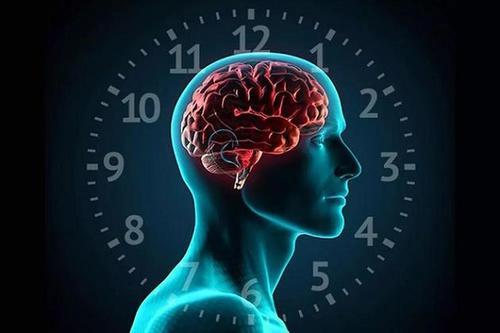
The human body has a strong sense of "timekeeping." The sensitivity of human organs, blood pressure, body temperature, and other factors undergo regular cyclical changes over the course of a day, known as biological rhythms or the circadian clock. Arranging work, study, and rest according to the circadian clock benefits physical health. Planning detoxification measures based on the circadian rhythm can make them more effective, healthier, and safer.
This is the wake-up time, and here are the things you need to do after getting up:
① Drink a glass of warm water. This helps clear accumulated waste and toxins from the body and awakens the digestive system. Drinking a glass of warm water with fresh lemon slices is an even better choice, as warm lemon water is not only the best detox drink but also the best beverage for balancing the body’s pH levels.
② Spend a few minutes in the bathroom. This will help you develop a good habit, as the period from 5:00 AM to 7:00 AM is associated with the large intestine, during which intestinal peristalsis is more active, facilitating the excretion of toxins and waste that have accumulated in the body overnight.
This is the best time to eat breakfast. If you can maintain this schedule daily, the adrenal cortex will activate precisely at 4:00 AM, secreting adrenaline and noradrenaline, naturally preparing the body for the day. This allows the brain and muscles to become active from the morning, ensuring high work efficiency throughout the entire morning.
The best time for sunbathing. The morning sunlight is mainly composed of warm and gentle infrared rays, which is most beneficial for skincare. From 9:00 to 10:00 a.m., there is a higher proportion of beneficial ultraviolet A (UVA) rays, which help convert cholesterol in the skin into more vitamin D. Relevant experimental data show that 30 minutes of sun exposure can increase vitamin D levels in the blood by 30.25 mg, which is sufficient to combat osteoporosis—a common condition among middle-aged and elderly individuals—double the immune system’s effectiveness, and reduce the risk of colon cancer by 50%. This period is also the optimal time for skin hydration.
The best time for studying and working, as well as for reading, relaxing, and contemplation. During this period, the brain is agile, memory is sharp, comprehension is strong, creativity is high, mood is elevated, energy is abundant, lung respiration is smooth, and muscles throughout the body feel comfortable and strong. Around 10:00 is a peak time for memory, as it is approximately two hours before lunch when blood sugar levels are high, the cerebral cortex is well-supplied with energy, and various neurotransmitters related to memory are at their optimal levels. The learning effectiveness during this time is comparable to that between 6:00 and 7:00. Scheduling complex or mentally demanding tasks during this period can yield twice the results with half the effort. Memory-intensive work and study tasks should also be arranged at this time.
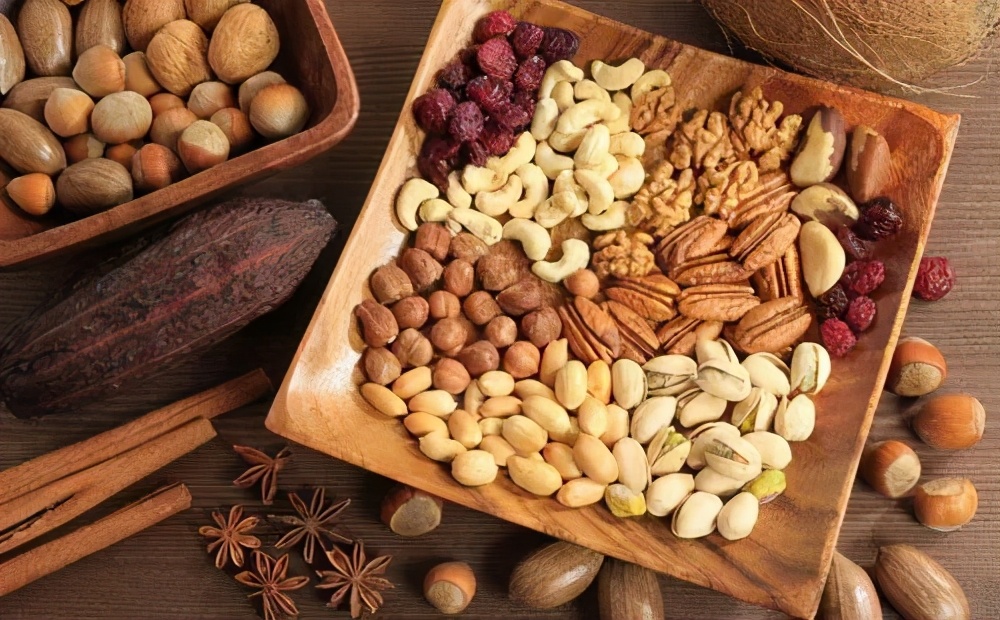
Ensure lunch includes a variety of vitamins and minerals, such as fresh fruits, vegetables, nuts, legumes, and brown rice. Nuts are the best snack for boosting brain energy.
This is the time of day when people are most fatigued. All energy seems to go toward digesting food, adrenaline levels decrease, body temperature begins to drop, and energy and physical strength noticeably decline. Brain memory and thinking abilities are poorer; irritability, low mood, and drowsiness set in. A nap of about half an hour will provide optimal adjustment and help recharge energy. This will enhance endurance for afternoon activities, reaction speed, and physical agility to their best levels, and also has disease-preventing effects.
This time period belongs to the bladder meridian, so it’s important to drink plenty of water to help cleanse the internal organ system. Having a cup of juice or herbal tea, along with some nuts and fruit, is more than appropriate, as this is the time when the body needs sugar the least. These foods not only hydrate but also help stabilize blood sugar levels.
The most suitable time for dinner. If some women enjoy drinking alcohol, they can have a little at this time. Comparatively speaking, alcohol has less negative impact on the body during this period because the digestive system has stored a substantial amount of food, and blood absorbs alcohol much more slowly in the evening than during the day. Eating around 6 p.m. allows digestion to be mostly complete by around 10 p.m. Eating too late can slow down our body's rhythms while speeding up metabolism, which may affect sleep.

Bathing and massage are extremely beneficial for the body; they are not only the best time for cleaning the body but also the ideal time for relaxation. Taking a warm bath before bedtime can relax all the muscles and joints, accelerate blood circulation, and help one fall asleep peacefully.
It's best to go to bed by 10:30 PM, and definitely no later than 11:00 PM, because the body's internal organs begin to rest and adjust after 11:00 PM. 11:00 PM is the optimal time for sleep. If you can't fall asleep right away, that's okay—just relax mentally, and you'll gradually drift off, especially once it becomes a habit. The later you go to bed, the lighter your sleep will be, and the less restful it will be.