Why Should Radiotherapy Be Combined with Traditional Chinese Medicine? Is Traditional Chinese Medicine Effective for Radiotherapy?
Radiotherapy, also known as radiation therapy, is one of the most important treatment methods for malignant tumors. It can control and eliminate local tumors, prevent recurrence and metastasis, and has unique efficacy for certain types of tumors, making it a commonly used clinical treatment for malignant tumors.
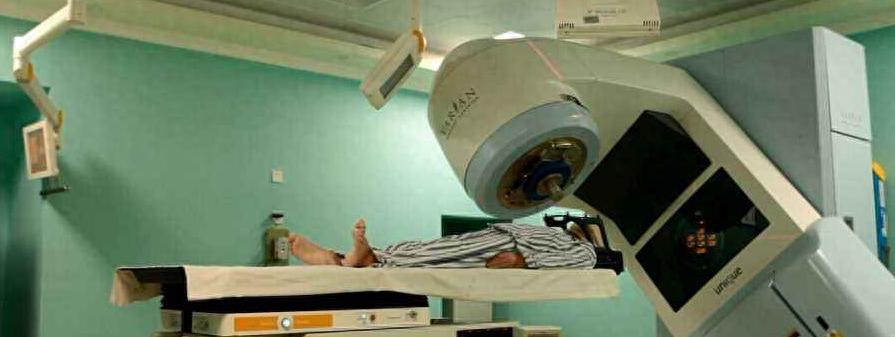
However, radiotherapy can cause local and even systemic side effects and sequelae. Due to the significant nature of these side effects, patients often resist this treatment.
Nowadays, due to the development of integrated traditional Chinese and Western medicine treatments, the therapeutic efficacy of combining traditional Chinese medicine with radiotherapy has gained widespread recognition. In the currently advocated comprehensive treatment plans for malignant tumors, the integration of traditional Chinese medicine with radiotherapy holds a significant position.
I. Side Effects of Radiotherapy
To understand the effects of combining traditional Chinese medicine with radiotherapy, we first need to understand the side effects of radiotherapy.
1. Local Changes
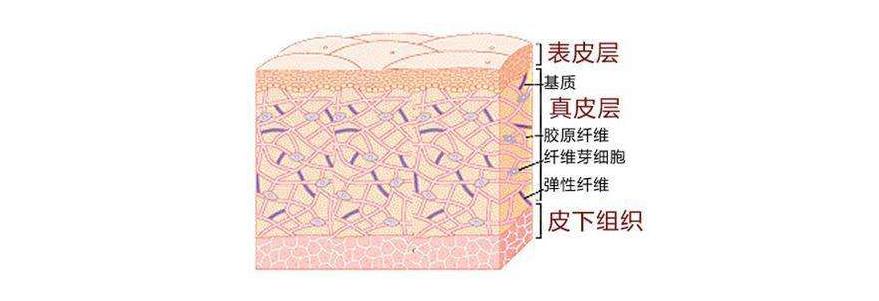
Radiation can cause skin reactions, such as skin damage, pigmentation, desquamation, edema, blisters, and erosion.
2. Radiation-Induced Inflammation
It primarily occurs in areas affected by radiation, such as oral mucositis during radiotherapy for head and neck tumors, radiation pneumonia in lung and esophageal cancer radiotherapy, radiation enteritis in abdominal and pelvic tumor radiotherapy, and radiation dermatitis at the irradiated sites.
Radiation-induced inflammation is a type of aseptic inflammation, which can have a prolonged latent period ranging from several months to several decades and lasts for a long time. Its symptoms are often difficult to completely alleviate.
3. Gastrointestinal Symptoms
Gastrointestinal symptoms are one of the common side effects of radiotherapy, mainly including nausea, vomiting, and anorexia. Most of these symptoms are caused by gastrointestinal dysfunction.

4. Systemic Reactions
Although radiotherapy is a local treatment, it can cause systemic symptoms, such as fever, fatigue, and pain in multiple body parts. It can also lead to changes in blood counts, including reductions in white blood cells, red blood cells, and platelets.
5. Hair Loss
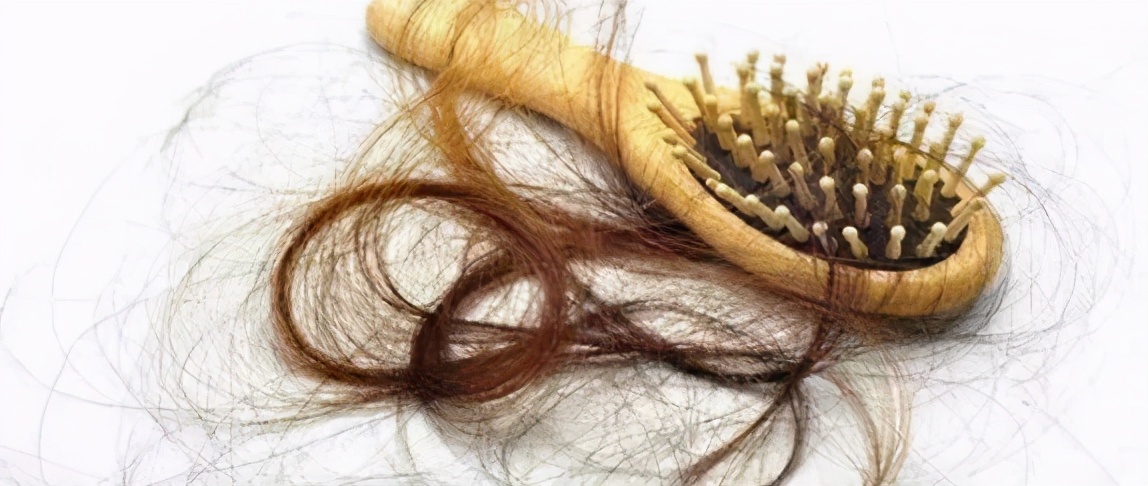
Radiation therapy for head and neck tumors can cause hair loss, but it will gradually recover some time after the completion of radiotherapy.
II. Purpose of Combining Traditional Chinese Medicine with Radiotherapy
1. Enhancing Radiosensitivity
There are many radiosensitizers, and many chemotherapy drugs can be used as radiosensitizers. Additionally, many traditional Chinese medicines can also achieve sensitizing effects, such as spleen-fortifying and root-nourishing herbs like Atractylodes macrocephala, Astragalus, and Ganoderma; qi-regulating and blood-activating herbs like Ligusticum chuanxiong, Carthamus tinctorius, and Salvia miltiorrhiza; and heat-clearing and detoxifying herbs like Adenophora stricta, Ophiopogon japonicus, and Dendrobium.
The mechanism of action mainly involves two aspects. On one hand, it improves local circulation, increases blood flow, and reduces hypoxic cells, making it easier for radiotherapy to take effect. On the other hand, traditional Chinese medicine enhances overall immunity, which is more conducive to inhibiting the growth of cancer cells, thereby improving the efficacy.
2. Reducing toxic side effects
Due to technological advancements, the damage caused by radiotherapy has become increasingly minimal. Currently, the most advanced heavy ion radiation therapy technology has significantly reduced the harm to the human body, but some side effects are still unavoidable.
Taking traditional Chinese medicine during this period can greatly reduce the occurrence of side effects, maintaining physical strength at a certain level. Whether in terms of the patient's subjective experience or objective physical condition, it is beneficial for the progression of radiotherapy.

3. Consolidate Efficacy and Prevent Recurrence
Radiotherapy cannot be conducted indefinitely, as the human body cannot endure prolonged radiation treatment. Therefore, there will eventually come a day when radiotherapy ends. What should be done after radiotherapy is completed?
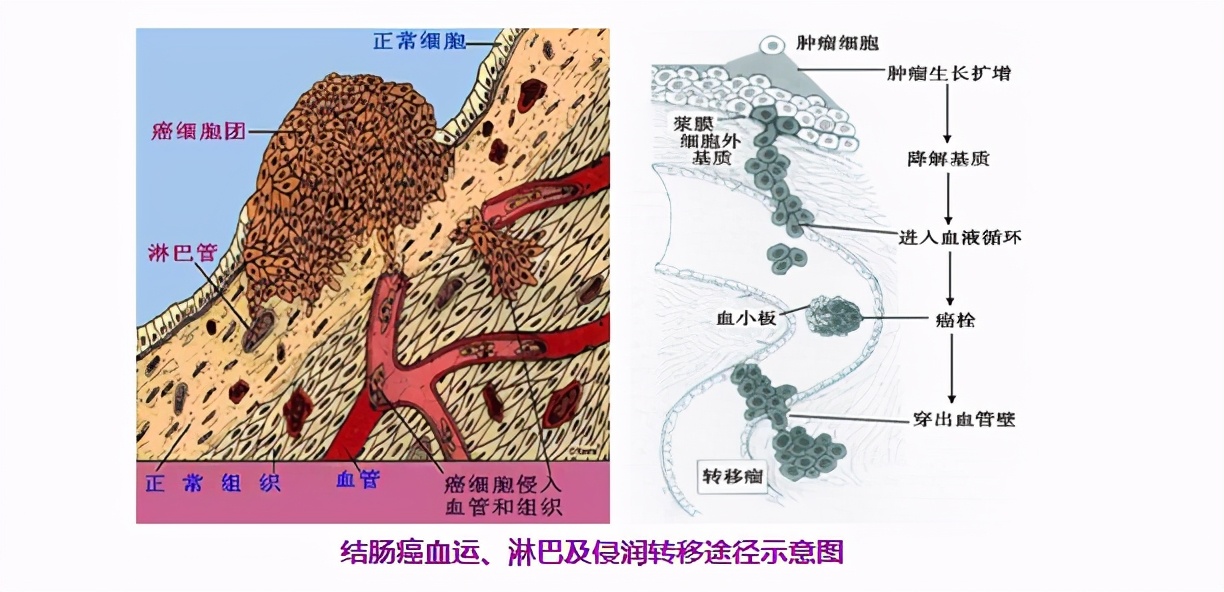
Radiotherapy can be divided into two types: curative and palliative. After curative radiotherapy, there is still a risk of recurrence and metastasis. Meanwhile, after palliative radiotherapy, since the tumor has not been eliminated, the likelihood of tumor progression remains high.
Therefore, administering traditional Chinese medicine at this stage can not only promote physical recovery but also continue antitumor treatment using traditional Chinese medicine methods, achieving the goals of inhibiting tumor growth and preventing recurrence and metastasis.
III. Application of Traditional Chinese Medicine in Combination with Radiotherapy
The application of traditional Chinese medicine in combination with radiotherapy is primarily divided into two stages: during radiotherapy and after radiotherapy.
1. During Radiation Therapy
The purpose of taking Traditional Chinese Medicine during radiation therapy is to enhance the sensitivity to radiotherapy and to prevent or alleviate the side effects of radiation treatment. Different therapeutic approaches are administered based on the patient's physical constitution and symptoms.
For example, patients with severe gastrointestinal symptoms can be treated with spleen-strengthening and stomach-harmonizing, qi-nourishing and yin-tonifying methods, using herbs such as Atractylodes macrocephala, Poria cocos, Gallus gallus domesticus endothelium, Amomum villosum, Inula japonica, Hematite, and Malt. Those with decreased blood counts can be treated with qi-tonifying and blood-nourishing, liver and kidney-tonifying methods, using herbs such as Astragalus membranaceus, Pseudostellaria heterophylla, Ligustrum lucidum, Angelica sinensis, Lycium barbarum, and Spatholobus suberectus.
Radiotherapy is considered a heat-toxic treatment method in traditional Chinese medicine. Therefore, TCM often uses yin-nourishing and heat-clearing treatments to alleviate various side effects of radiotherapy. Commonly used herbs include Adenophora stricta, Ophiopogon japonicus, Rehmannia glutinosa, Scrophularia ningpoensis, Scutellaria baicalensis, Dendrobium nobile, and Paeonia lactiflora.
2. After Radiotherapy
After radiotherapy, the primary treatment in traditional Chinese medicine focuses on consolidating therapeutic effects and preventing recurrence and metastasis. The principle is to strengthen the body's resistance and eliminate pathogenic factors.
Among them, reinforcing the healthy qi primarily focuses on strengthening the spleen and replenishing qi, as well as nourishing the liver and kidneys, with the aim of promoting physical recovery and enhancing the patient's overall immunity. Commonly used herbs include Codonopsis pilosula, Poria cocos, Atractylodes macrocephala, Chinese yam, Cornus officinalis, Gallus gallus domesticus endothelium, Rehmannia glutinosa (prepared), Psoralea corylifolia, Polygonatum sibiricum, and Cistanche deserticola.
Eliminating pathogenic factors primarily focuses on clearing heat and detoxifying, as well as softening hardness and dissipating masses, with the aim of inhibiting tumor growth and preventing recurrence and metastasis. Commonly used herbs include Glehnia littoralis, Paeonia lactiflora, Scutellaria baicalensis, Trichosanthes kirilowii, Solanum nigrum, Solanum lyratum, Paris polyphylla, Scutellaria barbata, and Hedyotis diffusa.
With the advancement of science and technology, the integration of traditional Chinese and Western medicine is increasingly advocated and still holds immense potential waiting to be explored. The practice of integrated Chinese and Western medicine also provides new perspectives for cancer treatment. It is believed that more patients will benefit from it in the future.