Is It True That the Larger a Woman's Breasts, the Higher the Risk of Breast Cancer?
Is it true that the larger a woman's breasts, the higher the risk of breast cancer? Why is there such a claim?
In real life, we can see that many patients with breast cancer have larger breasts, which is the source of this argument.
So why does this phenomenon occur? What kind of breasts are prone to breast cancer? Let's uncover this secret step by step.
I. Causes of Breast Cancer
First, let's look at the causes of breast cancer. So far, scientists have not discovered the exact cause of breast cancer, but they have identified many high-risk factors associated with its development.
1. Hormones
The occurrence of breast cancer is directly related to estrone and estradiol. Early menarche, late menopause, infertility or late childbirth, and short breastfeeding periods can all increase or prolong estrogen exposure in the body, raising the risk of breast cancer.
2. Genetics
Individuals with a family history of breast cancer have a significantly higher incidence rate than the general population, and certain genetic mutations also greatly increase the risk of breast cancer.

3. Physical Factors
Exposure to radiation therapy during childhood may also lead to the development of breast cancer.
4. Lifestyle Factors
A high-fat diet, excessive nutrition, obesity, and heavy alcohol consumption all increase the incidence of breast cancer.
Among these factors mentioned above, it appears that having larger breasts is not listed as a factor that makes one more prone to breast cancer. So, is there really a relationship between breast size and breast cancer?
2. What type of breasts are more prone to breast cancer?
Breast cancer originates from the glandular tissue of the breast. The denser the glandular tissue in the breast, the higher the risk of developing breast cancer.
Breast size is determined by both glandular tissue and fatty tissue. Breasts with more abundant and denser glandular tissue tend to be firmer and more compact, while those with a higher proportion of fatty tissue are softer in texture.
Therefore, it can be concluded that breasts with a denser structure have a greater risk of breast cancer.
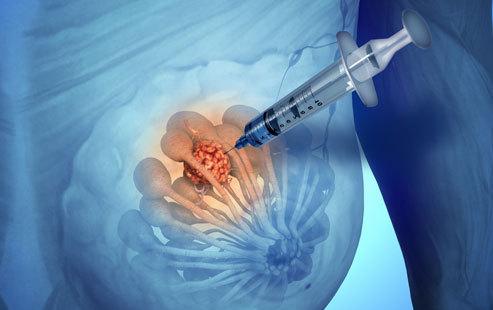
III. Why do many breast cancer patients have larger breasts?
Breast cancer is caused by a variety of factors and is not solely determined by breast size or density.
Many breast cancer patients with larger breasts are not necessarily born with them; in most cases, their breasts appear larger due to obesity.
As mentioned earlier, obesity is a high-risk factor for breast cancer, and excessive obesity is a significant factor in their development of breast cancer.

IV. How to Prevent Breast Cancer?
1. Women over the age of 40 are advised to undergo an annual X-ray examination. For those with dense breasts, it is recommended to combine the examination with a B-ultrasound.
2. Adopt lifestyle changes, including a healthy diet, regular exercise, reduced alcohol consumption, and maintaining a regular daily routine.
3. Perform regular breast self-examinations. Seek medical attention promptly if you notice any changes such as lumps, skin alterations, or nipple discharge.
4. Avoid misuse of hormones; for conditions requiring hormone therapy, use the lowest effective dose.
5. Those with a family history of breast cancer or related gene mutations should undergo regular screening as early as possible.

Conclusion
The occurrence of breast cancer is not directly related to breast size. Maintaining a healthy lifestyle and undergoing regular check-ups are the best ways to prevent breast cancer.
It is recommended that female friends learn more about breast health, master breast self-examination methods, develop the habit of regular self-examination, actively participate in breast cancer screening, and take preventive measures to avoid potential risks.