Can Lung Nodules Be Lung Cancer?
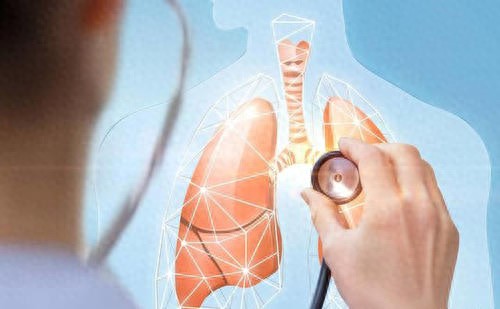
Lung nodules are actually a relatively common condition. Many people are found to have lung nodules during physical examinations, but most of them are not problematic. This is because lung nodules are a radiological term; we can only see the nodules but cannot determine what they are exactly. They could be inflammation, tuberculosis, calcification, or, of course, a tumor. Lung nodules are not necessarily lung cancer; they may be either benign or malignant.
A lung nodule is a small mass in the lungs, usually round or irregular in shape, ranging in size from a few millimeters to several centimeters. Lung nodules can be caused by infection, inflammation, benign tumors, or other conditions, but they can also be an indication of early-stage lung cancer. In general, most nodules are benign. Malignant nodules typically exhibit different characteristics on imaging, such as lobulation signs or pleural traction signs on CT scans. Such nodules might be lung cancer. Clinically, doctors assess the imaging features and adopt appropriate management strategies accordingly.
From a Traditional Chinese Medicine perspective, the formation of lung nodules is related to factors such as impaired qi movement in the lungs, internal obstruction of phlegm-dampness, and qi stagnation and blood stasis. To prevent lung nodules, TCM advocates starting with adjustments to lifestyle and dietary habits to strengthen the body's vital qi and enhance disease resistance.
1. Balanced Diet: TCM believes that "food and medicine share the same source." It is recommended to consume more foods that moisten and clear the lungs, such as pears, lily bulbs, tremella (white fungus), and white radishes. At the same time, avoid excessive intake of greasy, spicy, smoked, and other irritating foods.
2. Maintain Emotional Stability: Emotional distress is considered one of the important causes of disease in TCM. Maintaining a cheerful mood and avoiding excessive worry and sorrow helps promote the smooth flow of qi and prevent lung nodules.
3. Moderate Exercise: TCM advocates "combining activity and stillness." Appropriate exercise can enhance physical fitness and improve immunity. Activities such as walking, practicing Tai Chi, and performing Ba Duan Jin are all good choices.
4. Quit smoking and limit alcohol: Harmful substances in tobacco directly damage the lungs, increasing the risk of developing lung nodules and lung cancer. Excessive alcohol consumption also harms the liver, affecting the circulation of qi and blood.
5. Regular health check-ups: Regular lung examinations, such as low-dose CT scans, can help detect lung nodules early, enabling timely treatment.
6. Traditional Chinese Medicine (TCM) regulation: Through TCM’s syndrome differentiation and treatment, methods such as herbal medicine, acupuncture, cupping, and massage can be used to regulate the body’s yin-yang balance and enhance overall constitution.
In summary, lung nodules are not equivalent to lung cancer, but they should not be taken lightly. Through TCM prevention and regulation, combined with modern medical examinations and treatment, the risk of lung nodules becoming malignant can be effectively reduced, thereby protecting lung health.