Late-stage tumor complicated with intestinal obstruction? Traditional Chinese medicine treatment may help you recover.
Late-stage tumor complicated with intestinal obstruction? Traditional Chinese medicine treatment may help you recover.
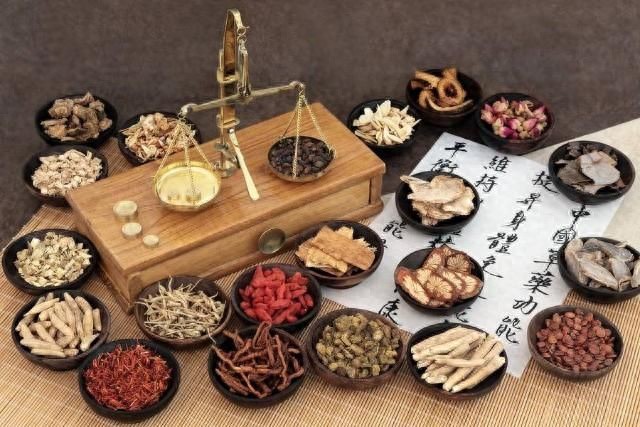
Malignant intestinal obstruction is a common complication in patients with advanced cancer. It is usually difficult to relieve the obstruction through conventional surgical treatment, and even more challenging to completely eliminate the underlying cause. Patients not only endure the suffering caused by symptoms such as vomiting, abdominal pain, bloating, and inability to eat, but also face the psychological blow of deteriorating health. Therefore, for advanced cancer patients with malignant intestinal obstruction, appropriate palliative care measures are needed to effectively alleviate symptoms and improve quality of life.
Traditional Chinese medicine and herbs have unique advantages in palliative care. They can alleviate symptoms, reduce mental stress, improve quality of life, and even prolong survival. Moreover, some patients can gain opportunities for radiotherapy, chemotherapy, or even surgery through traditional Chinese medicine treatment.
1. Etiology and Pathogenesis
*Essentials of Integrating Chinese and Western Medicine* states, "Food stagnates in the intestines, causing obstruction and pain, hence the name intestinal obstruction."
In fact, the most fundamental cause of malignant intestinal obstruction in cancer patients is the blockage or compression of the intestines by tumors, and the formation of tumors is attributed to two aspects: deficiency of healthy Qi and excess of pathogenic factors.
Deficiency of vital energy refers to the weakness of organ functions, where spleen deficiency fails to ascend the clear, and stomach weakness fails to descend the turbid, resulting in stagnation of dampness and turbidity.
Excess of pathogenic factors refers to the invasion of internal toxins, which combine with phlegm-dampness, blood stasis, and other pathogenic factors, obstructing the intestines and forming masses.
Deficiency of vital energy and excess of pathogenic factors mutually influence each other. The formation of masses obstructs the flow of qi and blood in the middle energizer, further weakening the spleen and disrupting stomach harmony. The weakened functions of the spleen and stomach reduce the ability to expel pathogenic factors, allowing toxins to proliferate and masses to grow.
The result is obstruction of the intestinal tract.
In addition to obstruction caused by tumor mass effect, some patients experience intestinal obstruction even without tumor blockage or compression.
This type of intestinal obstruction not directly caused by tumors often results from the patient's condition after undergoing surgery, radiotherapy, and chemotherapy, where the body's vital energy is impaired, qi and blood are depleted, and the flow of qi becomes disordered. This leads to abnormal circulation of essence, blood, and body fluids, forming pathological products such as phlegm, fluid retention, blood stasis, water accumulation, and damp toxins that stagnate in the intestines, subsequently causing obstruction.
2. Manifestations of Intestinal Obstruction
Malignant intestinal obstruction caused by tumors usually has an insidious onset, often presenting as incomplete intestinal obstruction. This means that bowel movements and gas passage may not completely cease, especially in the early stages.
Common clinical symptoms include: nausea, vomiting, abdominal pain, abdominal distension, and cessation of bowel movements and gas passage.
The initial symptoms typically present as intermittent abdominal pain, nausea, vomiting, and abdominal distension that can resolve spontaneously; during symptomatic episodes, bowel movements or gas passage may still occur. As the condition progresses, symptoms gradually worsen and become persistent.
The clinical manifestations and severity are related to the location and degree of intestinal obstruction.
3. Western Medical Treatment
Surgical intervention is the most crucial treatment method for malignant intestinal obstruction, but many patients are unable to tolerate surgery.
Pharmacological management includes analgesics, antiemetics, corticosteroids, antisecretory agents, etc., with the goal of alleviating symptoms and enhancing quality of life.
Additional therapeutic approaches, such as parenteral nutrition, stenting, nasogastric tube drainage, and gastrostomy, are also available to further ameliorate symptoms and improve patients' quality of life.
4. Traditional Chinese Medicine Treatment
Intestinal obstruction is located in the intestines. Traditional Chinese medicine believes that the intestines are responsible for transmission and transformation, with "unblocking as the function and descending as the normal flow." Therefore, the treatment focuses on "unblocking methods." Due to the complexity of symptoms, clinical practice often combines multiple "unblocking methods" tailored to the patient's condition.
(1) Oral Administration of Chinese Medicine
Since patients with intestinal obstruction often require treatments such as fasting and gastrointestinal decompression, oral administration of decoctions is less common. However, for patients with incomplete obstruction, small and frequent doses can be administered. Additionally, if a gastrointestinal decompression tube has been inserted, medication can be administered through it.
Oral decoctions typically focus on purgative and laxative herbs, such as Dachengqi Decoction, Wenpi Decoction, and Taohe Chengqi Decoction. The treatment is tailored based on the patient's disease characteristics (cold or heat) and physical condition.
For stasis-toxin heat accumulation syndrome, the treatment principle is to resolve stasis, detoxify, and unblock the bowels. Commonly used herbs include rhubarb, mirabilite, peach kernel, immature bitter orange, magnolia bark, aucklandia root, areca nut, moutan bark, salvia root, and dandelion. For qi stagnation syndrome, the treatment principle is to promote qi flow and unblock the bowels. Commonly used herbs include rhubarb, immature bitter orange, magnolia bark, aucklandia root, areca nut, and lindera root. For yin-fluid deficiency syndrome, the treatment principle is to nourish yin and supplement fluids. Commonly used herbs include rhubarb, mirabilite, rehmannia root, scrophularia root, ophiopogon root, immature bitter orange, and hemp seed. For cold binding in the intestinal fu syndrome, the treatment principle is to warm the interior and unblock the bowels. Commonly used herbs include rhubarb, aconite root, asarum root, cistanche, immature bitter orange, and lindera root.
Administering appropriate oral Chinese herbal medicine can, to some extent, alleviate symptoms and improve quality of life.
(2) Chinese Herbal Medicine Enemas / Rectal Drops
Chinese herbal medicine enemas and rectal drops alter the route of drug administration. This not only overcomes the problem of severe vomiting and inability to take oral medication due to obstruction but also avoids the negative impact of bitter-cold herbs on the stomach. Furthermore, it allows the medicine to reach the affected area directly, providing localized therapeutic effects for lower gastrointestinal tumors, gynecological tumors, intestinal obstruction, and other conditions.
(3) Acupuncture, Electroacupuncture, and Acupoint Injection Therapy
The advantage of acupuncture is its non-gastrointestinal route of treatment, minimal side effects, and its ability to effectively alleviate symptoms such as nausea, vomiting, abdominal pain, and bloating, making it an important auxiliary means for treating malignant intestinal obstruction.
Acupuncture points commonly selected include Hegu (LI4), Zusanli (ST36), Shangjuxu (ST37), Xiajuxu (ST39), Tianshu (ST25), Qihai (CV6), and Zhongwan (CV12).
Electroacupuncture is a therapeutic method that involves applying a micro-current of electricity close to the human body's bioelectricity to the needles after obtaining the "needle sensation" (De Qi) at the acupoints to prevent and treat diseases. The selection of acupoints for electroacupuncture is generally similar to that of filiform needle acupuncture. However, it requires selecting at least two acupoints, preferably 1-3 pairs of acupoints on the same side of the body. Excessive selection should be avoided, as too many points can lead to overly strong stimulation, which the patient may not tolerate well.
Acupoint injection combines the advantages of TCM meridians and the direct delivery of Western medicine to the affected area, thereby enhancing therapeutic efficacy. Specifically, injecting medication into the bilateral Zusanli acupoints can produce a long-lasting stimulatory effect at these acupoints, harnessing the dual benefits of acupuncture and medication injection.