Plastic Micro-particles Found Inside the Human Body, Most People Have Already Been Affected
Recently, Chinese scientists have, for the first time, discovered a certain quantity and various types of micro-plastics and dye particles in human thrombus samples.
Professor Xia Yankai, who participated in this study, said: "We believe that environmental factors, especially micro-plastics and dye particles, may have a potential association with thrombus formation."

Plastics are widely used in our daily lives, visible to the naked eye in items such as baby pacifiers, food packaging bags, takeout containers, computers, mobile phones, and various decorative ornaments.
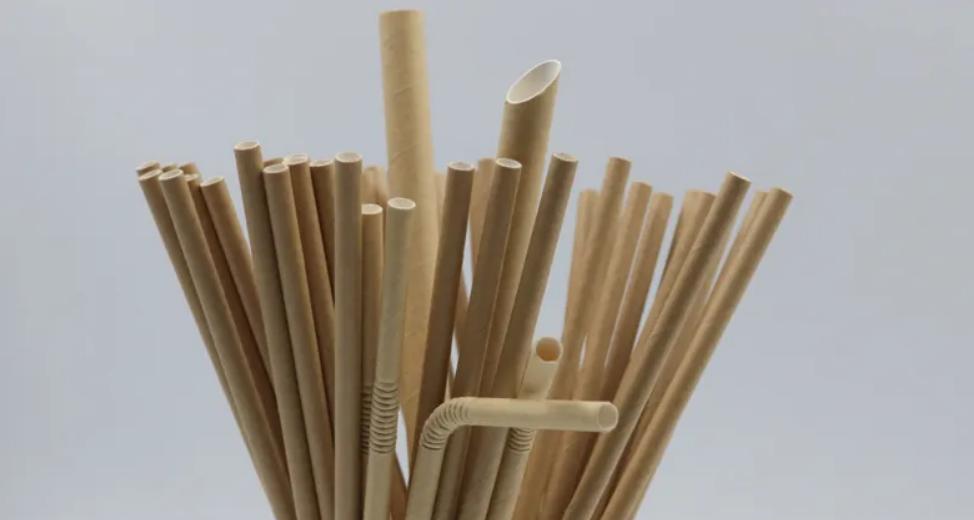
On January 1, 2021, a nationwide ban on plastic straws took effect, with the beverage industry switching to paper straws. However, due to issues like texture and practicality, paper straws have faced opposition from many. This demonstrates how plastic products have permeated every aspect of our lives, and we are in contact with and using plastic items at every moment of our existence.
At the 26th United European Gastroenterology Week, scientists presented the findings of an investigation.
A random sampling of individuals from eight countries revealed the presence of nine types of plastics in their feces, with polypropylene and polyethylene terephthalate—commonly known as PP and PET plastics—being the most frequently detected.
These types of plastics are particles ranging from 50 to 500 micrometers in diameter that primarily enter the human body through the mouth and are expelled via the digestive system.
Scientists believe that the particles excreted account for only a small fraction of the plastic particles in the human body, with many remaining inside.
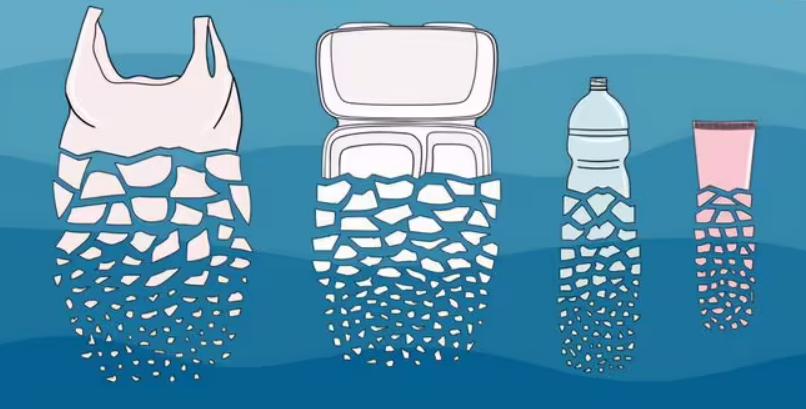
Microplastics enter the human body not only through diet or plastic products. Due to their tiny size, they easily float in the air, enter water sources and soil, and are then absorbed by plants.
When we eat vegetables and fruits, plastic microparticles enter our bodies, and even when we drink water or breathe, we ingest plastic microparticles.
Microplastics are not only pervasive in human society but have also been detected in nearly every ecosystem globally. Even pristine areas such as the Antarctic and Arctic are not spared.
It can be said that all living beings on Earth have already been affected by plastics.
It seems a disaster is brewing, but humanity remains unaware of just how severe it might be.