Can Chinese medicine be taken during radiotherapy and chemotherapy for ovarian cancer? What are its effects?
Radiotherapy, chemotherapy, and surgery have long been the main methods for treating malignant tumors. With the gradual rise of immunotherapy and targeted therapy, the proportion of radiotherapy and chemotherapy in clinical treatment has gradually decreased. However, they still play an indispensable role in the treatment of ovarian cancer.
How can Chinese medicine be integrated during radiotherapy and chemotherapy? What effects can it achieve?
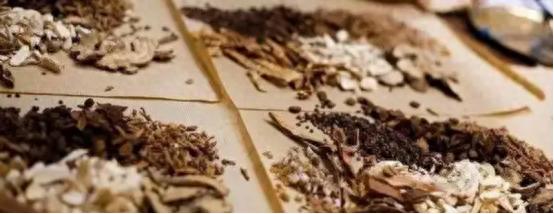
In fact, traditional Chinese medicine treatment runs throughout the entire treatment process for ovarian cancer, with radiotherapy and chemotherapy being a particularly crucial period. Clinically, based on different constitutions, symptoms, and the progress of Western medicine treatments, therapies such as invigorating the spleen, tonifying the kidney, soothing the liver, promoting diuresis, clearing heat, detoxifying, eliminating phlegm, and resolving blood stasis are applied. The overarching goal is to enhance treatment efficacy, reduce the toxic side effects of radiotherapy and chemotherapy, improve quality of life, and prolong survival time.
Next, let’s discuss how traditional Chinese medicine can be integrated with radiotherapy and chemotherapy, respectively.

1. Combining Chinese Medicine with Chemotherapy.
Given the high recurrence rate of ovarian cancer and its sensitivity to chemotherapy, chemotherapy is one of the most commonly used treatments for ovarian cancer. It plays a significant role particularly in the treatment of ovarian epithelial carcinoma, serving as a key approach in both adjuvant therapy and recurrence management.
There are numerous chemotherapy regimens tailored to specific pathological types and stages of the disease. These are primarily categorized into three groups: adjuvant chemotherapy after surgery, neoadjuvant chemotherapy before surgery (both considered first-line treatments), and second-line treatments for recurrence or drug resistance. The main drugs include paclitaxel and platinum-based chemotherapeutics, as well as doxorubicin, docetaxel, etoposide, gemcitabine, and others. Some regimens also incorporate targeted therapies, such as bevacizumab and olaparib, which have shown significant efficacy.
So, how should traditional Chinese medicine (TCM) be integrated with these treatments?
TCM treatment is staged to complement chemotherapy, divided into two phases: during chemotherapy and post-chemotherapy.
1. Treatment administered concurrently with chemotherapy.
The purpose of combining Traditional Chinese Medicine (TCM) with chemotherapy is to reduce toxicity, enhance efficacy, and preserve physical strength.
Chemotherapy is highly effective in treatment but also has significant side effects that greatly impact quality of life. TCM can provide corresponding treatments based on symptoms that arise during chemotherapy to alleviate these side effects, reduce patients' physical exertion, maintain their quality of life, and ensure the smooth continuation of chemotherapy.
TCM can promote the recovery of qi and blood in the body and enhance the effectiveness of chemotherapy drugs. Some TCM studies also suggest that TCM can increase the sensitivity of tumor cells to chemotherapy drugs, thereby improving the efficacy of chemotherapy, reducing or delaying the emergence of drug resistance.
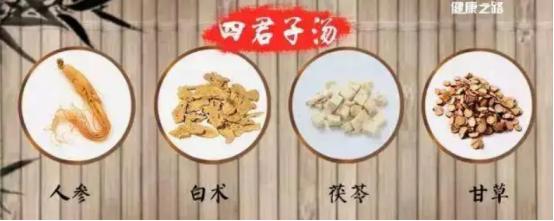
Common TCM treatments during chemotherapy include strengthening the spleen and nourishing the kidneys, nourishing yin and clearing heat, harmonizing the stomach and descending adverse qi, and regulating gastrointestinal function. Commonly used formulas include Banxia Xiexin Tang (Pinellia Decoction for Purging Heart Fire) and Sijunzi Tang (Four Gentlemen Decoction). Frequently used herbs include Bai Zhu (Atractylodes macrocephala), Fu Ling (Poria), Chai Hu (Bupleurum), Huang Lian (Coptis chinensis), Huang Qin (Scutellaria baicalensis), Gan Jiang (Dried Ginger), Hou Po (Magnolia officinalis), Ban Xia (Pinellia ternata), Wu Zhu Yu (Evodia rutaecarpa), Xuan Fu Hua (Inula japonica), among others.
2. Treatment After Chemotherapy
Why is traditional Chinese medicine treatment still needed after chemotherapy? The purpose of post-chemotherapy treatment is to reinforce the body's resistance and detoxify, aiming to prevent transformation.
After completing chemotherapy, it is advisable to continue taking traditional Chinese medicine to promote physical recovery, minimize the various side effects caused by chemotherapy, and continue with the anti-tumor treatment of Chinese medicine to prevent recurrence and metastasis.
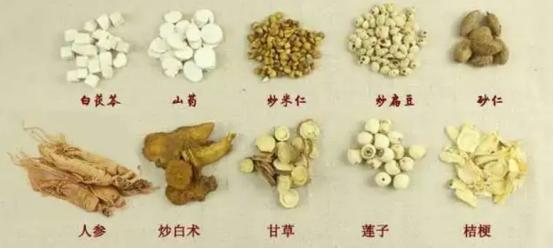
The post-chemotherapy treatment primarily focuses on reinforcing the body's resistance, combined with clearing residual toxins. It mainly includes replenishing qi and nourishing yin, detoxifying and dispersing masses, resolving phlegm and dispelling dampness, and eliminating blood stasis and clearing heat. Commonly used formulas include Shenling Baizhu San (Ginseng and Poria Powder) and Longshe Yangquan Tang (Dragon-Snake and Goat Springs Decoction). Frequently used Chinese herbs include ginseng, codonopsis root, poria cocos, atractylodes, gardenia, moutan bark, angelica root, solanum lyratum, snakeberry, lily, dandelion, and honeysuckle flower.
II. Traditional Chinese Medicine Combined with Radiotherapy.
Epithelial ovarian cancer is moderately sensitive to radiotherapy; however, due to the biological characteristics of ovarian cancer, it is prone to widespread metastasis in the pelvic and abdominal cavities. Additionally, there are many effective chemotherapy drugs available, and radiotherapy in the pelvic and abdominal cavities often leads to complications. Therefore, radiotherapy is rarely used as adjuvant therapy after ovarian cancer surgery. Even for radiosensitive dysgerminomas, chemotherapy remains the primary adjuvant treatment post-surgery. Currently, radiotherapy is only used for palliative treatment in a small subset of patients with recurrent ovarian cancer. Some patients with localized tumors, such as those with metastasis only to retroperitoneal or mediastinal lymph nodes that are difficult to surgically remove and respond poorly to chemotherapy, may also consider radiotherapy.
Radiotherapy methods primarily include external beam radiotherapy and brachytherapy. External beam radiotherapy is the commonly used approach, involving irradiation through radiotherapy equipment from outside the body. Brachytherapy involves implanting radioactive seeds into the body, utilizing their continuous radiation to achieve therapeutic effects.
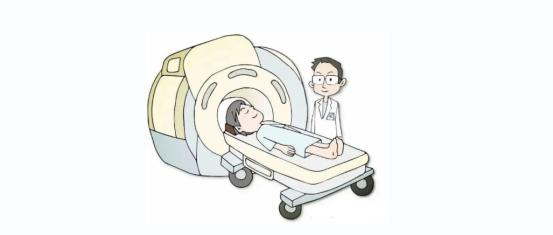
Traditional Chinese medicine combined with radiotherapy is also administered in stages, similar to its integration with chemotherapy.
1. Undergo Chinese medicine therapy concurrently with radiotherapy.
When undergoing Chinese medicine therapy concurrently with radiotherapy, the goal of the treatment is to mitigate toxicity, enhance efficacy, and preserve physical strength.
From the perspective of Traditional Chinese Medicine (TCM), radiotherapy is considered a treatment with "heat-toxin" properties. While it targets and destroys lesions, it can also cause damage to the body, manifesting as symptoms of depleted yin-essence, such as dry mouth, night sweats, tinnitus, and irritability. Therefore, by applying therapeutic principles that nourish yin, clear heat, fortify the spleen, and harmonize the stomach, it is possible to effectively alleviate various side effects associated with radiotherapy.
The radiation dosage is also subject to specific requirements. If the dose is too high, it only increases damage without improving therapeutic efficacy. Therefore, enhancing the sensitivity of cancer cells to radiotherapy is a crucial means of increasing its effectiveness. Research has found that Chinese herbal medicine can improve local circulation and enhance the sensitivity of cancer cells to radiotherapy, thereby improving its overall therapeutic effect.
During radiation therapy, traditional Chinese medicine treatments mainly include supplementing qi and nourishing yin, clearing heat and detoxifying, strengthening the spleen and harmonizing the stomach, among others. Commonly used formulas include Shashen Maimendong Decoction and Zhuye Shigao Decoction. Frequently used herbs are Radix Glehniae, Ophiopogon japonicus, Lily bulb, Radix Scrophulariae, Honeysuckle, Dandelion, Forsythia, Fragrant Solomon's Seal Rhizome, Tangerine peel, Atractylodes macrocephala, Chinese yam, and so on.
2. Post-radiation therapy treatment
Radiation-induced inflammation can persist for a long time, with common symptoms including local redness, itching, ulceration, pain, as well as nausea, vomiting, loss of appetite, cough, abdominal pain, and so on. Traditional Chinese medicine can help reduce inflammatory reactions and promote bodily recovery. Therefore, after completing radiation therapy, it is still necessary to continue consolidating therapeutic effects and preventing recurrence and metastasis. Traditional Chinese medicine, through the methods of reinforcing healthy qi and eliminating pathogenic factors, can achieve the goal of long-term treatment.
Post-radiation therapy treatments in traditional Chinese medicine include supplementing qi and strengthening the spleen, nourishing yin and promoting fluid production, detoxifying and dispersing nodules, among others. Commonly used formulas include Shashen Maimendong Decoction and Liuwei Dihuang Pill. Frequently used herbs are Rehmannia glutinosa (steamed), Cornus officinalis, Moutan bark, Lily bulb, Isatis leaf, Bistorta, Fritillaria thunbergii, Atractylodes macrocephala, Codonopsis pilosula, Reed rhizome, and so on.