What are the differences between lung squamous cell carcinoma and lung adenocarcinoma?
Lung cancer is divided into two categories: small cell lung cancer and non-small cell lung cancer. Small cell lung cancer has been discussed extensively, so let's talk about non-small cell lung cancer.
Non-small cell lung cancer can be further subdivided into many types, such as squamous cell carcinoma, adenocarcinoma, large cell carcinoma, sarcomatoid carcinoma, etc. Among these, the most common are squamous cell carcinoma and adenocarcinoma.
Lung adenocarcinoma is the most common type of lung cancer, accounting for approximately 40%-50% of all cases, while squamous cell carcinoma is the second most common type, making up about 25%-30%.
For the general public, regardless of the type of lung cancer, as long as it is lung cancer, it is something we fear. However, for doctors, the differences in pathological types mean that the treatment and prognosis of the disease also vary.
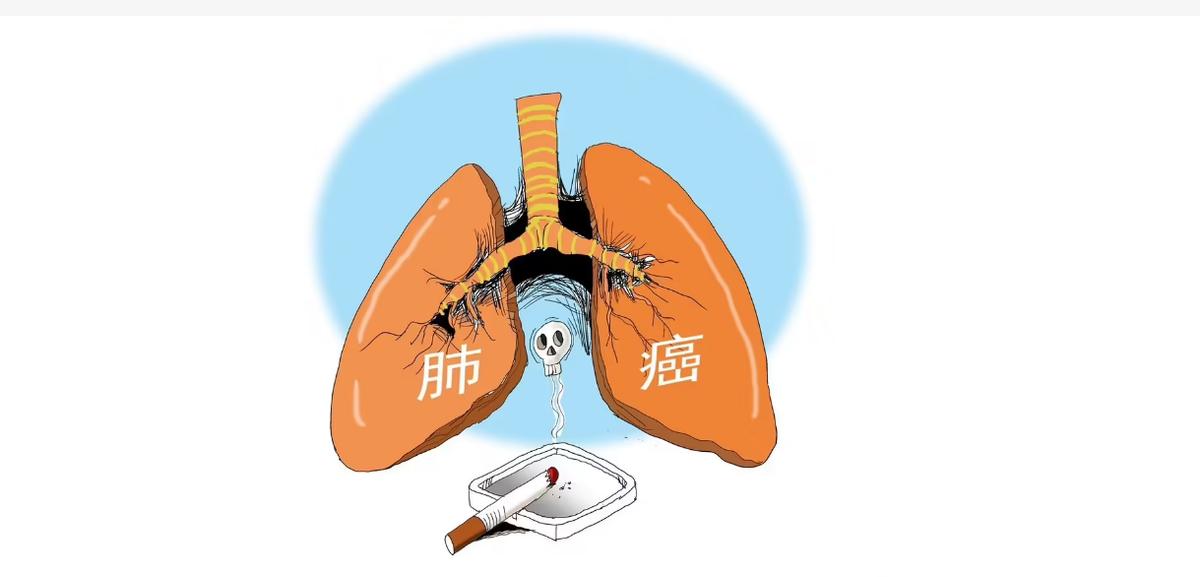
What are the differences between lung adenocarcinoma and squamous cell carcinoma?
First, the causes of the two types are similar, including smoking, environmental pollution, ionizing radiation, genetics, and others. However, according to surveys, squamous cell carcinoma is more strongly associated with smoking—almost all patients with lung squamous cell carcinoma have a history of long-term, heavy smoking, including exposure to secondhand smoke.
Second, there are differences in the site of occurrence. Lung squamous cell carcinoma often occurs in the central part of the lung, presenting as central lung cancer, while lung adenocarcinoma is more commonly found in the small bronchi, presenting as peripheral lung cancer.
Third, there are differences in symptoms. Due to its frequent location in the central region, lung squamous cell carcinoma often leads to obstructive pneumonia, causing respiratory symptoms such as difficulty breathing. Additionally, as squamous cell carcinoma often involves necrosis in the central area, symptoms like fever and hemoptysis are common. In contrast, lung adenocarcinoma presents with fewer respiratory symptoms and is more often associated with low-grade fever and cough.
Fourth, there are differences in the affected population. Lung squamous cell carcinoma is more common in males, particularly elderly males with a long history of smoking. On the other hand, lung adenocarcinoma generally occurs at a younger age, and the proportion of female patients is higher compared to squamous cell carcinoma.
Fifth, the prognosis differs. After surgical resection, lung squamous cell carcinoma has a relatively good prognosis but is less sensitive to radiotherapy and chemotherapy. In comparison, lung adenocarcinoma has a lower overall survival rate and shorter survival period, though it is relatively more sensitive to radiotherapy and chemotherapy.
Above are some simple distinctions between lung squamous cell carcinoma and lung adenocarcinoma. In fact, medically speaking, although both are types of lung cancer, there are significant differences between them. #What is the difference between lung squamous cell carcinoma and lung adenocarcinoma?