Mother Develops Breast Cancer Out of Anger Over Son Not Finding a Partner
Aunt Li, nearly sixty years old, came to my clinic last week. As soon as she entered the door, she poured out her troubles, saying that her son had caused her so much anger that she developed breast cancer.
It turned out that Aunt Li's son had been quite mischievous since childhood. He didn't study hard in school, didn't work diligently after graduating from college, and only knew how to play video games. Now in his thirties, he still hasn't found a partner, which made her so angry that she felt physically unwell. After going to the hospital for a checkup, she was diagnosed with breast cancer.
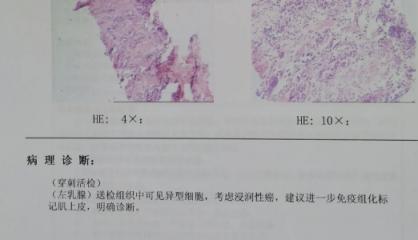
Looking at her report and seeing it was early-stage breast cancer, I said, “You’ve caught this quite early. With proper treatment, everything should be fine, no need to worry.”
While understanding her condition, I chatted with Auntie Li. From our conversation, I realized that Auntie Li’s son does indeed enjoy playing video games, but he hasn’t made any mistakes at work. It’s probably because Auntie Li sees gaming as unproductive, so she thinks her son isn’t working diligently.
I told Auntie Li, “If your son didn’t study hard, could he have gotten into university? If he didn’t work properly, wouldn’t he have been fired by now? You’re upset because he hasn’t found you a daughter-in-law! Young people today face a lot of pressure. You should encourage him more, urge him to go out, socialize with friends—that’s how more opportunities come along.”
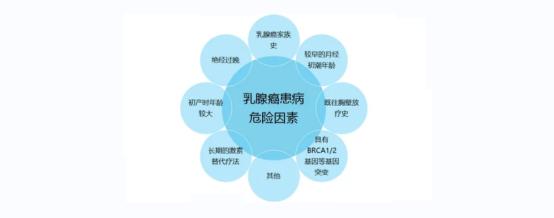
Regarding the causes of ovarian cancer, we currently believe there are several main factors, including hormonal influences, genetic factors, and dietary habits.
There is currently no evidence that emotional influence leads to the occurrence of breast cancer.
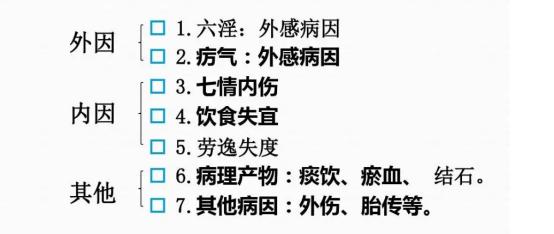
However, from the perspective of Traditional Chinese Medicine, emotions are indeed one of the pathogenic factors.
Traditional Chinese Medicine holds that the occurrence of breast cancer involves both internal and external factors.
The external factors refer to the six exogenous pathogenic factors, with wind-cold being particularly common. These pathogenic toxins accumulate in the breast collaterals, leading to obstructed qi and blood, internal stagnation of blood stasis, and phlegm-turbidity blockage, ultimately resulting in the formation of breast cancer.
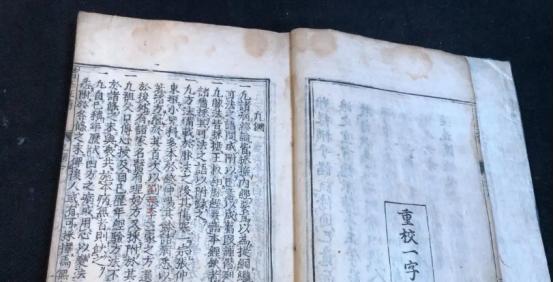
The internal causes include emotional disturbances, improper diet, and chronic illness leading to physical weakness. According to "Medical Orthodoxy," this condition often occurs in middle-aged women with long-term depression and accumulated resentment. Liver qi stagnation is an important pathogenesis in the development of breast cancer.
Among the internal causes, emotional disturbances, improper diet, and chronic illness leading to physical weakness are merely predisposing factors. The most fundamental etiology is the deficiency of vital qi, that is, insufficient qi and blood, leading to weakened organ functions.
Due to the deficiency of vital qi, combined with the invasion of external pathogens, and the interaction between internal and external factors, breast cancer occurs.

Therefore, the occurrence of breast cancer cannot be solely attributed to emotional factors such as anger and anxiety. Breast cancer is formed under the combined influence of multiple factors.
So in addition to regulating our emotions, we should also improve our dietary habits, exercise appropriately, enhance our immunity, and maintain the abundance of our righteous qi.