Cancer is not incurable, but people are afraid to treat it.
Humans have discovered cancer for over a century and have developed various treatment methods, especially in the past two decades. Surgery, radiotherapy, and chemotherapy have become increasingly refined, while immunotherapy and targeted therapies are advancing rapidly. With the support of these diverse approaches, the effectiveness of cancer treatment has also improved significantly.
However, despite the growing range of treatment options, cancer is still widely regarded as an "incurable disease."
The reason is that while most patients can achieve longer survival after treatment, they still cannot escape an ultimate outcome. The fear of death causes people to unconsciously dread this disease, and even develop aversion to cancer treatments such as radiotherapy and chemotherapy.
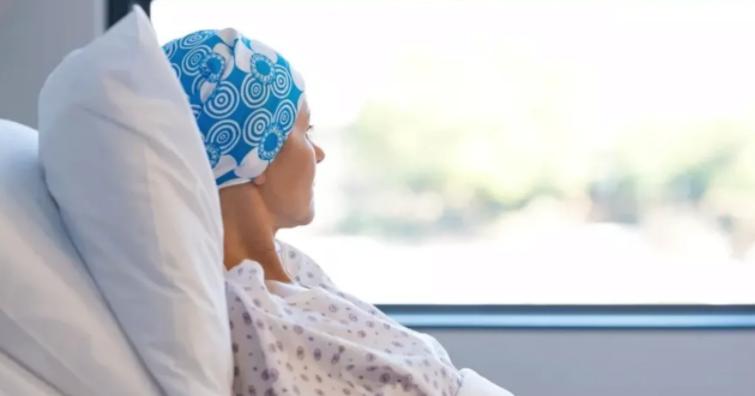
Is cancer really incurable?
In fact, treatment methods such as chemotherapy, radiotherapy, targeted therapy, and immunotherapy are very effective at killing tumors. However, often it's not that they cannot be used, but rather that people are afraid to use them. Why is that?
We know that while chemotherapy kills cancer cells, it also damages the body's normal cells. Therefore, chemotherapy cannot be continued indefinitely, and a period of time is needed between cycles for the body to recover.
This is the conflict between treatment and the body.

Cancer treatment is a balance between lethality and the body's tolerance. If the lethality is too strong and the body cannot withstand it, the human body will rapidly deteriorate, which is worse than not treating it at all. If the lethality is insufficient and cannot suppress the growth of cancer cells, the human body suffers the damage of treatment without achieving the corresponding effect, which is also worse than not treating it.
Therefore, this balance needs to be carefully managed by doctors based on the actual situation.
The ideal treatment we envision is one that effectively treats the disease without causing harm to the human body, but this ideal is very difficult to achieve.

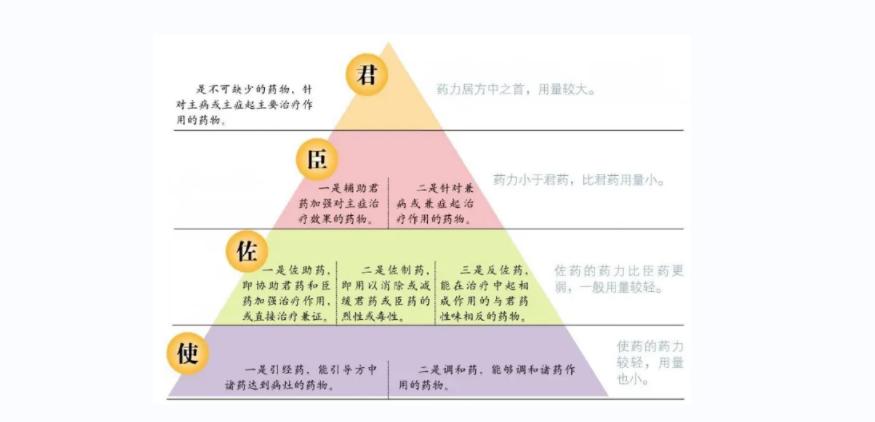
Traditional Chinese medicine has always been known for its minimal side effects. Taking TCM as an example, although the side effects are relatively small, they are not entirely absent. It still has some impact on the human body to some extent. However, doctors can minimize this impact through the compatibility of "sovereign, minister, assistant, and envoy" herbs.
But for some diseases, even with reasonable herbal compatibility, it is still impossible to completely avoid the occurrence of side effects.
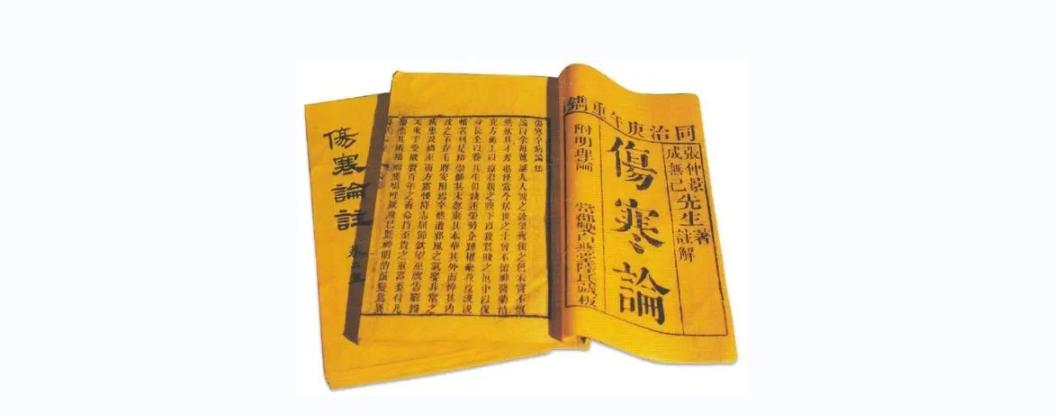
For instance, in the "Treatise on Cold Damage Diseases," there is a prescription called Ten Jujube Decoction, which is used to treat internal retention of fluid with excessive syndromes, similar to what we now refer to as pleural effusion and ascites.
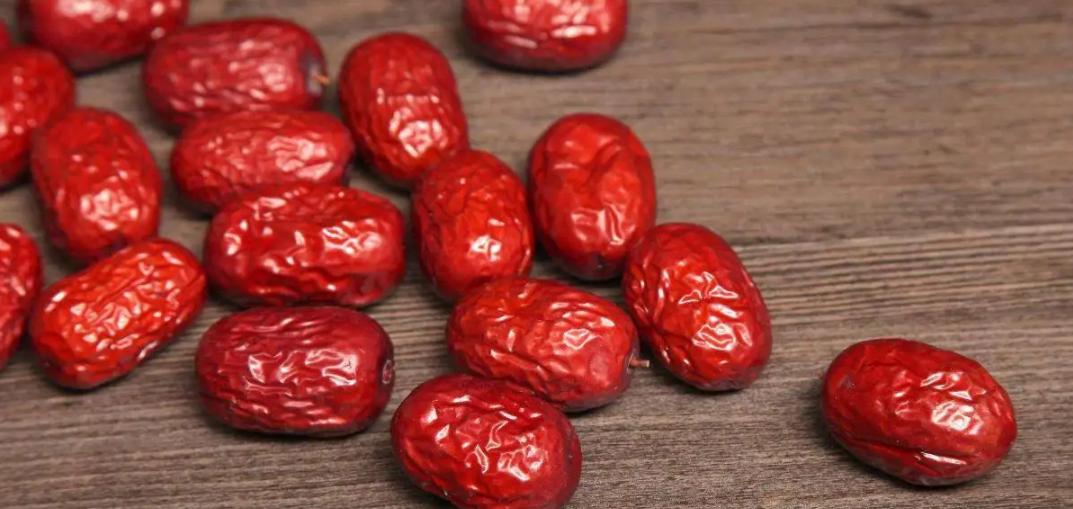
Ten Jujube Decoction uses three toxic herbs: Daphne genkwa, Euphorbia kansui, and Euphorbia pekinensis, which have the effect of expelling retained fluids. These herbs are potent and vigorous, but they are also likely to damage the body's vital energy. To counteract the intense toxicity of these three herbs, ten jujubes are added to the formula. The jujubes help mitigate the toxicity, nourish stomach qi, and thus preserve the body's vital energy.
But if the toxicity of the drug is completely restricted, how can the fluid retention in the body be eliminated? Therefore, toxicity still exists, but its impact on the human body is reduced. Additionally, after the fluid retention subsides, tonifying medicines need to be taken to replenish healthy qi and restore physical condition.
In the compatibility of traditional Chinese medicine, there are many such scenarios, which is also one of the reasons why it has fewer side effects.
In the treatment of cancer, traditional Chinese medicine (TCM) also utilizes many herbal medicines that are potent or even toxic. This is because cancer itself is a stubborn and chronic disease; without sufficient medicinal strength, it is impossible to exert therapeutic effects on tumors. These drugs require corresponding agents to counteract their properties, as the human body cannot otherwise tolerate them. For example, commonly used anti-cancer herbs such as centipedes, scorpions, and silkworm fungus all possess a certain degree of toxicity. In clinical applications, they are typically combined with detoxifying herbs and medicines that regulate and tonify the spleen and stomach, such as honeysuckle, dandelion, and isatis leaf for detoxification, and amomum villosum, aucklandia root, and poria cocos for regulating and tonifying the spleen and stomach.
Therefore, both traditional Chinese medicine and Western medicine must seek a balance between killing efficacy and the body's tolerance.
However, TCM and Western medicine have different perspectives on this balance. Western medicine focuses more on killing cancer cells, with fewer measures to protect the body. In contrast, traditional Chinese medicine places greater emphasis on preserving bodily functions, though its ability to kill cancer cells is relatively weaker.
From this perspective, integrating traditional Chinese medicine and Western medicine is essential.

Overall, regardless of the method or perspective involved, the ultimate goal is to protect life and treat diseases, with the most important aspects being the preservation of life and the quality of survival.
If we can ensure the existence of life while maintaining a high quality of life, then it is acceptable for the disease to persist. However, if a treatment can address the disease but fails to guarantee the safety of life, then that approach is ultimately unsuccessful. #Cancer# #Health# #DailyMedicalPopularScience#