A Remarkable Traditional Chinese Anti-Cancer Medicine Similar to Cordyceps: The Miraculous White Stiff Silkworm
In fact, the stiff silkworm is quite similar to Cordyceps sinensis. The medicinal stiff silkworm is typically stir-fried with bran, giving it a yellowish appearance that, at first glance, resembles the fruiting body of Cordyceps sinensis. If you insert a small stick into the head of a stir-fried stiff silkworm and place it among a pile of Cordyceps sinensis, it would indeed be hard to spot.
Of course, such counterfeiting methods are quite primitive and can easily be identified.
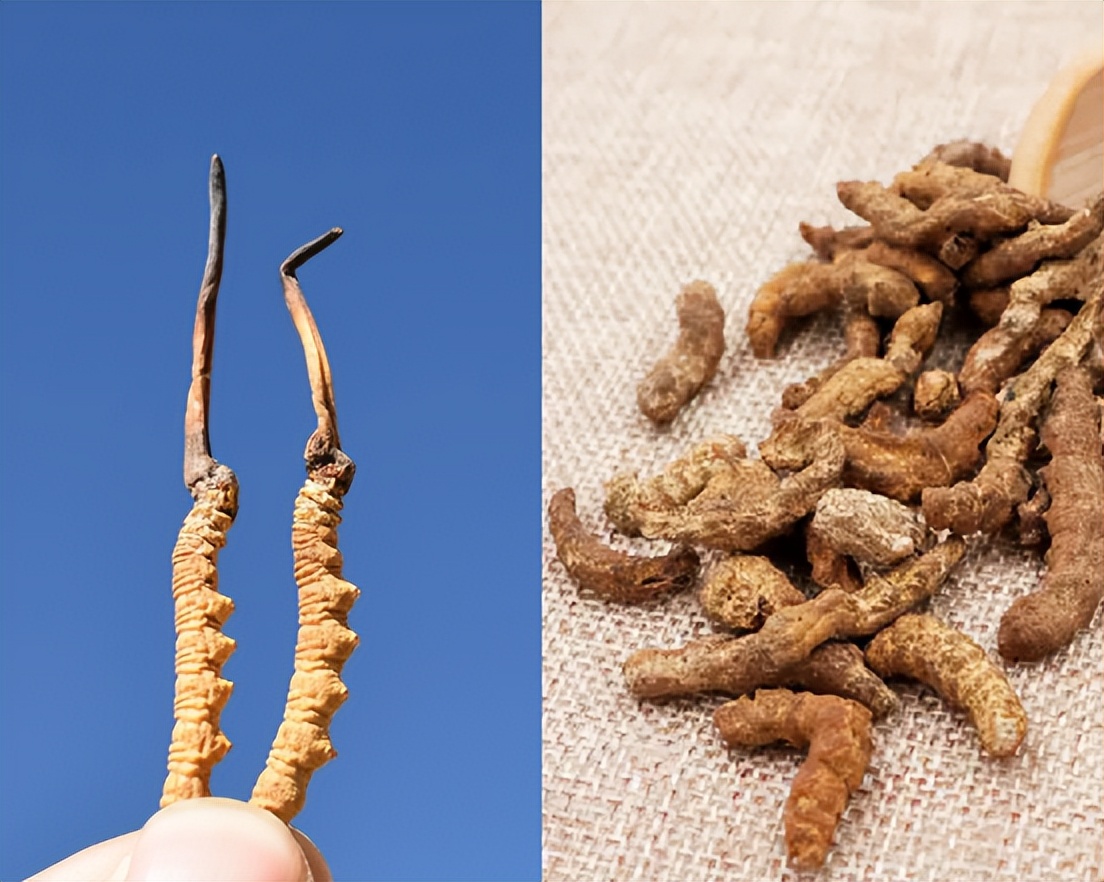
Cicada slough and Cordyceps sinensis share another similarity: they are both unique species formed through fungal infection.
Cordyceps sinensis is a complex formed by the infection of bat moth larvae with the fungus Ophiocordyceps sinensis, while cicada slough is the dried body of silkworm larvae killed by infection with Beauveria bassiana.

Although they appear similar in form, the therapeutic effects of these two medicines are completely different.
Cordyceps sinensis is a well-known tonic, expensive and widely recognized; whereas cicada slough belongs to the category of medicines that calm the liver and extinguish wind, commonly used to treat conditions such as convulsions and epilepsy, facial paralysis in stroke, mumps, and has the effects of calming wind to relieve spasms, dispelling wind to alleviate pain, and resolving phlegm to disperse nodules.
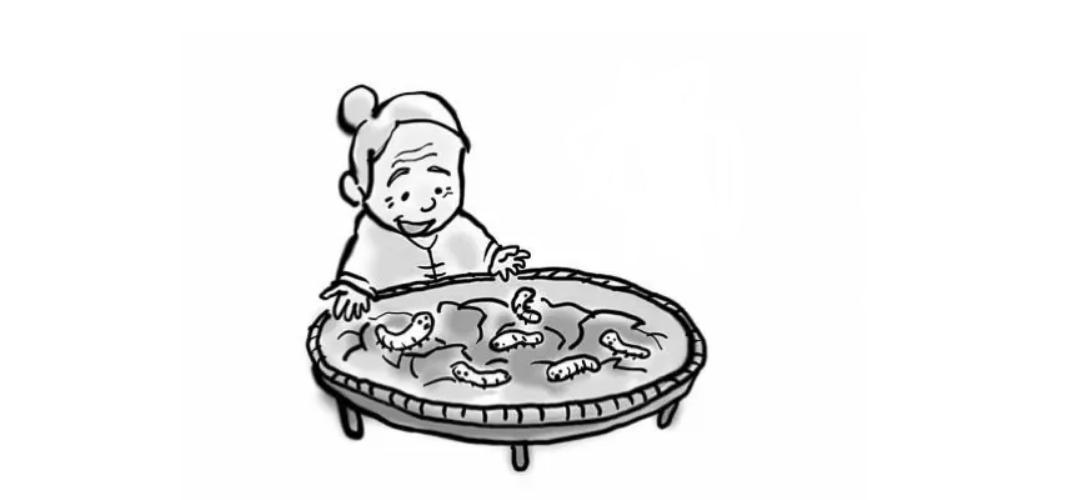
Legend has it that in ancient times, there was a lonely little girl who lost her parents at a young age and made a living by raising silkworms. She often talked to the silkworms late at night when everything was quiet, chatting with them as if they were friends. Over time, the silkworms seemed to develop human-like understanding, nodding or shaking their heads from time to time when the little girl spoke.

One day, the little girl suddenly fell ill, suffering from headaches and itching all over her body. At first, she managed to endure it, but eventually, she couldn’t even eat anymore.
That night, a kind old woman dressed in silver suddenly appeared in her home. She introduced herself as the Silkworm Grandmother and told the little girl that she could be cured by taking "Bombyx Batryticatus" (silkworm larvae infected with Beauveria bassiana). After saying this, the old woman vanished without a trace.
Following the old woman’s advice, the little girl noticed that among the silkworms, there were indeed a few that had died and become stiff. After consuming them, she quickly recovered her health.
White Silkworm is highly effective in treating headaches, particularly those caused by wind-heat.
Modern pharmacological studies suggest that White Silkworm possesses multiple pharmacological activities, including anticoagulant, anticonvulsant, antibacterial, hypoglycemic, sedative, and immune-enhancing effects.
Additionally, research has found that White Silkworm also exhibits significant antitumor activity. Experimental studies indicate that flavonoids in White Silkworm significantly inhibit the proliferation of cancer cells without toxicity to normal cells.
Traditional Chinese medicine holds that insect drugs possess potent medicinal properties capable of treating chronic and stubborn diseases, among which the silkworm larva is a representative one.