What Happens If You Get Cancer and Don't Get Treatment?
After a cancer diagnosis, doctors always urge patients to start treatment as soon as possible. However, we all know that cancer is very difficult to cure, so what exactly is the purpose of treatment? What would happen if you didn’t get treatment?

Below, we list some of the dangerous outcomes that can occur if cancer is left untreated:
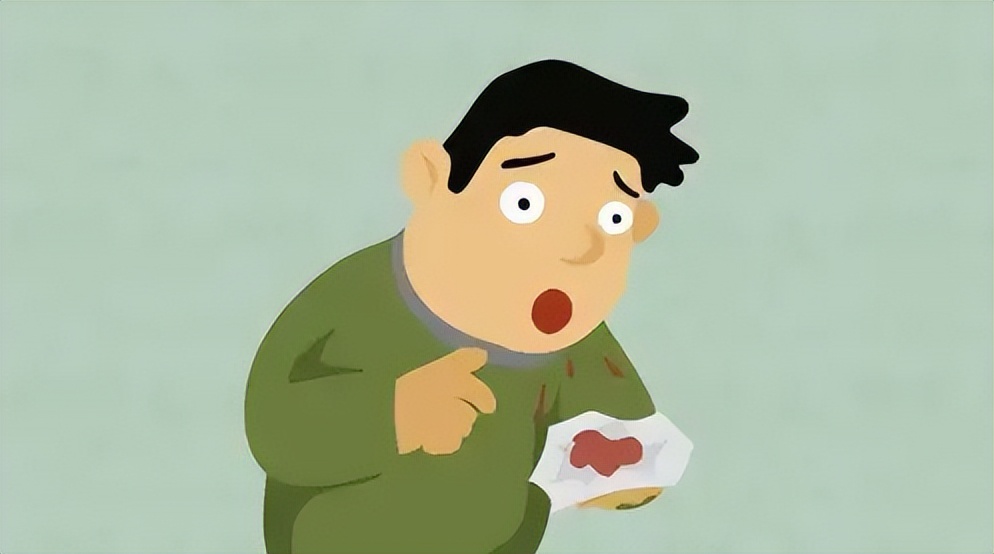
Bleeding
As the tumor grows, the risk of bleeding also continuously increases. Cancers such as lung cancer, stomach cancer, liver cancer, esophageal cancer, and colorectal cancer are all malignant tumors with a relatively high risk of bleeding. The larger the tumor and the wider its invasive range, the greater the risk of bleeding. Without timely treatment, there is a risk of massive hemorrhage. Once massive bleeding occurs, it can be life-threatening.
Surgical resection of the lesion can address the risk of bleeding. Treatments such as radiotherapy, chemotherapy, immunotherapy, and targeted therapy to control the tumor can also reduce the risk of bleeding.
Impact on Organ Tissues
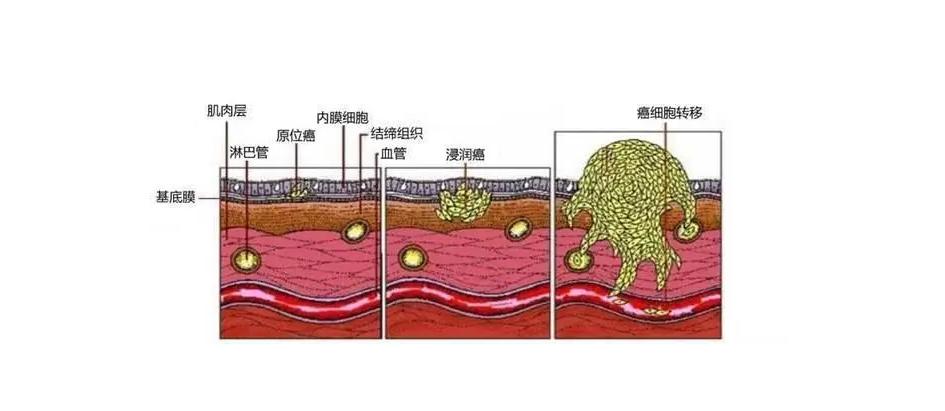
The growth of tumors can compress and invade surrounding organs and tissues, while metastasis can directly affect corresponding organs and tissues. If vital organs such as the lungs, liver, brain, or kidneys are impacted, it can lead to a decline in their function, even failure, thereby endangering life.
Chemotherapy is a common treatment for patients with metastasis. Immunotherapy and targeted therapy also show good efficacy for certain types of tumors, while radiotherapy is only applicable to localized lesions.
Cachexia
Cachexia, also known as cachexia syndrome, is a state of extreme physical weakness in the later stages of a disease. In cancer patients, it often manifests as severe emaciation, fatigue, pain, loss of self-care ability, and may even lead to critical conditions such as palpitations, shortness of breath, and difficulty breathing.
Once cachexia occurs, it indicates that the disease has progressed to an advanced stage, the patient's constitution is weakened, and most anti-tumor treatments can no longer be carried out. At this point, conservative Traditional Chinese Medicine treatment can be chosen to restore constitution, alleviate pain, and prolong life.

Multiple Organ Failure
The growth of tumors consumes a large amount of nutrients and affects the digestive and absorptive functions of the body, leading to insufficient nutrient intake, reduced absorption, increased consumption, inadequate nutrient supply to various organs, and gradual decline in function. Additionally, while tumors grow, they also secrete certain substances that further disrupt bodily functions, causing multiple organ failure and posing a life-threatening risk.
Organ failure is caused by the long-term growth of tumors. Entering the stage of failure indicates that the disease has reached an advanced stage, and the functions of the internal organs can no longer tolerate further treatment. At this point, Traditional Chinese Medicine treatment can be employed to slow the progression of the disease.
Other dangerous situations
There are many dangerous conditions caused by cancer, such as fractures due to bone metastasis, epilepsy caused by brain tumors, difficulty breathing due to lung cancer, ascites resulting from ovarian cancer, and other conditions like coma, anemia, edema, and incontinence of urine and feces. These not only affect the patient's quality of life but can also become life-threatening in severe cases.

Therefore, for cancer, we must detect early, diagnose early, and treat early.