What are the Four Incurable Diseases in Traditional Chinese Medicine? Are They Really Untreatable?
It is often said that cancer is an incurable disease. In ancient times, under poor sanitary conditions, cancer was indeed extremely dangerous, difficult to detect and hard to treat. However, with the advancement of modern medical technology, cancer can now be effectively managed.
Which diseases were considered "incurable" in ancient times? Today, we will discuss the "Four Incurable Diseases" in Traditional Chinese Medicine.
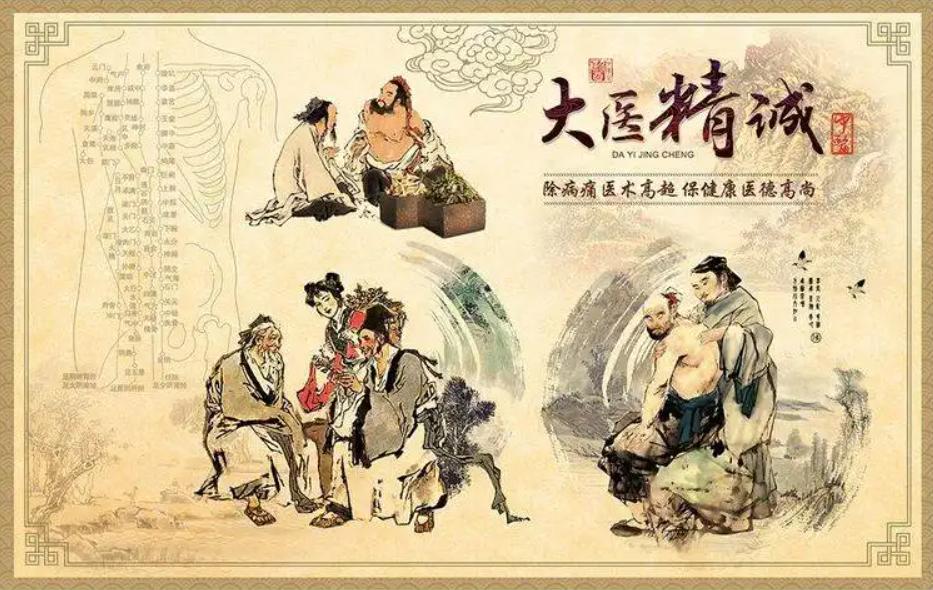
The so-called "four incurable diseases" in Traditional Chinese Medicine refer to the four conditions: "wind, consumption, distension, and obstruction."
"Wind" refers to wind-stroke, which corresponds to modern conditions like cerebral infarction or cerebral hemorrhage. Stroke remains a highly dangerous disease even today, with a sudden onset and life-threatening risks if emergency treatment is delayed. In ancient times, due to the lack of effective rescue measures and experienced physicians, it often resulted in fatalities or severe disabilities.
"Consumption" refers to lung consumption, which is modern-day pulmonary tuberculosis. Today, we recognize tuberculosis as an infectious disease, and ancient practitioners also understood this, attributing it to the invasion of "consumption parasites" and sometimes calling it "lung parasite disease." However, ancient medicine lacked specific anti-tuberculosis drugs, making the overall treatment of pulmonary tuberculosis largely ineffective. In modern times, the incidence of tuberculosis remains high, and with the increasing drug resistance of tuberculosis bacteria, contemporary diagnostic and treatment systems are also facing significant challenges.
"Distension" refers to abdominal distension, a condition that occurs in the late stages of liver disease, roughly equivalent to modern conditions like ascites due to liver cirrhosis or malignant tumors. Whether caused by cirrhosis or malignancies, ascites is a manifestation of advanced disease, considered a complex and difficult-to-treat condition in modern medicine, with a relatively poor prognosis.
"Ge" refers to dysphagia, roughly equivalent to modern esophageal cancer or cardiac cancer. Many disease names in traditional Chinese medicine are based on symptoms: "Ye" indicates choking or difficulty during swallowing, while "Ge" refers to food being rejected and unable to enter, or vomiting immediately after eating. These two manifestations precisely align with the primary symptoms of esophageal cancer and cardiac cancer. Esophageal cancer and cardiac cancer are malignant tumors with a relatively poor prognosis, especially in ancient times when medical resources were scarce, making it rare for patients to be diagnosed and treated early.
The so-called "Four Fatal Diseases" in traditional Chinese medicine does not mean they are untreatable; rather, it implies that given the medical conditions of the time, these diseases were difficult to treat and rarely curable. The term "Four Fatal Diseases" is actually incorrect; the proper term should be "Four Stubborn Diseases." Even in modern times, many diseases remain challenging to treat. For example, cancer is difficult to manage, but it is not incurable. Many patients experience relief after treatment and can even achieve a cure.
Although the "Four Fatal Diseases" are challenging to treat, traditional Chinese medicine has developed unique insights and treatment methods for these conditions through thousands of years of research.
While traditional Chinese medicine may lack effective emergency treatments for strokes, it excels in managing post-stroke sequelae. Methods such as herbal medicine, acupuncture, cupping, and massage can effectively alleviate patient suffering and promote the recovery of bodily functions. For example, patients who previously had difficulty moving or speaking can partially regain limb and language abilities through traditional Chinese medicine treatments.
Traditional Chinese Medicine categorizes pulmonary tuberculosis under the syndromes of "consumptive fatigue" or "consumptive depletion," attributing its occurrence primarily to two factors: exposure to the tubercle bacillus (痨虫) and depletion of vital energy (正气虚损). Traditional Chinese Medicine commonly employs methods to tonify deficiency and strengthen the foundation (补虚培元) to alleviate patients' uncomfortable symptoms. Some Chinese medicinal herbs also possess anti-tuberculosis and insecticidal properties.
Abdominal distension (臌胀) is a manifestation in the late stage of disease. Traditional Chinese Medicine considers abdominal distension to be characterized by deficiency of the root and excess of the branch (本虚标实), with both deficiency and excess patterns present concurrently. Treatment involves a combined approach of attacking and tonifying (攻补兼施), both supporting the vital energy and reducing ascites. The therapeutic effects of Traditional Chinese Medicine on ascites are relatively lasting, and after ascites reduction, recurrence can be absent for a long time.
Dysphagia (噎膈) remains a difficult-to-treat disease to this day; if treatment is not timely, it can quickly lead to death. In treating dysphagia, Traditional Chinese Medicine focuses on promoting qi flow, relieving stagnation, resolving phlegm, and eliminating stasis (行气开郁,化痰消瘀) in the early stage. In the later stage, emphasis shifts to supporting the vital energy (扶正), supplemented by eliminating pathogens (祛邪). In the treatment of dysphagia, protecting stomach qi (胃气) is extremely important. If stomach qi is lost, then medicine and acupuncture become ineffective. Especially in modern times, when combining Traditional Chinese Medicine with Western medical treatment, it is essential to understand that Western medical treatment primarily focuses on attacking pathogens (攻邪), which can strike the body's vital energy and damage the spleen and stomach. Therefore, it is even more crucial to protect stomach qi to help patients smoothly navigate through the treatment.
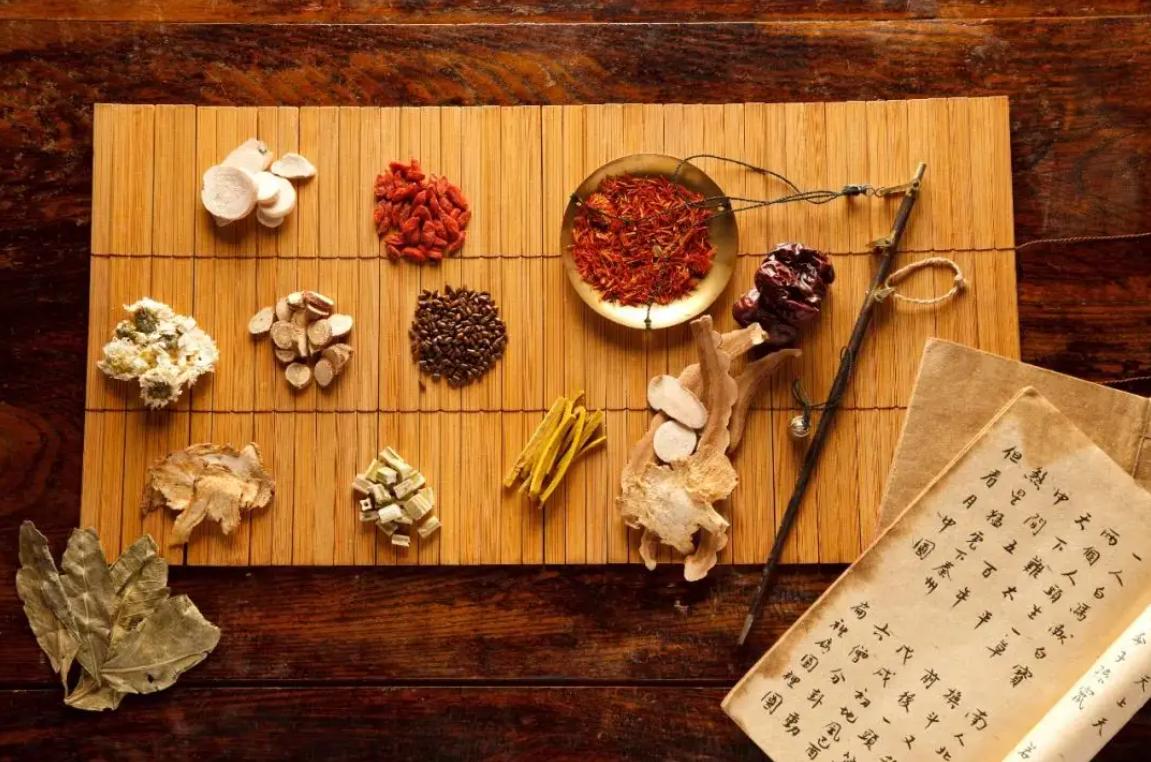
In reality, so-called "incurable diseases" are not truly incurable. With the advancement of medicine, many conditions once considered untreatable have now been cured. Even the so-called incurable diseases in modern times are not without treatment options—many illnesses we think of as incurable can now be effectively managed. So, we shouldn’t be frightened by the term "incurable disease." With today’s medical technology, while a complete cure may be difficult, dying from such conditions is also far from easy.