Classification, Causes, and Effects of Brain Tumors
It’s rare to come across popular science articles about brain tumors, so today, let’s introduce brain tumors.
Brain tumor is a colloquial term; its formal medical name is intracranial tumor, which includes primary tumors of intracranial tissues and brain metastases.
There's no need to elaborate on brain metastases, as there is ample public education on that topic. Today, we will focus mainly on primary intracranial tumors.
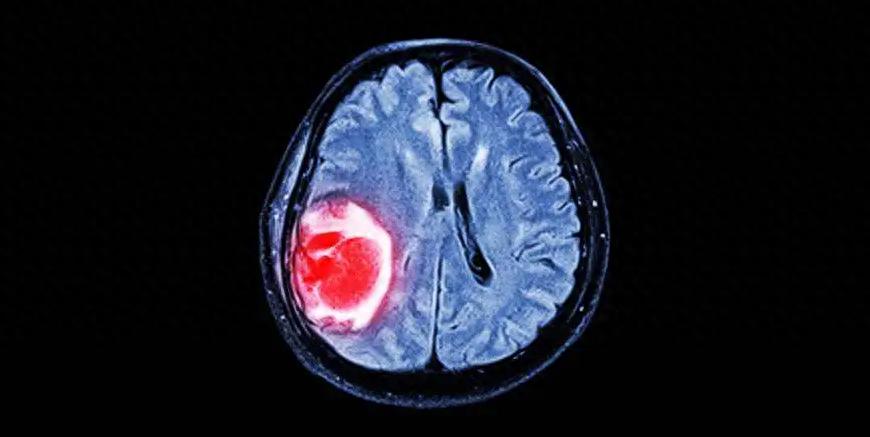
I. What is a brain tumor?
The brain itself is a crucial component of the central nervous system, so primary intracranial tumors fall under the category of nervous system tumors. They originate from the meninges, neuroepithelium, peripheral nerves, and other tissues.
Common brain tumors include meningiomas, which arise from the meninges; gliomas, which originate from the neuroepithelium; acoustic neuromas, which develop from the vestibular nerve; and germ cell tumors, which stem from primitive germ cells that have migrated to the brain.

II. Classification of Brain Tumors
The classification of tumors of the nervous system is relatively complex, encompassing both benign and malignant types.
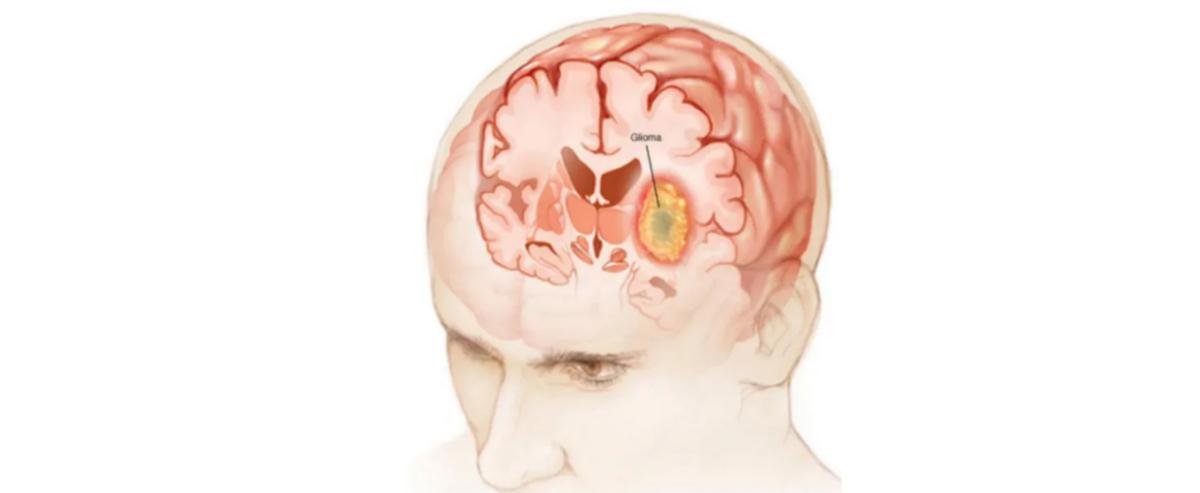
1. Gliomas
Gliomas are the most common type of brain tumor, accounting for 80% of primary intracranial malignant tumors.
Gliomas can be classified into grades I–IV, with grades I and II being low-grade gliomas, and grades III and IV being high-grade gliomas.
Gliomas can also be subdivided into specific pathological types, such as grade I subependymoma; grade II astrocytoma and oligodendroglial tumors; grade III anaplastic astrocytoma and anaplastic oligodendroglial tumors; and grade IV glioblastoma, among others.
As the grade increases, the malignancy of the tumor progressively rises.
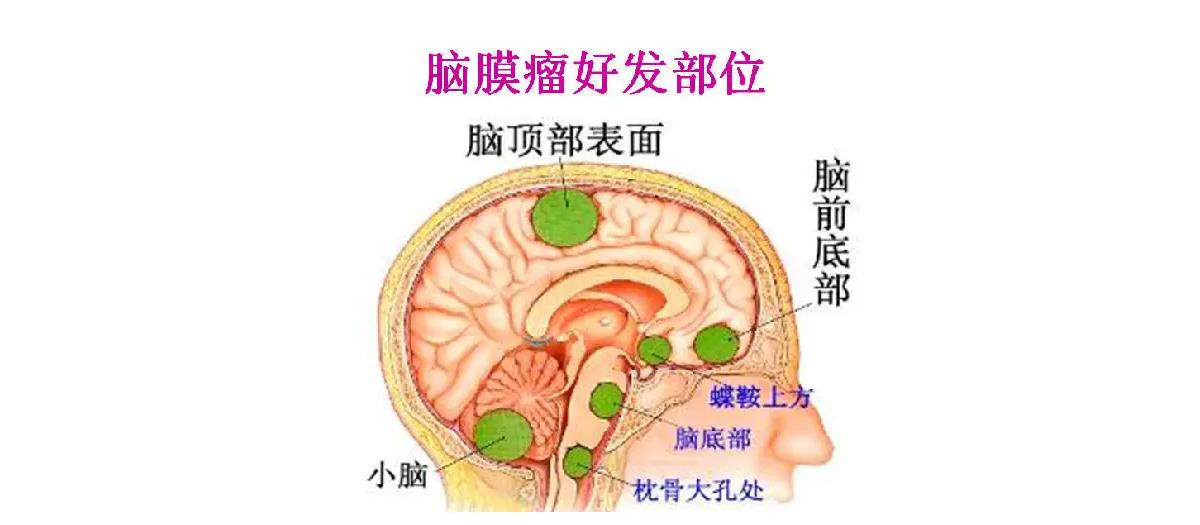
2. Meningioma
Between the human skull and brain tissue, there are three layers of membranes, which from outermost to innermost are the dura mater, arachnoid mater, and pia mater. Meningiomas originate from arachnoid cap cells and are common benign intracranial tumors, accounting for approximately 20% of intracranial tumors.
Most meningiomas are benign, but about 3% are malignant meningiomas.
Meningiomas are classified into three grades: I-III. Grade I refers to benign meningiomas, which have the longest survival period, low invasiveness, and low recurrence rate. Grade II represents atypical meningiomas, whose invasiveness and recurrence rate fall between those of benign and malignant meningiomas. Grade III indicates anaplastic or malignant meningiomas, which account for about 3% of all meningiomas and are characterized by strong invasiveness and a high recurrence rate.
3. Acoustic Neuroma
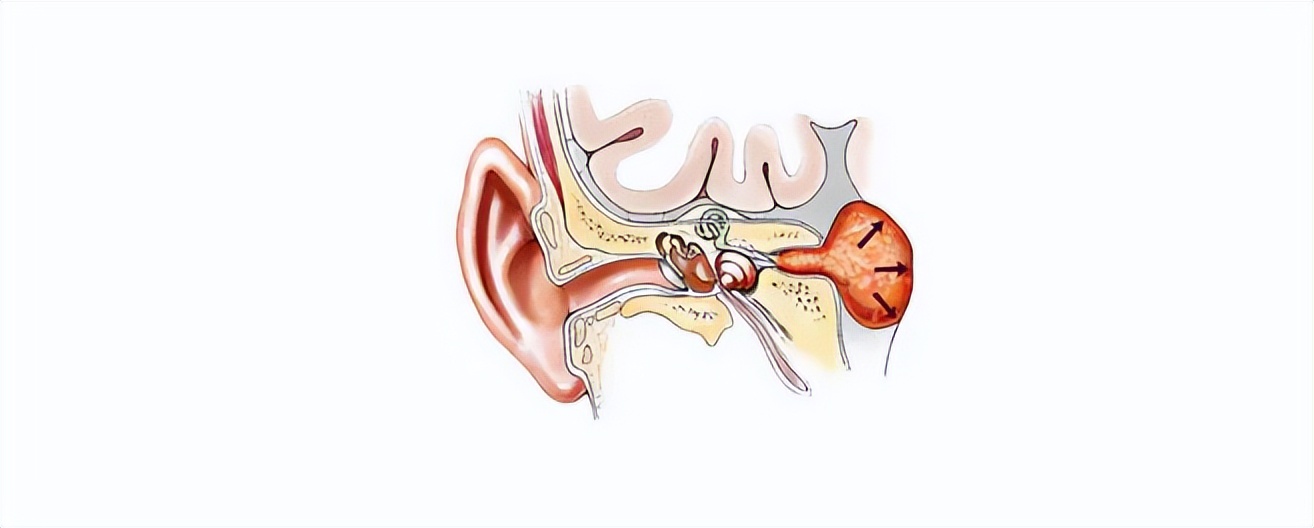
Acoustic neuroma is a benign tumor originating from the Schwann cells of the vestibular nerve sheath in the internal auditory canal, accounting for approximately 6%-8% of intracranial tumors. It is the most common tumor in the cerebellopontine angle region and is also known as vestibular schwannoma.
The tumor grows in the internal auditory canal and cerebellopontine angle region, slowly compressing the cochlear nerve and vestibular nerve, which can cause symptoms such as tinnitus, hearing loss, and vertigo.
Acoustic neuromas are classified into sporadic acoustic neuromas and neurofibromatosis type II. Sporadic acoustic neuromas are unilateral and isolated, accounting for approximately 95% of acoustic neuromas, with a later onset and are more common in adults. Neurofibromatosis type II is an autosomal dominant genetic disorder, often presenting as bilateral acoustic neuromas, with an earlier onset that can occur during adolescence or childhood.
4. Pituitary Tumor
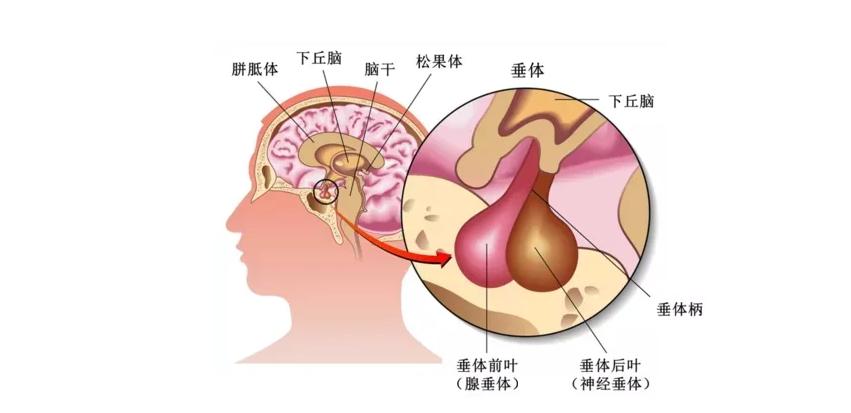
The pituitary gland is a pea-sized organ located at the base of the brain, deep behind the nose. It produces hormones that help regulate many vital bodily functions, such as growth, blood pressure, and reproduction. Despite its small size, it affects nearly every part of the body.
Pituitary tumors can be classified as functional or nonfunctional. Functional pituitary tumors are further divided into several types based on the hormones they secrete. The most common type is prolactinoma, while others include growth hormone-secreting tumors, adrenocorticotropic hormone-secreting tumors, thyroid-stimulating hormone-secreting tumors, and mixed tumors, among others.
Pituitary tumors are almost always benign, and most can be effectively managed, allowing individuals to maintain normal work and daily life.
5. Others
Other intracranial tumors include germ cell tumors, craniopharyngiomas, intracranial epidermoid cysts, and dermoid cysts.
Germ cell tumors have a low incidence rate and are malignant tumors commonly seen in children and adolescents; craniopharyngiomas also frequently occur in children, and although they are histologically benign, their growth and disease progression tend to worsen progressively; both intracranial epidermoid cysts and dermoid cysts are benign tumors that progress slowly.

III. Causes of Brain Tumors
The cause of brain tumors is not yet clear, and ionizing radiation is currently recognized as a factor that can cause brain tumors. Some other factors may increase the risk of developing brain tumors.
1. Ionizing radiation
Ionizing radiation is a significant factor in the development of meningiomas and gliomas. Studies have shown that even low doses of ionizing radiation can significantly increase the incidence of meningiomas and gliomas.

2. Embryonic Germ Cell Residue
Research suggests that the occurrence of intracranial germ cell tumors is related to residual embryonic germ cells. During human growth and development, some embryonic germ cells remain undifferentiated, persist in the brain, and gradually evolve into tumor cells.

3. Other Risk Factors
Certain allergic diseases, viral infections, neurocarcinogenic substances, use of hair dyes, craniocerebral trauma, and intake of nitrosamine compounds may all increase the risk of developing brain tumors.

IV. Impact of Brain Tumors
Many brain tumors are actually benign, but they still have a significant impact on individuals due to the unique location where they grow.
The brain is a very precise organ in the human body; even a slight injury can cause unpredictable consequences, greatly affecting the entire body.
1. Variety of symptoms
Brain tumors can present with different symptoms depending on their size and location.
For example, headache, vomiting, and visual impairment caused by increased intracranial pressure; mental disorders due to frontal lobe tumors; ataxia caused by cerebellar tumors; crossed paralysis resulting from brainstem tumors; visual field defects caused by occipital lobe tumors, and so on.
Furthermore, brain tumors can also cause symptoms such as seizures, endocrine disorders, movement disorders, sensory disturbances, speech impairments, and more.

2. Difficult Treatment
For benign brain tumors, surgery is the primary treatment approach. Patients with obvious symptoms and significant impact on daily life may opt for surgical intervention. However, brain surgery is challenging and carries high risks. In some cases, due to the tumor's large size or proximity to critical structures, complete resection may be difficult or even impossible, making treatment quite challenging for many patients.
Malignant brain tumors are even more difficult to treat. In many cases, complete tumor removal is hard to achieve, and radiotherapy and chemotherapy can significantly affect brain tissue. Tumor progression is often difficult to control in many patients. Even after complete resection, malignant brain tumors have a high recurrence rate.

3. Prognosis varies greatly.
It was previously mentioned that there are some adverse factors associated with brain tumors, which are indeed realistic concerns, but not all brain tumor patients have a poor prognosis.
Some patients with benign brain tumors have tumors located closer to the periphery, making surgical resection relatively easier, with minimal overall impact, allowing for favorable outcomes.
Additionally, some malignant brain tumors are localized and can be completely resected, or even if not fully removed, can be effectively controlled through radiation and chemotherapy, both of which can lead to a favorable prognosis.
Therefore, depending on the location, size, and pathological type of the brain tumor, there can be significant variations in prognosis.