At Fifty, One Knows the Mandate of Heaven: A Doctor's Seven Health Tips for You
At fifty, you understand the mandate of heaven. After crossing this age, you clearly feel your strength waning. Before, you could climb eight flights of stairs without a break; now, you need to rest after every floor. In the past, you could work overtime until 2 a.m. and still go to work the next day as usual. Now, forget about overtime—if you don’t take a nap at noon, you can hardly function in the afternoon.
When you reach fifty, it's the beginning of a downhill journey. It’s impossible to be as energetic and strong as you were in your youth. In your younger years, you might not have felt any physical issues—pushing your body to the limit seemed fine—but now, various health problems start to become apparent.
To achieve health and longevity, it is essential to pay special attention to your body at this stage. Below are seven recommendations from doctors for individuals over fifty:
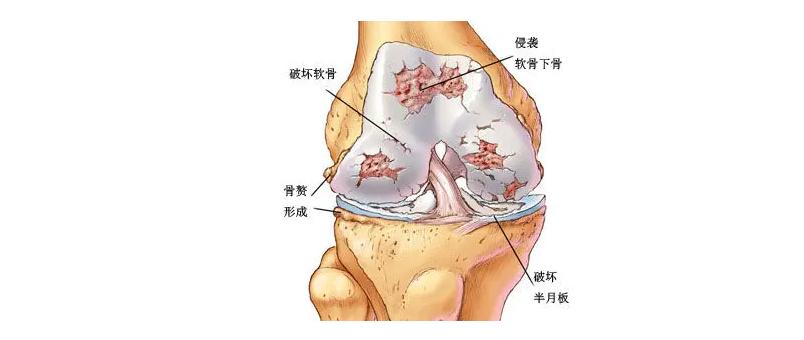
1. Take Care of Your Knees
Knees are very important. If your knees deteriorate after age fifty, it will cause many inconveniences.
First, movement becomes inconvenient. You may not be able to go to the park or pick up your grandchildren. At home, you can’t offer much help and may even require care from others.
Second, physical fitness declines. Because movement becomes difficult, exercise decreases, and physical fitness gradually declines, leading to a worsening overall health condition.
Therefore, we must pay close attention to our knees. When going up and down stairs, avoid climbing if possible. During exercise, limit heavy or intense physical activities, and keep walking or running sessions from being overly long. Instead, opt for gentle exercises like Tai Chi or Ba Duan Jin, which provide a good workout without straining the knees.
2. Supplement Calcium Early
Around age fifty, the body's hormone levels decline significantly, leading to a gradual loss of calcium, especially in women, which increases the risk of osteoporosis.
Calcium supplementation doesn't necessarily require calcium tablets. When there is no significant calcium loss, we can make adjustments through diet, exercise, and other aspects.
Foods rich in calcium include milk, yogurt, soybeans, tofu, spinach, celery, water spinach, and amaranth.
In addition, calcium absorption requires the participation of vitamin D, so it is also necessary to supplement with vitamin D. Common foods high in vitamin D include mushrooms, wood ear mushrooms, and deep-sea fish. However, the best way to supplement vitamin D is not through diet but by sunbathing, as exposure to sunlight can promote the synthesis of vitamin D in the body.
In addition to diet and sun exposure, exercise is also very important. Moderate exercise can promote blood circulation, enhance calcium absorption, and strengthen bone density.

3. Adequate Sleep
Everyone's sleep duration varies, especially as we age, and sleep tends to become shorter.
In fact, adequate sleep doesn't necessarily mean getting a full eight hours; it's about ensuring the body gets proper rest.
Waking up feeling refreshed and energetic indicates sufficient sleep.
If you wake up feeling exhausted, even after eight hours of sleep, it still means you haven’t slept enough.

4. Regular Physical Examinations
After fifty, the body gradually begins to decline, and the incidence of various diseases increases with age.
Some diseases, such as hypertension, diabetes, hyperlipidemia, and hyperuricemia, if left untreated and uncontrolled in their progression, can lead to numerous complications, threatening a person's health and life.
Other diseases, such as gastric cancer, lung cancer, and pancreatic cancer, progress rapidly and can be life-threatening if not treated promptly.
These diseases have a peak incidence around the age of fifty, so it is essential to undergo regular health check-ups during this stage to address any issues promptly.

5. Control Your Weight
The saying "A thousand taels of gold can’t buy old age slimness" holds some truth.
For elderly individuals, obesity is an unfavorable factor and can lead to the development of various diseases such as hypertension, diabetes, and cardiovascular and cerebrovascular diseases. Additionally, the heavier the body, the greater the burden on organs such as the heart, lungs, joints, and bones, increasing the risk of complications.
However, being too thin is also not good. Excessive thinness indicates poor nutritional status and weak physical constitution. Once the body experiences any health issues, the lack of nutritional support and physical reserves can pose significant risks.
6. Acknowledge Aging
Although people over fifty are not yet elderly, their physical fitness and mental state are declining and cannot compare with those of young people. Therefore, one should not refuse to acknowledge aging. When tired, rest; when sleepy, sleep. Forcing oneself to push through like a young person can easily lead to injuries or illnesses.
Acknowledging aging does not mean doing nothing at all; rather, it means accepting the decline in one's physical constitution and no longer pushing oneself too hard. However, there are still many tasks within one’s capabilities.
At fifty, retirement is still some way off; it's not yet time to completely rest, but rather, during work, one should pay more attention to one's physical health.
7. Maintain a positive mindset.
As physical fitness declines, one's mindset also undergoes changes, with many feeling old, useless, and pessimistic.
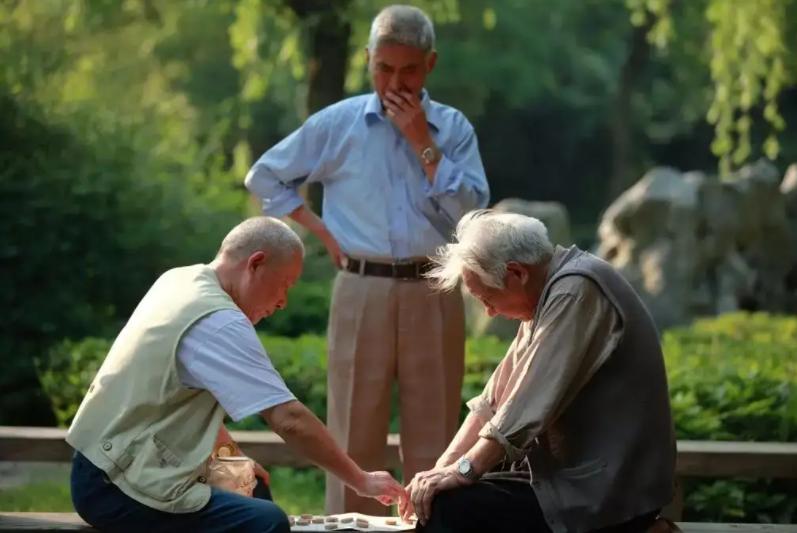
In fact, life for the elderly can be very fulfilling. With no time during working years, retirement offers ample opportunity to pursue interests, hobbies, or engage in manageable work.
Therefore, after turning fifty, it is important to adjust one's mindset and face life with optimism and positivity.