Combined Chinese and Western Medicine Treatment of Small Cell Lung Cancer
Introduction
Lung cancer can be classified into two main pathological types: small cell lung cancer and non-small cell lung cancer. Why is this distinction made? Because small cell lung cancer is a particularly unique type of lung cancer.
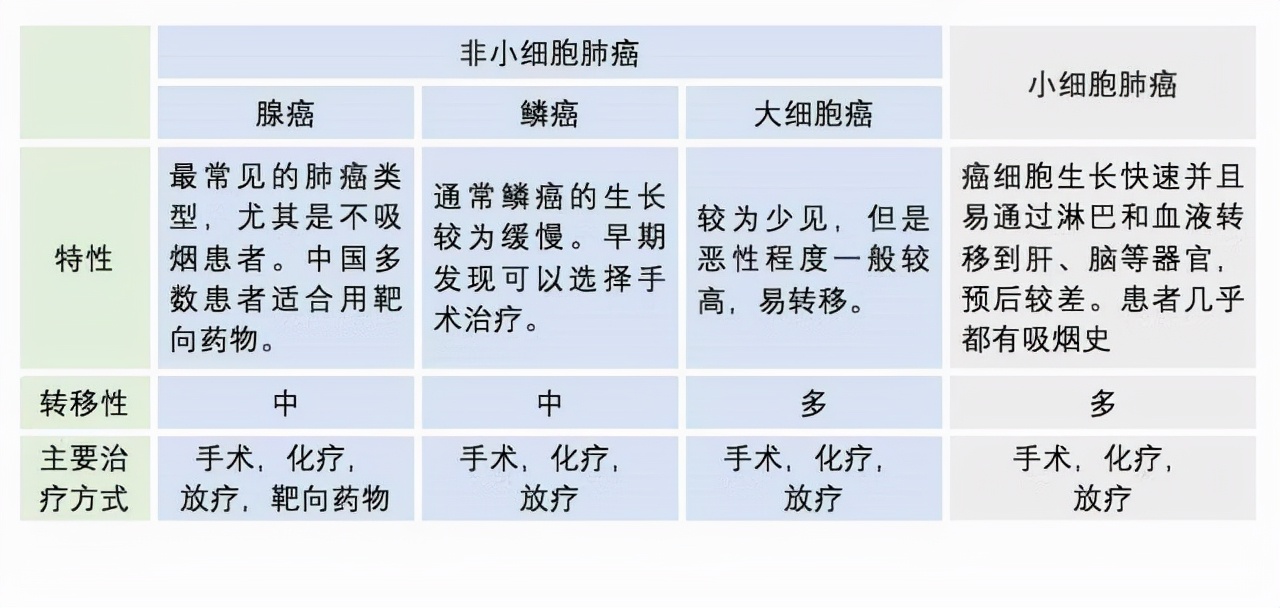
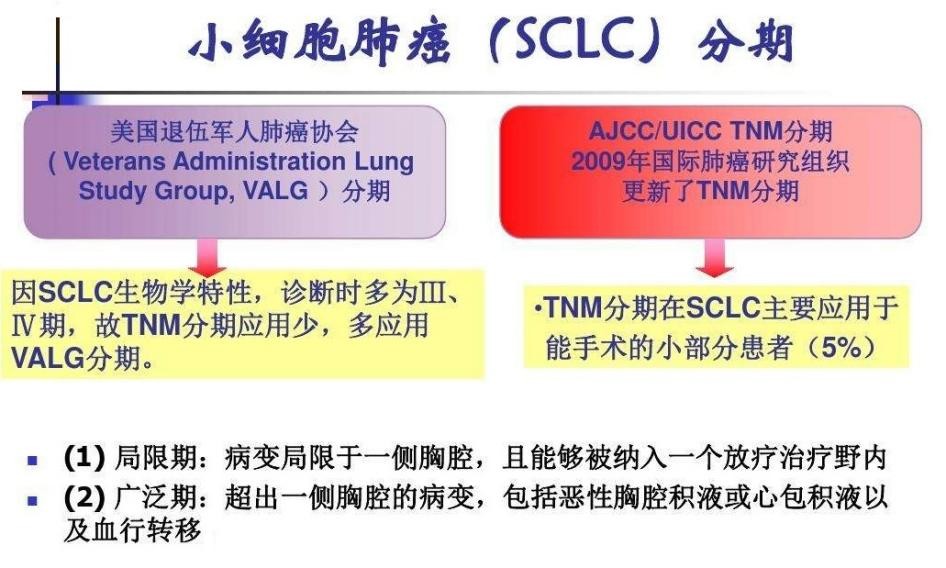
Small cell lung cancer is a highly malignant form of lung cancer. In most cases, it has already metastasized by the time it is detected. It progresses rapidly, is prone to recurrence, and has a poor prognosis. The staging of small cell lung cancer differs from that of other malignant tumors. While other malignancies are typically categorized into early, intermediate, and advanced stages, small cell lung cancer is only divided into two stages: limited stage and extensive stage.
Western Medicine Treatment
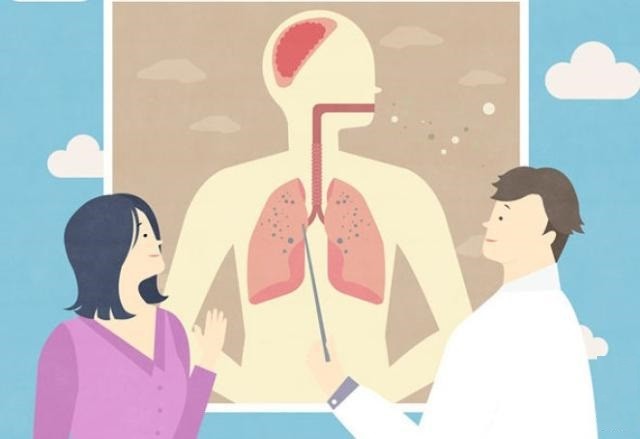
In Western medicine, the treatment options for small cell lung cancer currently include surgery, radiation therapy, chemotherapy, targeted therapy, and immunotherapy. Among these, chemotherapy and radiation therapy are the most widely used in clinical practice.
1. Chemotherapy
Chemotherapy is the primary treatment for small cell lung cancer. Both limited-stage and extensive-stage small cell lung cancer patients can undergo chemotherapy after ruling out contraindications.
Although small cell lung cancer is highly malignant, it is relatively sensitive to chemotherapy. Many patients find that tumors can be quickly controlled after receiving chemotherapy, especially those undergoing chemotherapy for the first time, where the effect is most significant.
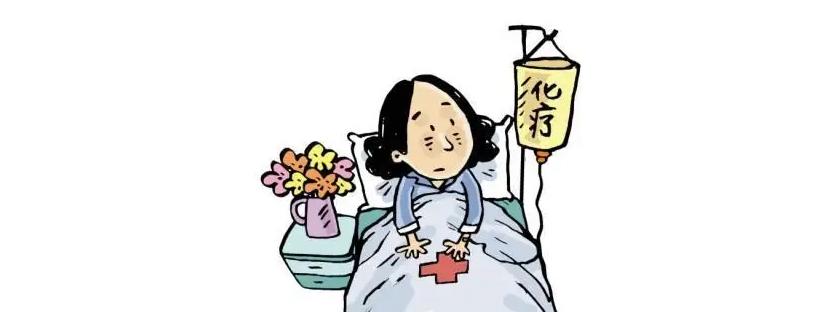
Currently, there are various chemotherapy regimens for small cell lung cancer, such as etoposide combined with platinum-based drugs, irinotecan combined with platinum-based drugs, as well as regimens that combine immunotherapy drugs, such as atezolizumab or durvalumab.
Common adverse reactions to chemotherapy include nausea, vomiting, diarrhea, constipation, bone marrow suppression, liver and kidney damage, and hair loss.
2. Radiation Therapy
Radiation therapy is also a commonly used treatment for small cell lung cancer and serves as a vital means to extend the survival period of patients. It can be applied in both limited-stage and extensive-stage disease.
Among all types of lung cancer, small cell lung cancer is the most sensitive to radiation therapy. Typically, concurrent chemoradiotherapy is employed after diagnosis. If patients cannot tolerate this approach, sequential therapy may also be considered.
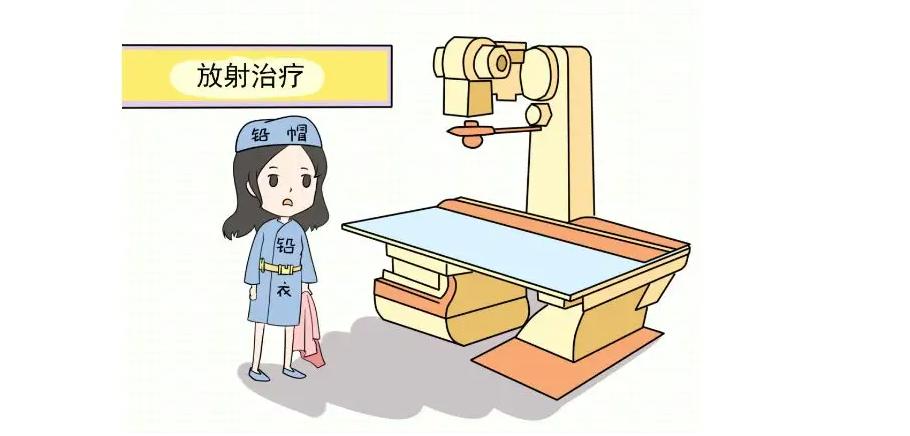
Side effects of radiotherapy for small cell lung cancer include radiation pneumonitis and radiation esophagitis, with main manifestations such as dry cough, chest tightness, chest pain, shortness of breath, fever, and in severe cases, dyspnea.
3. Surgery
Small cell lung cancer responds poorly to surgical treatment. In the past, small cell lung cancer was often detected at an advanced stage. However, with the widespread use of medical imaging technology, many patients can now be detected at a very early stage. Currently, there is a view that surgical treatment for very early-stage small cell lung cancer can also achieve relatively good outcomes.
4、Other
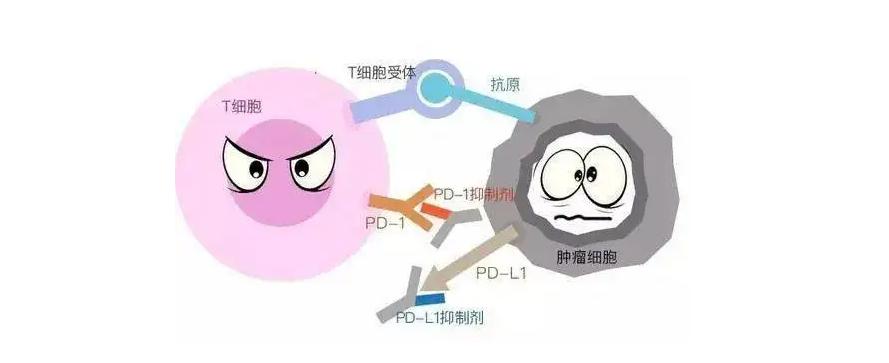
Small cell lung cancer has limited options for immunotherapy and targeted therapy drugs, which are typically used in combination with chemotherapy, such as atezolizumab, durvalumab, nivolumab, pembrolizumab, and anlotinib.
Traditional Chinese Medicine Treatment
Traditional Chinese medicine believes that the etiology and pathology of lung cancer involve internal deficiency of vital qi, insufficiency of lung qi, invasion of pathogenic toxins into the lungs, and internal accumulation of phlegm-dampness. The deficiency primarily manifests as functional disharmony of the lungs, spleen, and kidneys, which are the main organs regulating water-dampness metabolism. Dysfunction of these three organs can lead to unfavorable water-dampness metabolism, resulting in internal accumulation of phlegm-dampness. Pathogenic factors then take advantage of this deficiency, combine with phlegm-dampness, obstruct the qi dynamic, and eventually lead to pathological substances such as phlegm, dampness, stasis, and toxins blocking the lung collaterals, forming a lung mass.

From the perspective of the developmental changes in small cell lung cancer, traditional Chinese medicine believes that small cell lung cancer carries a more severe pathogenic toxin compared to other types of lung cancer. After treatment, the pathogenic toxin cannot be completely eliminated, making it prone to recurrence.
Therefore, when treating small cell lung cancer, traditional Chinese medicine not only focuses on resolving phlegm and masses, nourishing yin and replenishing qi, moistening the lungs, and relieving cough, but also emphasizes clearing residual toxins to achieve the goal of preventing recurrence and metastasis.

Traditional Chinese Medicine emphasizes treatment based on pattern differentiation. Depending on the different manifestations of symptoms, small cell lung cancer can also be classified into various types, with corresponding differences in medication. For example, for those with Yin deficiency and internal heat, the focus is on nourishing Yin and clearing heat; for those with phlegm-dampness and toxin accumulation, the approach is to fortify the spleen, resolve phlegm, and detoxify; for those with blood stasis and toxin binding, the emphasis is on regulating Qi, resolving blood stasis, and detoxifying.
Traditional Chinese Medicine also focuses on grasping the main symptoms. What are the main symptoms? Main symptoms refer to the primary manifestations of a disease. For example, some lung cancer patients mainly exhibit coughing, some primarily experience expectoration, while others mainly present with fever. These main symptoms are not only the primary manifestations of the disease but also the outward expression of the illness. By addressing these main symptoms, it not only alleviates the patient's suffering but also provides an outlet for pathogenic factors, thereby achieving rapid results.