Can targeted therapy be used with traditional Chinese medicine?
Targeted drugs have actually been used for many years, for example, rituximab launched in 1997, trastuzumab in 1998, imatinib (also known as Gleevec) in 2001, and gefitinib in 2003, among others.
In recent years, many new targeted drugs have been developed and have shown excellent clinical results, greatly promoting targeted therapy and gradually making it a conventional treatment approach.
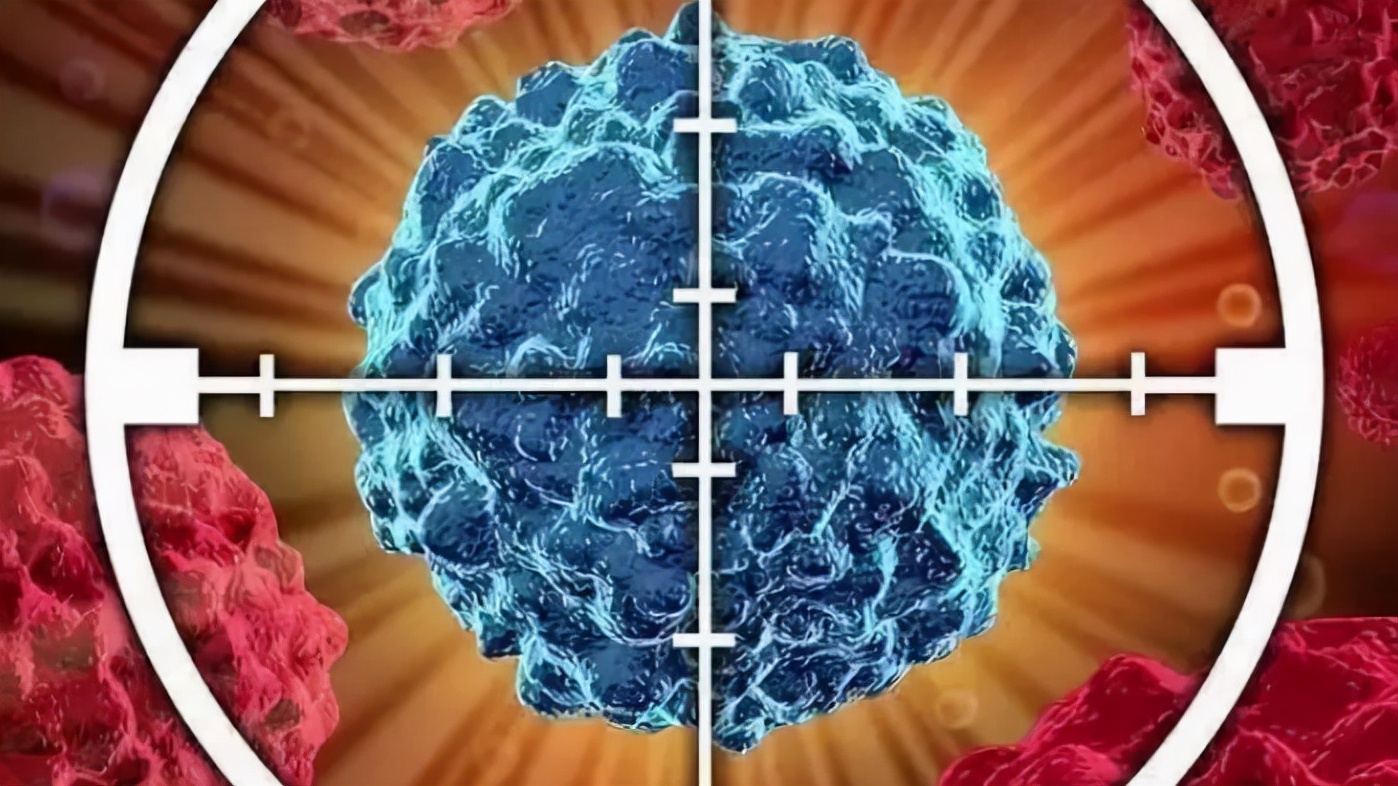
However, in clinical application, some drawbacks of targeted therapy have gradually emerged, much like chemotherapy. While it can effectively treat tumors, it also has certain effects on the body. Therefore, many people hope to combine traditional Chinese and Western medicine to address the shortcomings of targeted drugs and achieve better treatment outcomes.
To understand the combined treatment plan of traditional Chinese medicine and targeted drugs, it is first necessary to understand how targeted drugs work.
Principles of targeted therapy
Cancer can be considered a genetic disease, where normal cells undergo genetic alterations under the influence of certain tumorigenic factors, leading to the loss of normal growth regulation and resulting in abnormal proliferation.
Targeted therapy is a treatment approach at the cellular and molecular level that focuses on specific, well-defined carcinogenic sites. These sites can be a protein molecule within a tumor cell or a gene fragment. When targeted drugs enter the human body, they interact with these carcinogenic sites, causing tumor cells to die without affecting the surrounding normal cells.
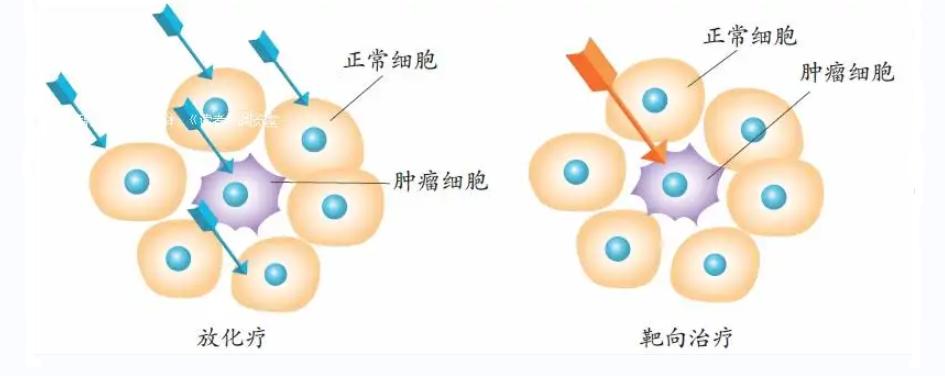
In theory, targeted therapy is an almost perfect cancer treatment method, as it specifically targets tumor cells without harming normal cells, making it an efficient and safe approach. However, in clinical applications, we have observed a gap between theory and reality.
Limitations of targeted therapy
The limitations of targeted therapy mainly lie in three aspects: efficacy, side effects, and drug resistance.
1. Effectiveness
Firstly, there is a shortage of therapeutic drugs. While current targeted therapies may seem to come in many varieties, they are only effective against known therapeutic targets, and many tumors still lack corresponding therapeutic drugs. For example, in the treatment of lung cancer, there are many targeted therapies for adenocarcinoma, but very few for squamous cell carcinoma. However, with advancements in technology, more drugs will be developed, and this deficiency will gradually be addressed.
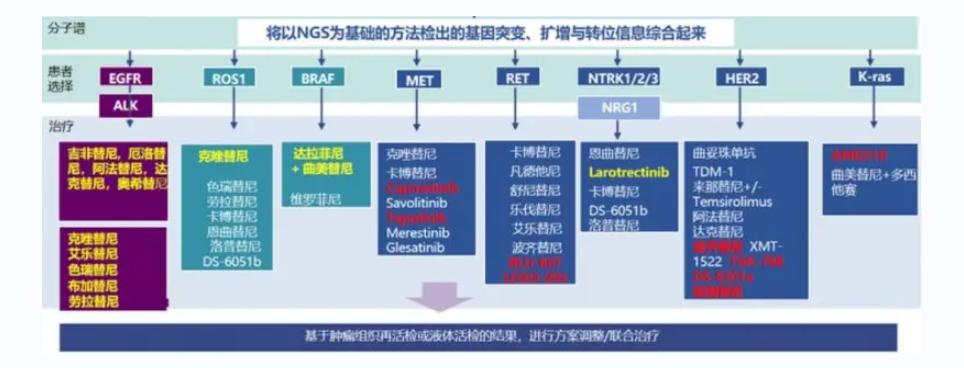
Secondly, the effectiveness after drug administration. Many cancer patients undergo genetic testing, as targeted therapy generally requires it as a guiding diagnostic tool. However, some patients do not achieve ideal outcomes even after being prescribed sensitive drugs based on test results. This situation does occur clinically because the causes and pathological processes of tumors are complex, and the presence of a specific genetic mutation does not guarantee sensitivity to the corresponding therapeutic drug. Additionally, individual constitutions vary, so reactions to the same drug may differ among patients. Nevertheless, in clinical practice, most people can achieve good results by using genetic test results to guide their medication.
2. Side Effects
In theory, targeted drugs do not affect normal cells, but in practical applications, we have found that targeted therapy drugs also have certain side effects, primarily including gastrointestinal symptoms, skin and mucosal reactions, and liver and kidney damage.
The side effects caused by different targeted drugs vary slightly, and individuals with different constitutions may experience different symptom reactions when using the same drug. Common symptoms include nausea, vomiting, diarrhea, rash, stomatitis, paronychia, and so on.
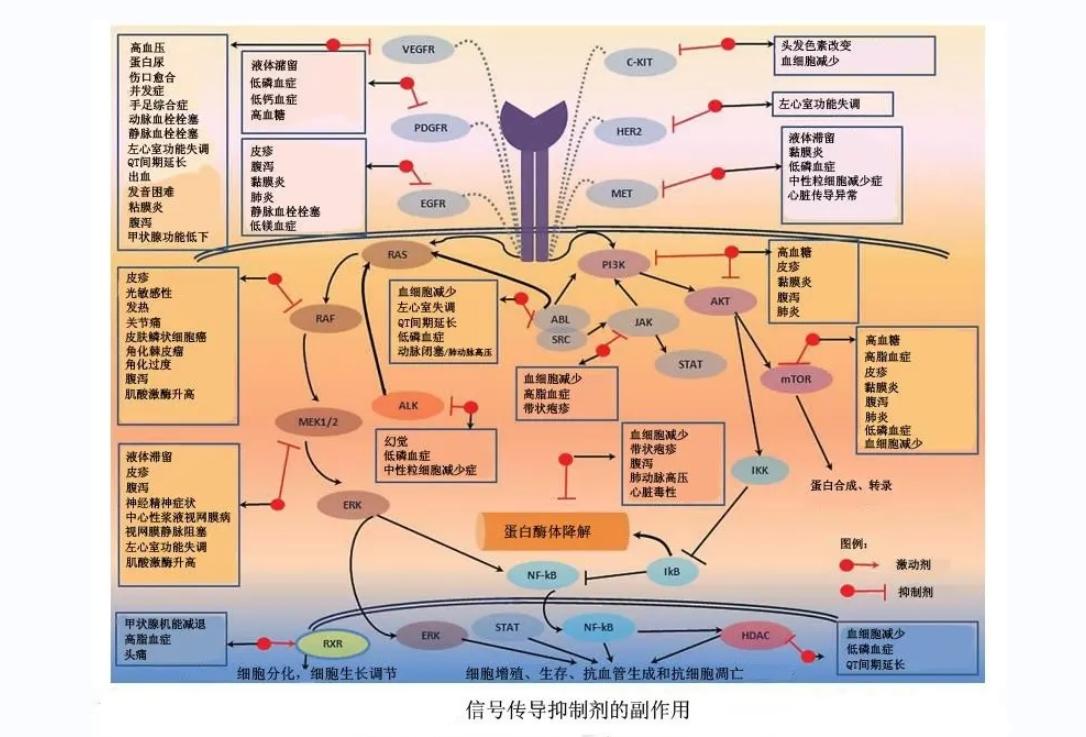
Overall, the side effects of targeted therapy are generally milder than those of chemotherapy and radiation therapy. However, some patients may experience severe adverse reactions. For example, certain patients may experience a rapid drop in platelet counts to dangerous levels after taking the medication, while others may have severe allergic reactions or acute liver injury, among other issues.
3、Drug Resistance
Many cancer patients have experienced drug resistance to targeted therapies. While targeted drugs work to kill cancer cells, the cancer cells also develop ways to evade their effects. After multiple rounds of treatment, the surviving cancer cells often develop stronger resistance. As a result, the later the stage of the cancer, the stronger the resistance tends to be, and the fewer treatment options remain available.
Generally, targeted therapy requires at least 2–3 months to take effect and be evaluated. Once drug resistance develops, it not only impacts efficacy but also delays treatment, ultimately reducing the overall therapeutic outcome.
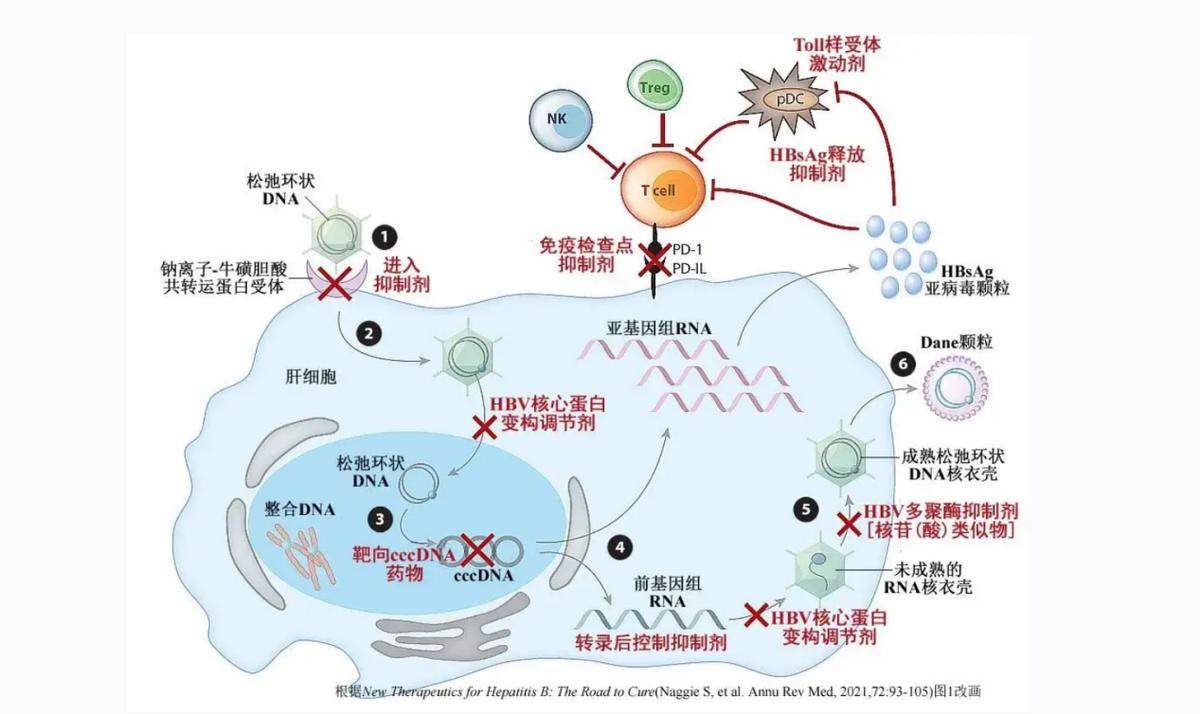
However, it is now possible to reduce the likelihood of drug resistance through combination therapies, such as chemotherapy combined with targeted therapy. This approach not only demonstrates high efficacy and strong treatment outcomes but also reduces the likelihood of resistance. Additionally, options like immunotherapy combined with targeted therapy or traditional Chinese medicine combined with targeted therapy can all further enhance the effectiveness of targeted treatments.
Combination of Traditional Chinese Medicine with Targeted Therapy
The integration of Chinese and Western medicine can address some of the shortcomings of targeted therapy, enabling it to better serve patients.
The purpose of combining traditional Chinese medicine with targeted therapy is to reduce toxicity, enhance efficacy, and prevent drug resistance. Common treatment approaches include invigorating qi and strengthening the spleen, detoxifying and dissipating nodules, nourishing yin and clearing heat, and soothing the liver and harmonizing the stomach.
Common side effects of targeted therapy, such as nausea, vomiting, diarrhea, and rashes, can be alleviated through traditional Chinese medicine treatment.

Traditional Chinese medicine treatment can enhance the effectiveness of targeted drugs to some extent while reducing toxic side effects, thereby expanding the applicability of targeted medications.
Furthermore, traditional Chinese medicine treatment, by enhancing immune function, can effectively delay the development of drug resistance, allowing patients to benefit over the long term.
Revelation
After years of research and clinical trials, it has been found that in cancer treatment, single-modality therapies have limited efficacy and often fail to address multiple aspects, making it difficult to control the tumor. However, integrated treatment can address various aspects, enabling more effective tumor control while preserving the patient's physical condition, thereby achieving better therapeutic outcomes, longer survival, and higher quality of life.
Integrated treatment represents the future trend in cancer therapy, and the research on combining traditional Chinese medicine with targeted drugs is a reflection of this trend.