Three Misconceptions about Traditional Chinese Medicine Treatment for Tumors
Nowadays, many people use Traditional Chinese Medicine to treat tumors, and it does indeed yield good results. However, many people do not fully understand this disease or TCM treatment, often leading them to fall into misconceptions.
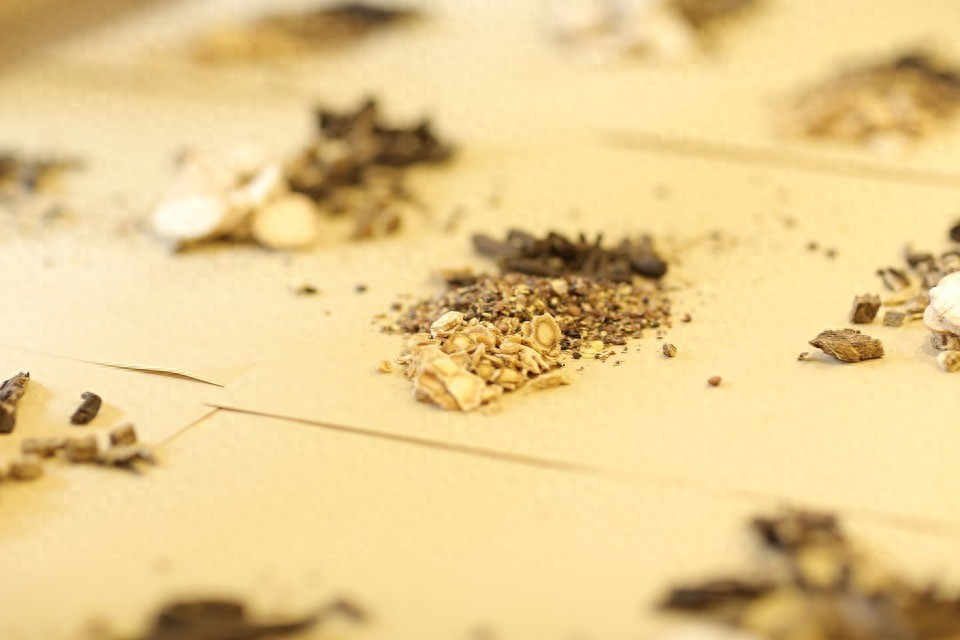
1. Seeking TCM Only at the Late Stage
In clinical practice, the most common scenario is patients seeking traditional Chinese medicine (TCM) treatment at advanced stages. These individuals can generally be categorized into several types: the first includes patients whose physical condition is too poor to undergo Western medical treatments such as surgery, radiation, or chemotherapy; the second comprises those whose disease has reached an irremediable stage where treatment is no longer meaningful; and the third consists of patients who, based on others’ advice, opt for conservative treatment.
The common characteristic among these patients is the severity of their condition, coupled with a lack of alternative treatment options, leading them to rely solely on TCM and herbal medicine.
In reality, when the disease progresses to such an advanced stage, TCM treatment cannot fundamentally resolve the problem. What it can achieve is limited to three aspects: alleviating symptoms, extending survival time, and improving quality of life. Advanced malignant tumors pose a significant challenge for both TCM and Western medicine.
However, the majority of patients with malignant tumors initially choose Western medicine as their primary treatment, only turning to TCM as a last resort. Unfortunately, this delay often means that the optimal treatment window has already passed.

2. Believing in Folk Remedies
Another common misconception among many people today is superstition regarding folk remedies. Some individuals distrust Western medical treatments, believing they cause physical harm and are unable to accept the side effects associated with surgery, chemotherapy, and radiation therapy. As a result, they superstitiously turn to folk remedies or attempt to rely solely on traditional Chinese medicine for treatment.
In fact, while traditional Chinese medicine (TCM) has minimal toxic side effects, its ability to kill tumor cells is weaker compared to radiation therapy and chemotherapy. The strength of TCM lies in its role of regulating and nourishing the body. It can alleviate symptoms, improve physical constitution, and reduce the side effects of chemotherapy. Therefore, the optimal approach for treating tumors is an integrated treatment combining TCM with Western medicine. This allows for leveraging the strengths of each approach to compensate for their respective weaknesses, offering patients the best possible therapeutic outcomes.
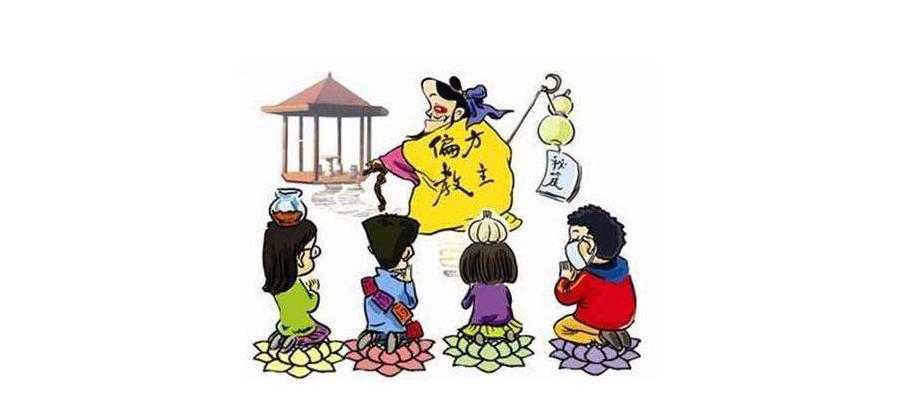
3. TCM is just a placebo
Many people believe that traditional Chinese medicine is merely a placebo, providing patients with psychological suggestion rather than having any therapeutic effect on diseases. However, in reality, sufficient experiments have confirmed that traditional Chinese medicine has achieved good results in the treatment of malignant tumors. Particularly in recent years, with research on the pharmacology of Chinese herbal medicine, numerous active anticancer components in Chinese herbs have been proven effective and applied in clinical practice.
For example, vincristine extracted from Catharanthus roseus and paclitaxel extracted from Taxus are both commonly used clinical chemotherapeutic drugs.
Therefore, whether it is Western medicine or traditional Chinese medicine, both can be used to treat malignant tumors.