Is there a relationship between lung cancer and daily diet?
Diet and Lung Cancer
While it has long been widely believed that the occurrence of lung cancer is closely linked to factors such as smoking and air pollution, recent studies have found that our daily diet also plays a significant role. Unhealthy dietary habits can potentially increase the risk of developing lung cancer.
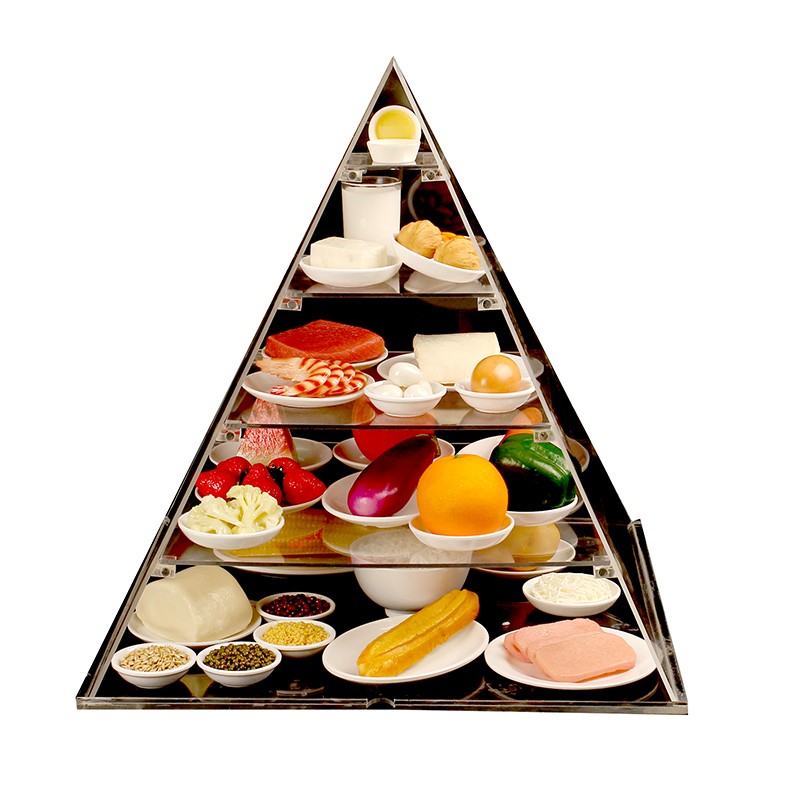
Unhealthy Diet and Cancer Onset
Unhealthy foods not only lose their original nutritional value but also produce many harmful substances. Currently, fried, barbecued, smoked, and preserved foods are recognized as unhealthy and are closely associated with the development of cancer.
For example, the high incidence of esophageal cancer in Lin County, Henan Province, is related to the locals' fondness for eating pickled vegetables. After this habit changed, the local esophageal cancer incidence rate showed a significant decline.
Gastric cancer has a high incidence in the northwest region, especially in Qinghai and Gansu, which is related to the locals' preference for preserved foods. The northwest region has fewer fresh vegetable products, so locals often consume preserved meats and pickled vegetables.
Liver cancer is highly prevalent in the southeastern region, particularly in Guangdong, Guangxi, and Hainan. This is associated with the hot and humid local environment, where food is prone to mold growth if stored for extended periods, especially Aspergillus flavus. Aflatoxin produced by Aspergillus flavus is a potent carcinogen.
Therefore, unhealthy dietary habits are a significant factor in cancer development. If we can make adjustments to our diet, we can prevent the occurrence of many cancers, and the same applies to lung cancer.
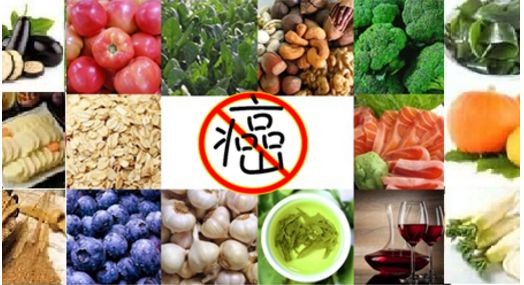
Mechanism of Lung Cancer Caused by Unhealthy Diet
Research has found that a preference for salty and preserved foods is a risk factor for lung cancer. High-salt diets can promote the proliferation of Helicobacter pylori, alter mucus viscosity, and thus increase exposure to N-nitroso compounds. Preserved foods contain higher levels of nitrites, which can form carcinogens such as nitrosamines and nitrosamides, thereby increasing the risk of cancer development.

Garlic foods can block or reduce the synthesis of carcinogens such as nitrosamines, preventing harm from toxins, toxic chemicals, heavy metals, and other carcinogens. Additionally, garlic foods are rich in trace elements like selenium and germanium, which help inhibit the growth of cancer cells.
Drinking alcohol also increases the risk of lung cancer. The mechanism by which alcohol causes cancer primarily involves interaction with harmful habits such as smoking. Alcohol undergoes redox changes first, forming free radicals, which lead to liver damage, elevated levels of sex hormones, and folic acid deficiency, ultimately producing carcinogenic effects.
Both vitamins and carotenoids are antioxidants. Excessive oxygen free radicals in the human body can cause cellular damage and lead to some chronic diseases, thereby increasing the likelihood of developing lung cancer. Vitamins and carotenoids have antioxidant effects, and consuming more vegetables and fruits rich in vitamins and carotenoids can help protect the body from the harm of oxygen free radicals.
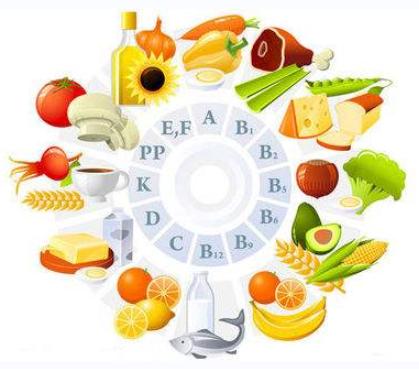
At the same time, regular tea consumption also has antioxidant effects, providing protective benefits against the development of lung cancer.
Dairy products and their derivatives are nutritionally rich foods containing carbohydrates, fatty acids, proteins, vitamins, minerals, and other nutrients. However, the impact of dairy products on human health is relatively complex, and their role in preventing cancer remains controversial.
Some studies suggest that dairy products may be beneficial for cancer prevention due to their content of various minerals and vitamins.
However, real-world statistical analysis has found that regularly consuming dairy products and their derivatives does not appear to reduce the risk of developing lung cancer, whereas consuming them infrequently may increase the risk of lung cancer.
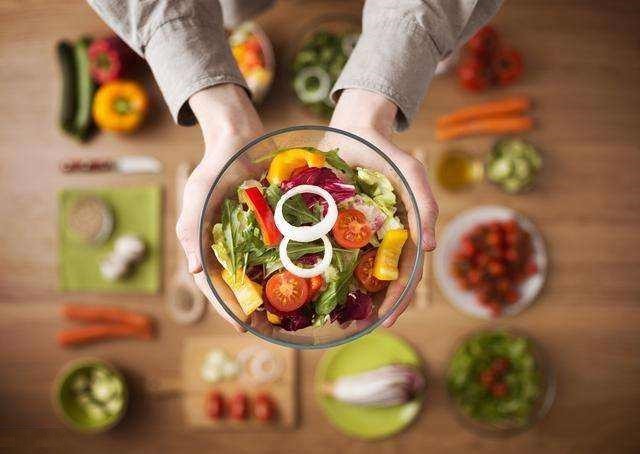
The Relationship Between Lung Cancer and Diet
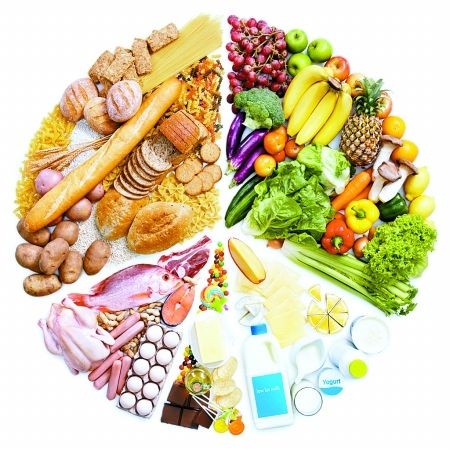
Preference for sour and spicy foods, regular consumption of garlic foods, fresh vegetables and fruits, legumes, soy products, eggs, fish, vitamins, and carotenoids, as well as frequent tea consumption are protective factors for lung cancer incidence.
Preference for salty and sweet foods, frequent consumption of pickled foods, fried, smoked, or barbecued foods, animal offal, animal fats, low intake of vegetables, fruits, dairy and its products, vitamins, and carotenoids, as well as frequent alcohol consumption are risk factors for lung cancer incidence.
Consumption of vegetable oils, regular intake of dairy and its products, meat and poultry, seafood, snails and shellfish, frequent use of supplements, and high-fat diets show no significant correlation with lung cancer incidence.
Conclusion
In summary, healthy dietary habits such as moderate alcohol consumption and increased intake of vegetables and fruits help reduce the risk of lung cancer. Additionally, cultivating good eating habits can help slow the progression of lung cancer and support its treatment.