What are the side effects of lung cancer radiotherapy?
What are the side effects of radiotherapy for lung cancer?
Radiotherapy is a common treatment method for lung cancer, and side reactions often occur during the process, with severe ones affecting the treatment. Today, we will discuss the side effects of radiotherapy for lung cancer and how to alleviate them.
Symptoms
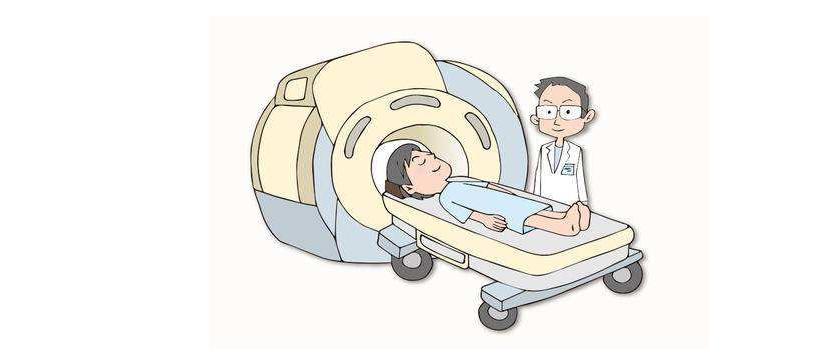
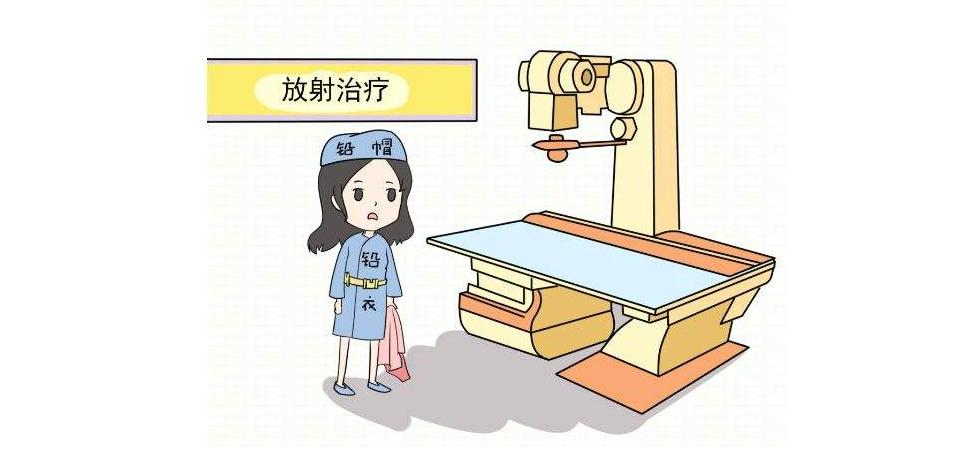
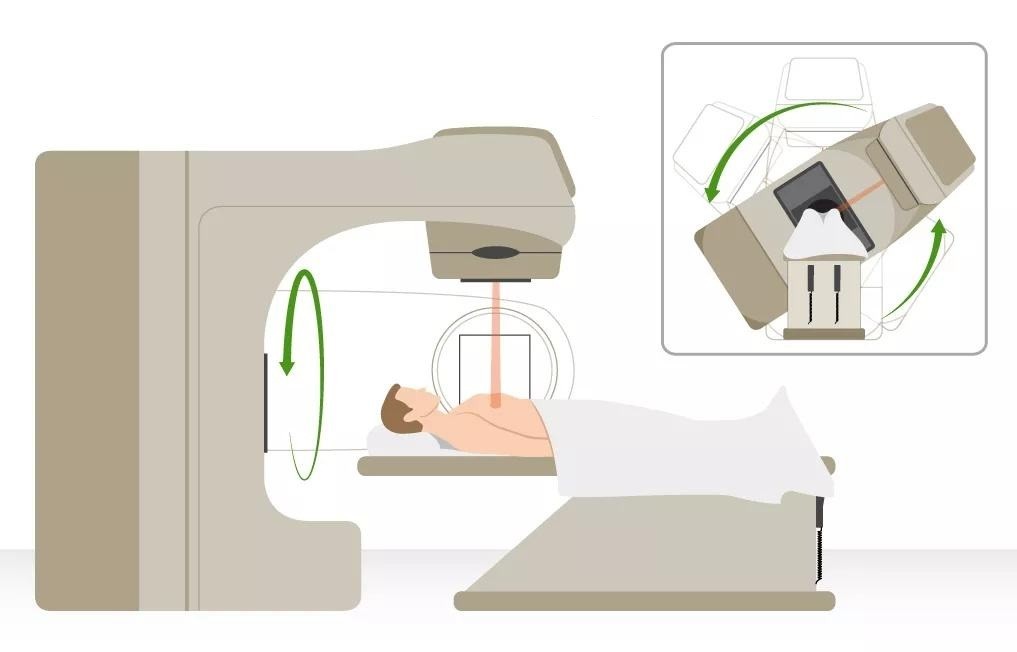
Radiotherapy is a localized treatment, and lung cancer radiotherapy mainly focuses on the lungs. If there is metastasis, radiotherapy may also be administered at the metastatic sites. However, side effects of radiotherapy can occur both locally and systemically.
1. Gastrointestinal reactions
The most common gastrointestinal reaction to lung cancer radiation therapy is nausea and vomiting, which can generally be managed with symptomatic treatment. If the reaction is more severe, intravenous fluids or even discontinuation of radiation therapy may be necessary.
2. Radiation Pneumonitis
It typically occurs 2–3 weeks after radiation therapy. Mild cases may present with only a dry cough, while severe cases can involve high fever, chest pain, and difficulty breathing. Symptoms can be alleviated with treatment, and most patients recover. However, in some patients, the condition may not be controlled, potentially leading to severe complications or even death.
3. Radiation Esophagitis
The squamous epithelium of the esophagus is relatively sensitive to radiation. Radiotherapy for lung cancer may cause radiation esophagitis due to varying degrees of esophageal exposure, presenting as swallowing pain, chest pain, fever, coughing when swallowing, etc. In later stages, dysphagia may occur due to esophageal fibrosis and stenosis.
4. Fever
Fever may result from necrosis of tumor tissue, damage to other tissues, inflammation, or bacterial infection caused by radiotherapy. If the body temperature persistently reaches 38.5°C or higher, radiotherapy should be discontinued.
5. Decreased Blood Counts
The hematopoietic system is also sensitive to radiotherapy. During radiotherapy, the division and reproduction of various hematopoietic cells in the bone marrow are inhibited, leading to a reduction in the release of mature cells, including white blood cells, red blood cells, and platelets, into the peripheral blood. Therefore, it is necessary to test blood counts weekly during radiotherapy.
6. Skin Injury
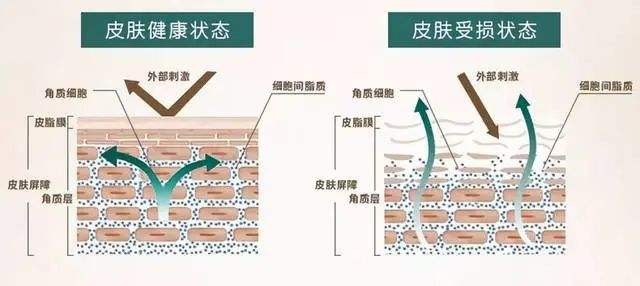
Radiotherapy delivered through the skin can cause skin reactions. Mild reactions may include erythema, burning sensation, stinging, or itching, while severe reactions may present as moist desquamation or ulceration.
Management Approaches
1. Daily Care
Maintain a light diet with low oil and salt, ensuring balanced nutrition. You may consume appetite-stimulating foods in moderation, such as hawthorn. If blood counts decline, you may appropriately eat foods with blood-nourishing effects, such as red dates, peanut skins, longan, and donkey-hide gelatin.
Drink plenty of water daily, get adequate rest, and engage in appropriate physical activity.
Protect the skin in the radiation area. Wear loose and soft underwear. Do not apply adhesive tape or use irritating medications within the radiation field. Avoid washing the local skin with alkaline substances such as soap, and do not expose it to direct sunlight.
2. Treatment
There are now various antiemetic drugs available to alleviate symptoms of nausea and vomiting, and corresponding medications are also used to address radiation-induced inflammation, fever, and decreased blood counts.
Traditional Chinese medicine views radiotherapy as a heat-toxic treatment and often uses yin-nourishing and detoxifying herbs to alleviate various side effects that arise during radiation therapy. In daily life, we can also consume more food-grade medicinal items to prevent the occurrence of side effects, such as lily bulbs, Chinese yam, lotus root, lotus leaves, pears, watermelon rind, and so on.