What Do Cancer Patients Fear Most?
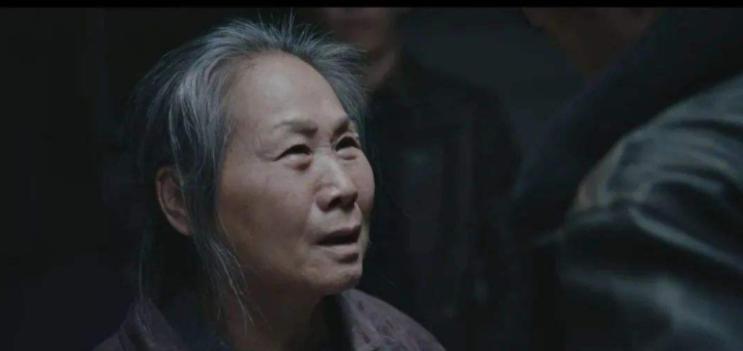
Last week, an elderly lady came to the outpatient clinic for a follow-up visit, accompanied by her son.
I asked her how she felt after taking the medicine. She replied that after taking it, she experienced many new symptoms, feeling discomfort here and there. Her tone was gentle, and she appeared to still have plenty of spirit and energy. I thought to myself, if I were her and my condition worsened after taking the medicine, I definitely wouldn’t be as calm about it. When I took her pulse, it was strong and forceful, much stronger than last time, and I immediately understood what was going on.

After prescribing the medication, the family members led the elderly patient out to pay the fees. Shortly after, the old woman's son returned, apologizing repeatedly to me. He explained that his mother had actually been doing well after taking the medication—her symptoms had improved, and she had regained some strength. However, the elderly woman was afraid of the cost and didn’t want to continue treatment, which was why she had spoken that way—she was simply looking for an excuse to stop the medication. They came from a rural area, and their family income was modest; they had already exhausted their savings to pay for her treatment. The children wanted to fulfill their filial duties, but the elderly woman didn’t want to burden them. Some people say that *Dying to Survive* portrayed a harsh reality, but sometimes reality is even harsher. After working in oncology for so many years, I’ve become accustomed to life and death, yet I still find it difficult to let go.
I recall last month in the outpatient clinic, a child came in—just eleven years old, suffering from sarcoma, and already in a very serious condition. Just by looking at him, I knew he likely didn’t have much time left. Yet I smiled warmly and told him to listen to his mother and eat well. It wasn’t until he left the examination room that I couldn’t hold back my tears. Before I graduated, I never realized that being a doctor would require acting skills.
There are many times when we feel powerless, unable to do enough for those in need. Some patients struggle to afford the high cost of medical care, some are unresponsive to medication, and others suddenly catch a cold or develop a fever—any of these can become a turning point in a life. The further I walk down this path as a doctor, the more I realize my own limitations. Having witnessed so many partings and farewells, my heart has only grown more fragile.
A senior colleague once said, “I would rather see no one in the world fall ill, even if it means the medicines on the shelf gather dust.” May every life shine brightly.