Is it better to take Chinese medicine before or after chemotherapy for lung cancer?
Does traditional Chinese medicine treatment require timing? Is it better to take Chinese medicine before or after chemotherapy?
Today, let's talk about how traditional Chinese medicine can complement Western medical treatment during the chemotherapy stage.
Characteristics of Different Chemotherapy Phases
Chemotherapy can actually be divided into three stages: before, during, and after chemotherapy. Each stage has different characteristics and treatment objectives.
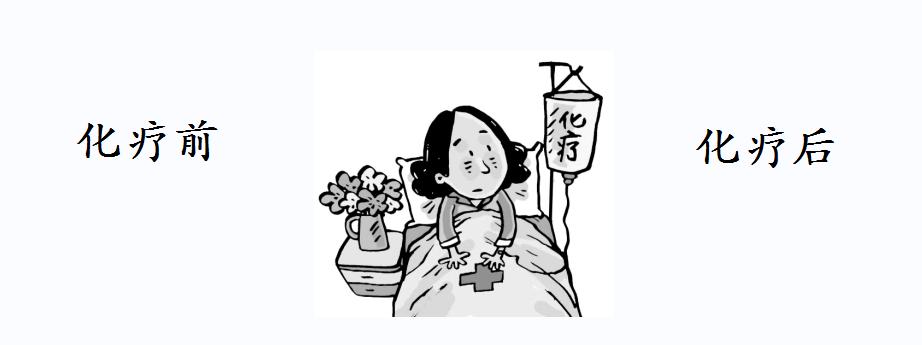
Before Chemotherapy
Chemotherapy carries certain side effects that affect the overall physical condition of the patient. Before chemotherapy begins, the patient's constitution is usually in a relatively good state. Once chemotherapy starts, physical health is likely to decline progressively. Therefore, at this stage, the main purpose of Traditional Chinese Medicine is to build up physical strength in preparation for chemotherapy and to ensure its smooth progression.
During Chemotherapy
During chemotherapy, under the influence of chemotherapy drugs, the body's condition gradually declines, and various side effects emerge one after another. At this point, the goal of Traditional Chinese Medicine (TCM) treatment shifts to alleviating symptoms, maintaining physical strength, and striving to ensure the smooth completion of chemotherapy.
In addition to alleviating symptoms and maintaining physical strength, TCM and herbal medicine also play another important role: reducing toxicity and enhancing efficacy. That is, they help reduce the toxicity of chemotherapy while increasing its therapeutic effects.
After Chemotherapy
After chemotherapy ends, many side effects will gradually subside, but some symptoms may persist long-term, such as numbness in the hands and feet and hyperpigmentation. At this stage, traditional Chinese medicine shifts its focus to promote physical recovery, alleviate side effects, and conduct anti-tumor treatment to prevent recurrence and metastasis.
Treatment Methods at Different Stages
Depending on the characteristics of each stage and the differing treatment goals, traditional Chinese medicine offers different treatment approaches.
The purpose of using traditional Chinese medicine before chemotherapy is to prepare the body for chemotherapy, so the focus is not primarily on alleviating symptoms. Medications often involve tonifying herbs that strengthen the spleen, dispel dampness, warm yang, tonify the kidneys, replenish qi, and nourish blood.
If the patient’s symptoms are more pronounced, other Chinese medicines may be used to alleviate symptoms, but this is not the main treatment approach.
During chemotherapy, the primary goals are to alleviate symptoms and maintain physical strength, aiming to complete the chemotherapy smoothly. Therefore, symptom-based adjustment is an important direction of traditional Chinese medicine treatment during chemotherapy.
Chemotherapy can cause many side effects, such as gastrointestinal reactions, bone marrow suppression, peripheral neurotoxicity, and more. To address these side effects, treatments like harmonizing the stomach and descending adverse qi, strengthening the spleen and tonifying the kidney, nourishing blood and generating marrow, warming the channels and unblocking vessels, and promoting blood circulation and dissipating blood stasis can be applied.
Conserving energy remains crucial during chemotherapy, as it helps patients maintain a tolerable condition and complete the treatment smoothly. Therefore, Chinese herbal medicines that strengthen the spleen, tonify the kidney, replenish qi, and nourish blood are still necessary.
Reducing toxicity while enhancing efficacy is one advantage of combining Chinese medicine with chemotherapy. Traditional Chinese medicine views the mechanism of chemotherapy drugs as "using poison to attack poison." A distinctive feature of TCM is its ability to reduce toxicity and increase efficacy through the combination of herbs, achieving twice the result with half the effort.
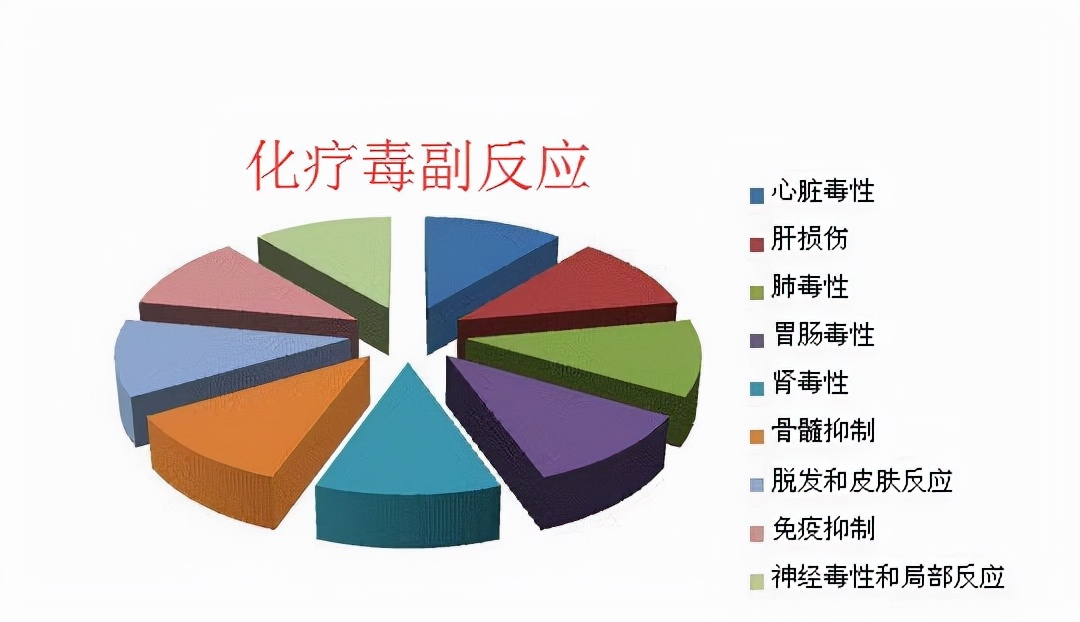
Some symptoms can persist for a long time after chemotherapy, such as numbness in the hands and feet and pigmentation. Managing these symptoms is just one aspect of Traditional Chinese Medicine treatment, and methods such as warming the meridians, promoting circulation, and removing stasis can still be used.
When chemotherapy has just ended, the body's condition is relatively poor, so the focus should be on physical recovery while eliminating the residual toxicity of chemotherapy to reduce harm to the body. Common approaches during this phase include strengthening the spleen and kidneys, replenishing qi and nourishing blood, combined with herbs that clear heat, detoxify, remove dampness, and promote circulation.
As the body gradually recovers, the focus should shift to anti-tumor treatment, aiming to prevent recurrence and metastasis. Traditional Chinese Medicine commonly uses methods such as reducing swelling and dispersing masses, clearing heat and detoxifying, regulating qi, and resolving blood stasis.
Conclusion
From the above explanation, we can see that traditional Chinese medicine can be integrated into all stages of lung cancer chemotherapy, creating favorable conditions for the smooth progression of the treatment and alleviating the patient's suffering.
Combined traditional Chinese and Western medicine treatment for lung cancer has achieved excellent clinical outcomes and gained widespread recognition in the medical community, but it has long lacked authoritative guidelines.
In November 2021, the Journal of Oncology in Chinese Medicine published the Expert Consensus on Integrated Traditional Chinese and Western Medicine Diagnosis and Treatment of Lung Cancer, which represents exploratory and practical efforts in advancing integrated Chinese and Western medicine diagnosis and treatment in China, providing more options for lung cancer therapy.