The Source of Liver Cancer - Aflatoxin, How to Prevent It?
According to a report on People's Daily Online, a 23-year-old woman returned to her hometown to help harvest corn and subsequently suffered from persistent coughing and wheezing for over a month. Upon examination, it was discovered that her lungs were filled with Aspergillus flavus mold.
According to the woman's recollection, she was primarily responsible for bagging the sun-dried corn, some of which may have become moldy due to exposure to rain. However, she did not take any protective measures during the process.

Aspergillus flavus and Aflatoxin
Aspergillus flavus is a saprophytic mold widely distributed worldwide. Most species are non-pathogenic and commonly used as starter cultures in the fermentation industry. However, approximately 30%-60% of these strains can produce aflatoxin.
Aflatoxin is a potent carcinogen, primarily including types B1, B2, G1, G2, M1, and M2. Among these, aflatoxin B1 is the most toxic and carcinogenic chemical substance discovered to date. In food testing, aflatoxin B1 is commonly used as an indicator of contamination.
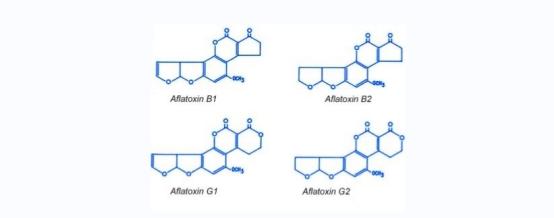
In addition to its carcinogenic effects, aflatoxin also exhibits mutagenic and teratogenic properties. It can further damage the immune system, leading to thymic dysplasia and lymphocyte depletion.
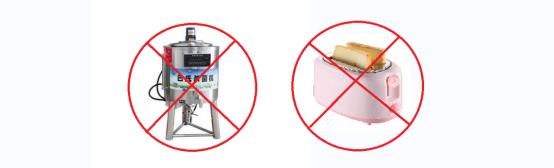
Furthermore, aflatoxin itself is highly heat-resistant; only prolonged exposure to high temperatures, such as autoclaving or calcination, can inactivate most of it. Under normal conditions, the heat used in pasteurization or baking bread is insufficient to completely deactivate aflatoxin.
Toxicity Hazards
Although aflatoxin is highly toxic, acute poisoning only occurs when a large amount of mold-contaminated food containing aflatoxin is ingested at once. Common cases of aflatoxin poisoning often result from chronic exposure to subacute doses, leading to conditions such as cirrhosis and hepatic fibrosis.
In fact, it is not only moldy food—grains and peanuts contaminated with dust during transportation that subsequently become moldy may also contain aflatoxin, posing risks to human health.
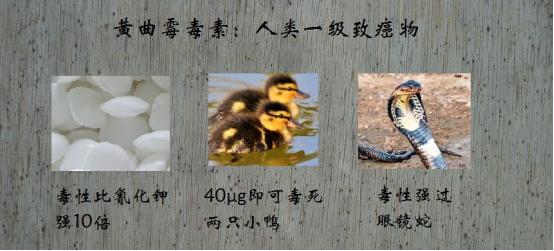
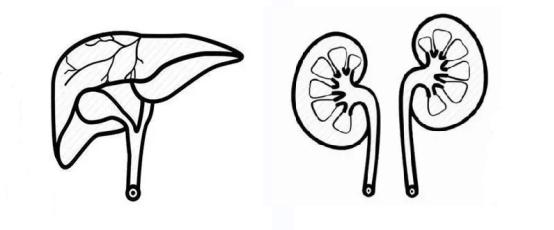
For humans, the target organ of aflatoxin is the liver. It can gradually accumulate in the liver, myocardium, and muscles, increasing its toxicity. Long-term consumption of food containing trace amounts of aflatoxin can lead to its accumulation in the human body, ultimately resulting in liver cancer, and in severe cases, death.
Besides the liver, aflatoxin poisoning can also cause kidney damage, mainly characterized by degeneration and necrosis of renal tubular epithelial cells, along with the formation of casts.
Poisoning Manifestations
The symptoms of aflatoxin poisoning are primarily due to liver damage. The most common are digestive symptoms, and severe cases may present with edema, coma, and even death.
Early symptoms of poisoning may include stomach discomfort, abdominal distension, loss of appetite, vomiting, hyperactive bowel sounds, transient fever, and jaundice.
In severe cases, hepatosplenomegaly, liver area pain, yellow discoloration of the skin and mucous membranes, abdominal ascites, lower limb edema, jaundice, and hematuria may appear within 2–3 weeks. Cardiac enlargement, pulmonary edema, gastrointestinal bleeding, coma, and even death may also occur.

Treatment Methods
There is currently no specific antidote for aflatoxin poisoning, and treatment primarily focuses on symptomatic management and protecting the liver and kidneys.
1. Removal of Toxins
For early-stage poisoning, methods such as inducing vomiting, gastric lavage, and catharsis are commonly used. When necessary, enemas may also be performed to promote the elimination of toxins.
2. Protecting the Liver and Kidneys
Aflatoxin poisoning primarily causes damage to the liver and kidneys. Therefore, for acute poisoning cases, treatment may include high doses of vitamin C and B vitamins, energy mixtures, and hepatoprotective drugs.
3. Symptomatic Treatment
Including spasmolysis, analgesia, diuresis, correction of water-electrolyte imbalances, and hemodialysis when necessary.
4. Antifungal Drugs
Some antifungal medications have a certain effect on aflatoxin poisoning, such as amphotericin B, griseofulvin, and nystatin.

Prevention
In China, aflatoxin contamination is severe in the Yangtze River and southern regions, while it is relatively mild in the northern provinces. Among various food products, peanuts, peanut oil, and corn are most seriously contaminated, followed by rice, wheat, and flour, whereas legumes are rarely affected.
To prevent aflatoxin poisoning, we need to pay attention to the following points in our daily lives:

1. Do not eat moldy food
When buying rice, flour, nuts, etc., try to choose small packages and avoid storing them for too long. Before use, open the packaging and inspect it. If there is any unusual odor, discard it immediately. Do not consume grains or peanuts that show obvious signs of mold or damage.
2. Eat more fresh vegetables
Studies have shown that substances like chlorophyll in vegetables can effectively reduce the toxicity of aflatoxins and decrease the absorption of aflatoxins by the human body.
3. Cooking with a pressure cooker
Aflatoxins themselves are highly heat-resistant, but using a pressure cooker to cook rice can partially reduce their toxicity.
4、Repeatedly rinse the rice
Aflatoxin in rice is mainly distributed on the surface layer. Before consumption, it should be thoroughly rubbed and washed clean. Washing rice by hand for 3-4 times can remove 80% of the aflatoxin.
5. Add salt after the oil is heated
Vegetable oil stored for a long time may produce a small amount of aflatoxin. Therefore, do not hoard oil or consume raw cooking oil. When stir-frying, add an appropriate amount of salt after heating the oil. The iodides in salt can partially reduce the toxicity of aflatoxin.