How Effective is TCM Conditioning After Breast Cancer Surgery?
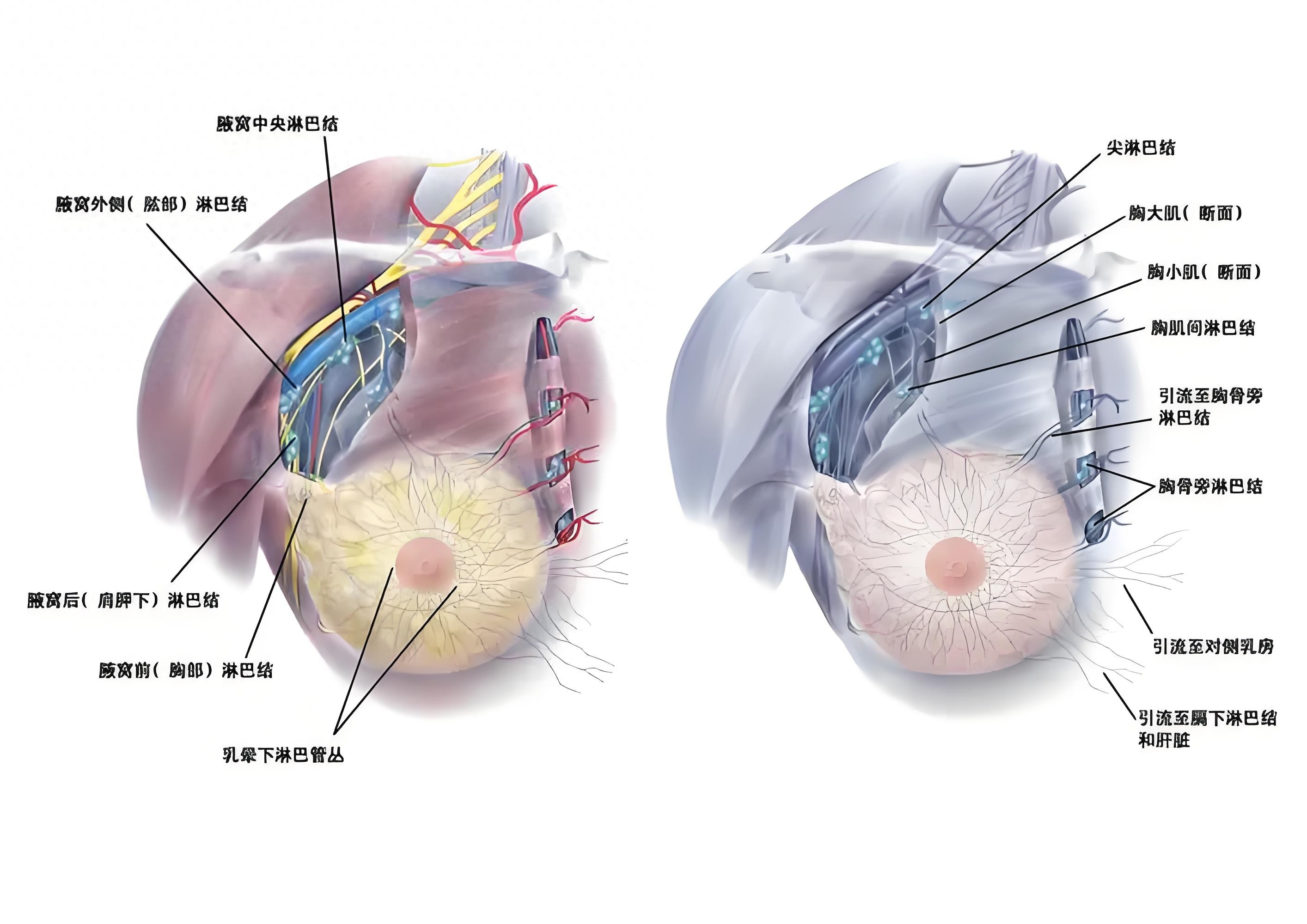
Breast cancer is a malignant tumor that occurs in the breast, falling within the category of "Breast Rock" in Traditional Chinese Medicine (TCM). It can be caused by factors such as emotional imbalance, improper diet, disharmony of the Chong and Ren meridians, and congenital insufficiency.
Indeed, TCM medical records and ancient texts document cases of Breast Rock being cured solely through TCM. However, given the current state of medical practice, the principle for treating breast cancer is to first opt for surgery. TCM treatment constitutes a crucial component of the comprehensive therapy for breast cancer. Depending on the patient's condition, TCM can be used as an adjunctive treatment in early-stage, advanced-stage, and post-operative breast cancer cases. In the early stages, patterns such as Liver Stagnation and Phlegm Coagulation, Disharmony of the Chong and Ren Meridians, and Deficiency of Vital Qi with Abundant Toxicity are commonly observed. The treatment principles vary based on the specific pattern. For example, for Liver Stagnation and Phlegm Coagulation, the approach should involve soothing the liver to relieve depression, resolving phlegm, and dispersing masses. For Disharmony of the Chong and Ren Meridians, the focus should be on regulating the Chong and Ren meridians, promoting qi circulation, and dispersing masses. For Deficiency of Vital Qi with Abundant Toxicity, the strategy involves regulating and tonifying qi and blood, clearing heat, and detoxifying. In advanced stages or post-operatively, patterns like Dual Deficiency of Qi and Blood and Deficiency of the Spleen and Stomach are more common. For Dual Deficiency of Qi and Blood, the treatment should supplement qi and blood, calm the heart, and soothe the spirit. For Deficiency of the Spleen and Stomach, the approach aims to strengthen the spleen and harmonize the stomach.
Generally speaking, traditional Chinese medicine has a beneficial regulatory and therapeutic effect for patients with advanced breast cancer or those who have undergone surgery. Moreover, traditional Chinese medicine can also enhance the efficacy and reduce the toxicity of radiotherapy and chemotherapy, significantly extending the patient's lifespan or improving their quality of life.
Therefore, traditional Chinese medicine does offer certain therapeutic effects for breast cancer, but surgical treatment remains the preferred treatment method for breast cancer. Breast cancer patients should primarily rely on surgical treatment, with traditional Chinese medicine serving as an adjunctive therapy.