What are the symptoms of small cell lung cancer?
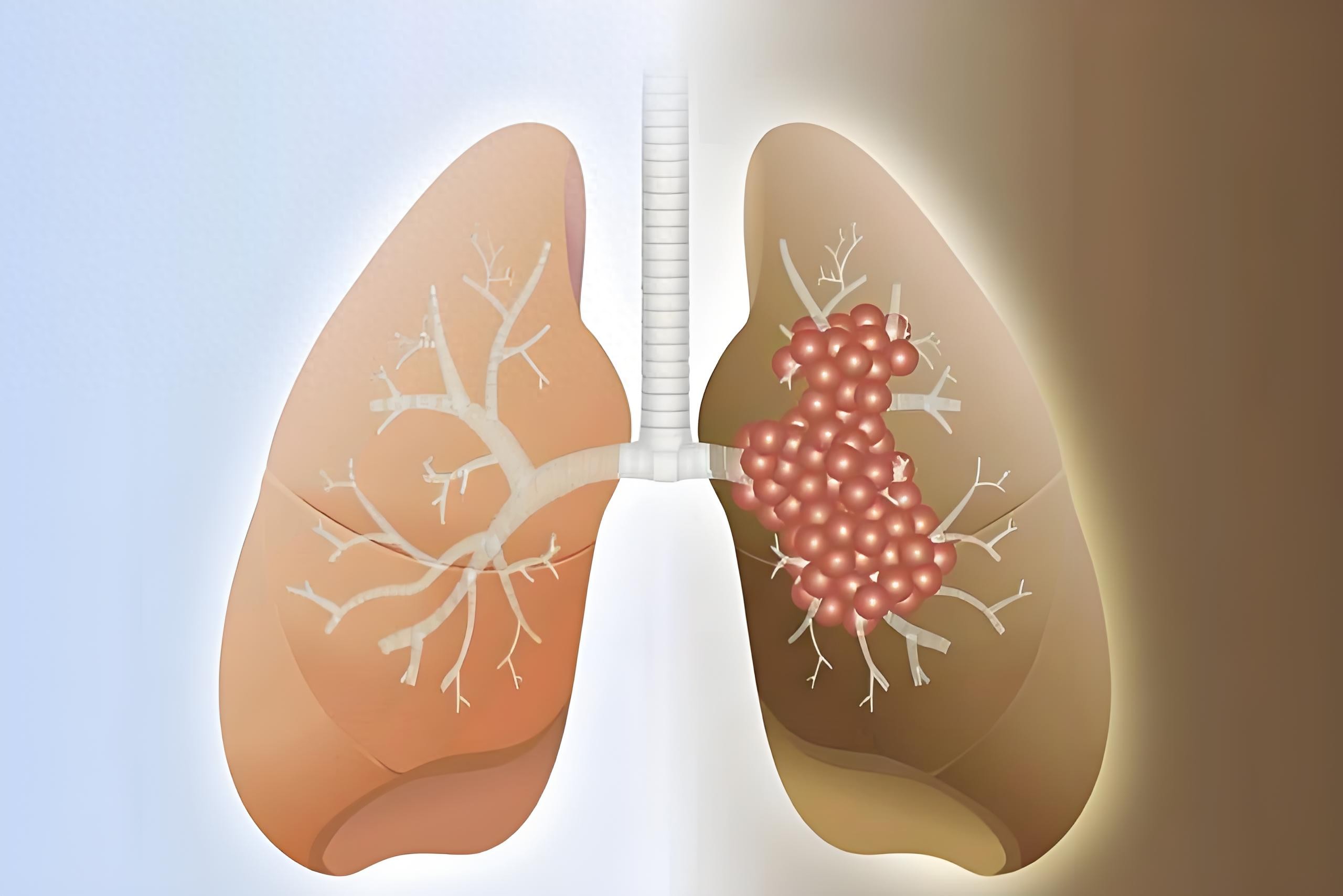
Common clinical manifestations of small cell lung cancer include cough, blood-streaked sputum, fever, chest pain, shortness of breath, hoarseness, pleural effusion, among others.
1. Cough
Small cell lung cancer can affect the large airways, and patients may experience irritative dry cough, irritative choking cough, high-pitched metallic cough, and other conditions.
2. Blood in Sputum
Small cell lung cancer is highly invasive and has low cell differentiation. In the early stages, it may present with sputum production, which could contain blood streaks or clots. In severe cases, patients may also experience massive hemoptysis.
3. Fever
If tumor tissue undergoes necrosis, it may induce obstructive pneumonia, leading to fever symptoms.
4. Chest pain
The tumor may invade the pleura, causing chest pain, which can sometimes be persistent dull pain.
5. Shortness of breath
If small cell lung cancer causes partial blockage of the airway, the patient may experience symptoms of difficulty breathing.
6. Hoarseness
If the tumor tissue compresses the recurrent laryngeal nerve, the patient may experience hoarseness.
7. Pleural effusion
If the tumor involves the pleura or obstructs pulmonary lymphatic drainage, the patient may develop pleural effusion.
Special Reminder: The above clinical presentation information is for educational purposes only and should not be used for self-diagnosis of small cell lung cancer. If you experience any discomfort, please seek timely medical attention.