What foods should be avoided in the diet for colon cancer?
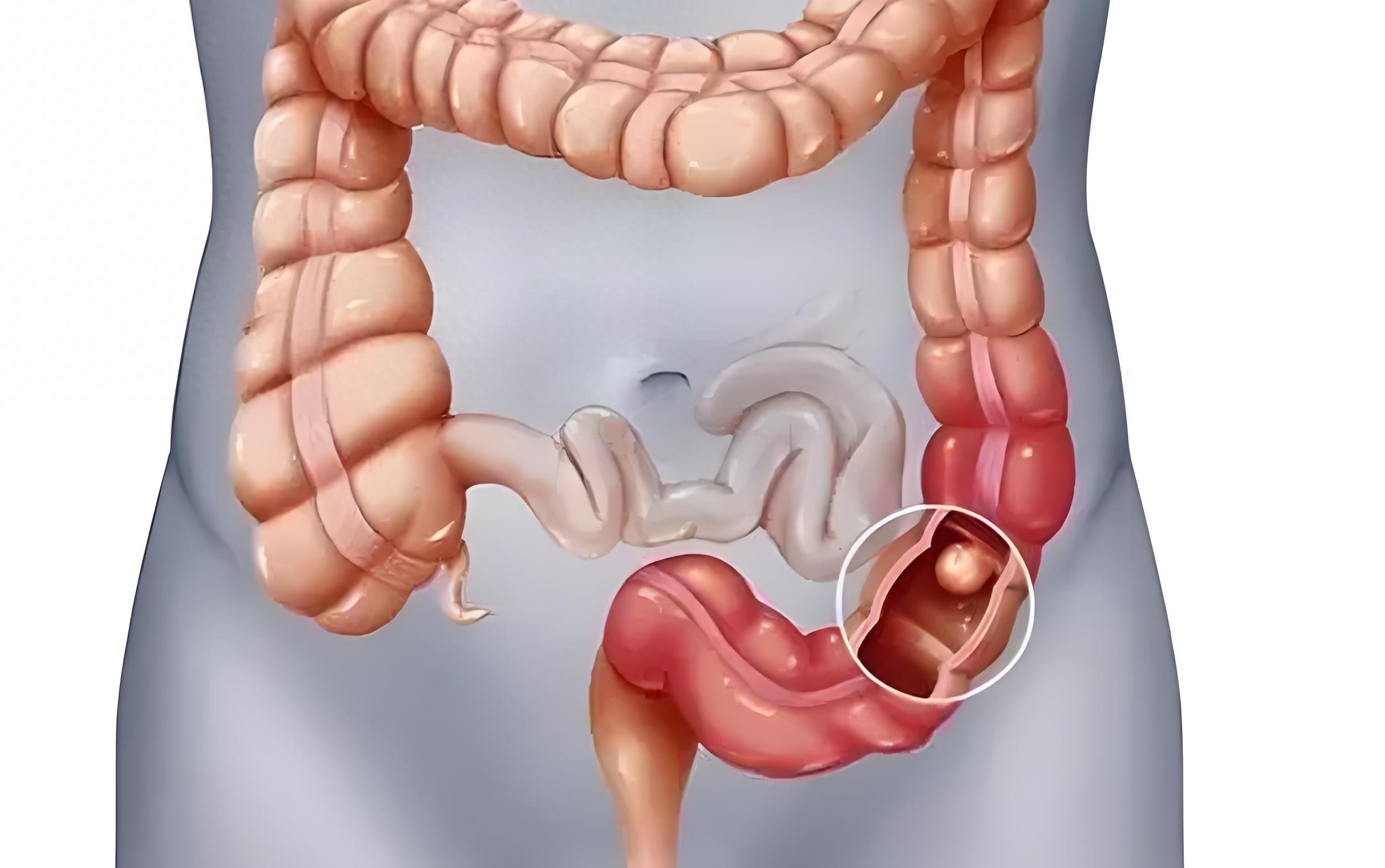
Patients with colon cancer should avoid foods that are high in fat, high in sugar, smoked or grilled, gas-promoting, rough, spicy, or irritating.
The development of colon cancer is closely related to a high-fat, low-fiber diet, so special attention must be paid to dietary habits. Patients with colon cancer should avoid greasy foods that are excessively high in fat, such as fatty meats and fried foods; steer clear of overly rough diets to prevent stimulating tumor rupture; avoid consuming spicy, irritating, high-fat, smoked, or grilled foods to prevent worsening the condition; refrain from eating sugary beverages, snacks, cakes, and similar foods to avoid promoting cancer cell proliferation; and abstain from smoking and alcohol.
In addition to avoiding the dietary restrictions mentioned above, patients with colon cancer are advised to follow a light, easily digestible diet, eat smaller, more frequent meals, and consume more fiber-rich foods—such as celery, bananas, potatoes, yams, and cabbage—to help alleviate symptoms of constipation or diarrhea. It is also important to eat more lean meats, fish, shrimp, poultry, or soy products with low fat content to ensure adequate protein intake.
In summary, patients with colon cancer should maintain a balanced diet that includes foods rich in dietary fiber, protein, fat, carbohydrates, minerals, and vitamins to ensure nutritional balance.