Why Is Gastric Cancer Prone to Recurrence After Surgery?
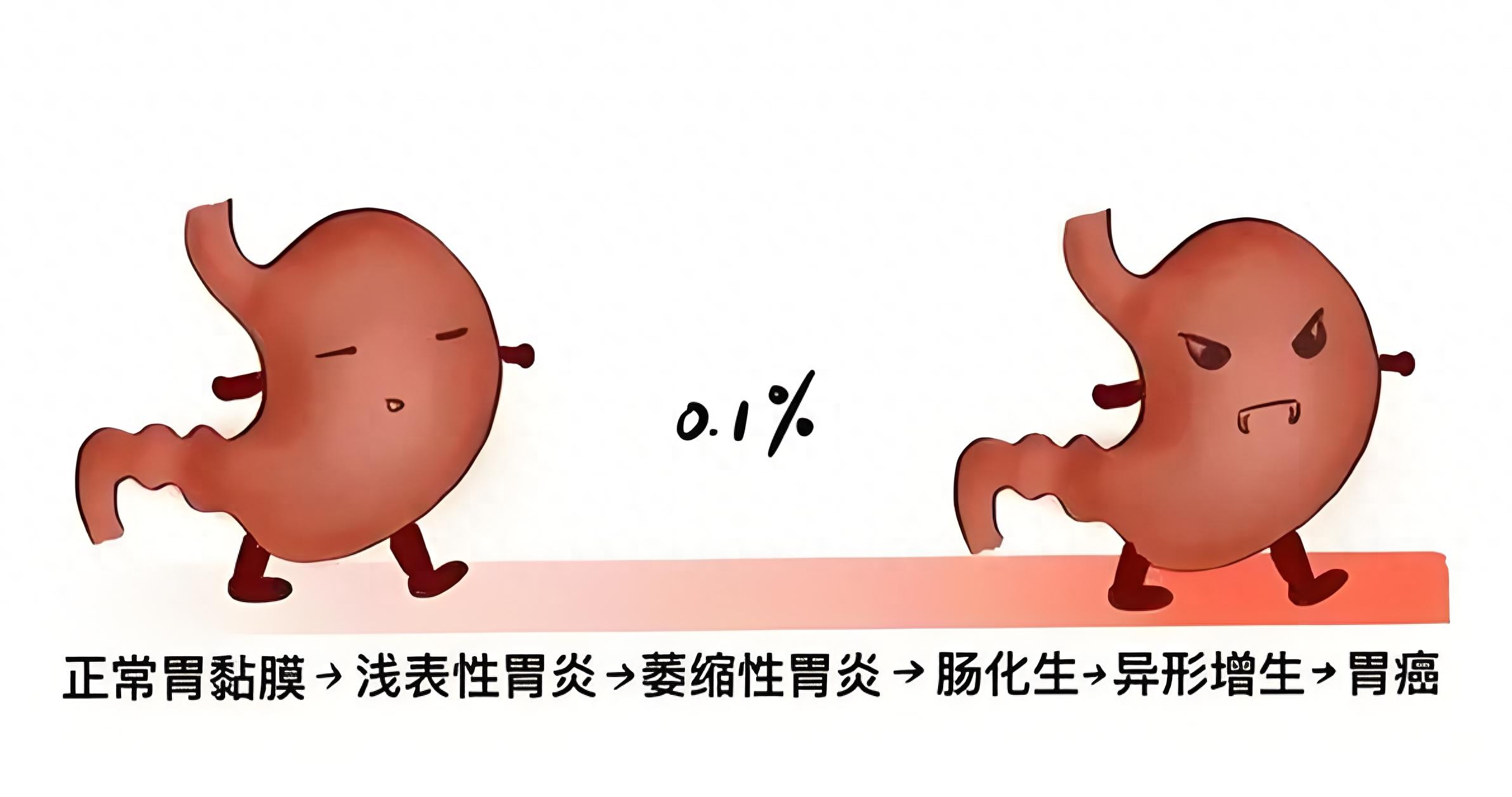
Late detection, diverse pathways of metastasis, and surgical approaches can all contribute to the recurrence of gastric cancer after surgery.
Most patients with early-stage gastric cancer do not exhibit obvious symptoms. Sometimes, only non-specific gastrointestinal symptoms such as epigastric discomfort, postprandial fullness, or nausea occur, which may be temporarily relieved with treatment for gastritis or ulcers. Consequently, the condition is easily overlooked. As the disease progresses, symptoms like worsening epigastric pain, loss of appetite, fatigue, and weight loss become apparent. By the time a correct diagnosis is made and treatment measures are taken, the prognosis is far worse than in the early stages.
Gastric cancer has multiple pathways of metastasis, including lymphatic metastasis, hematogenous metastasis, and peritoneal seeding metastasis, making it highly prone to spread.
When complications such as obstruction, perforation, or bleeding occur, palliative surgery is required, and the condition cannot be well controlled, leading to a high likelihood of recurrence.