What are the symptoms of glioma recurrence?
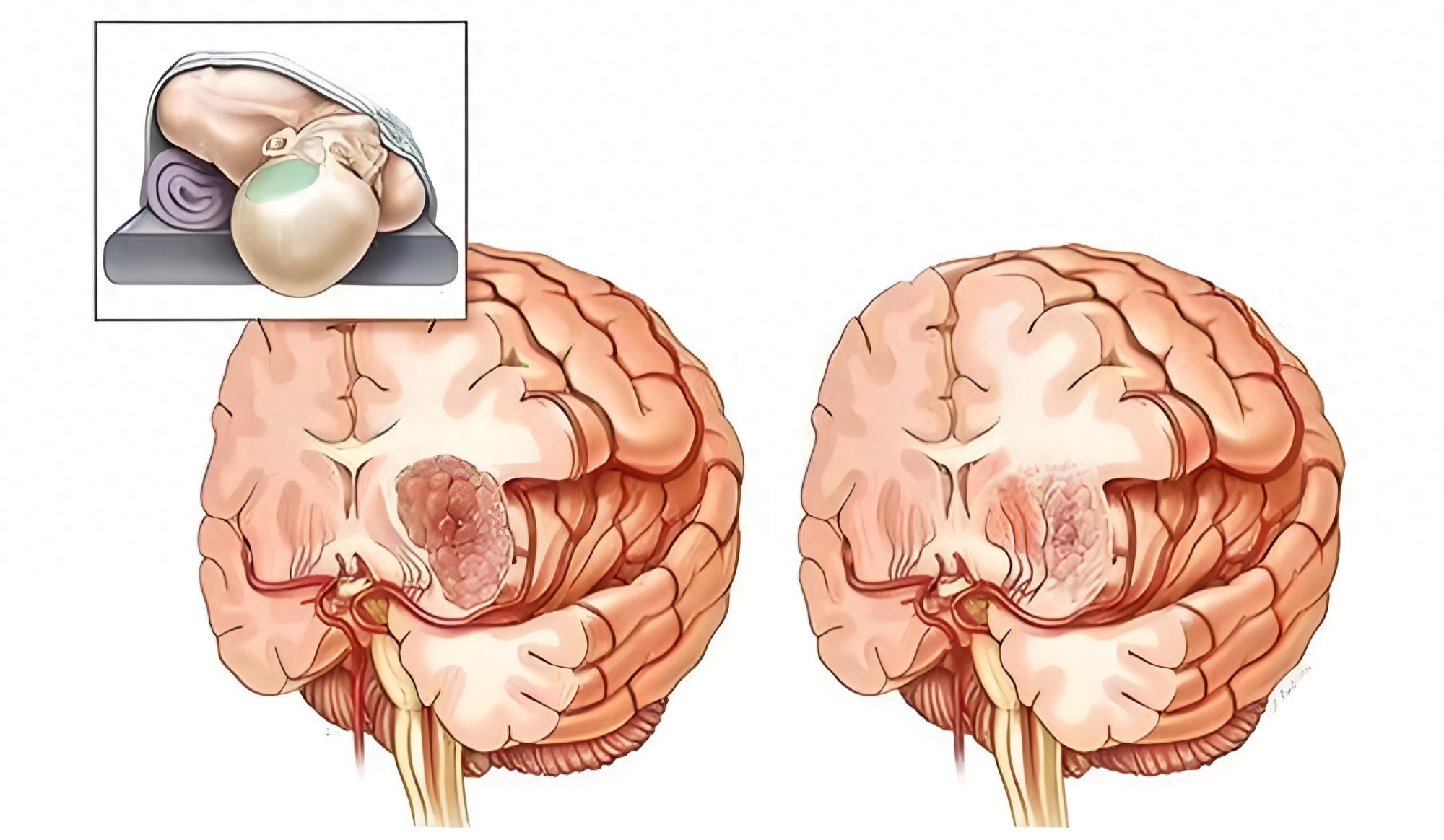
When glioma recurs, patients may experience symptoms such as epileptic seizures; signs of increased intracranial pressure like headaches; neuropsychiatric symptoms such as manic episodes; other symptoms like vision loss, or they may have no obvious symptoms at all. It is recommended that patients undergo regular follow-up examinations.
1. Epileptic seizures: Some glioma patients may experience epileptic seizures when the tumor recurs.
2. Increased intracranial pressure: Some patients may experience symptoms of increased intracranial pressure such as headache, nausea, and vomiting when gliomas recur.
3. Neuropsychiatric symptoms: Some patients may develop neuropsychiatric symptoms such as manic episodes and personality changes after recurrence.
4. Others: Some patients may exhibit symptoms such as decreased vision, hearing loss, and swallowing difficulties at the time of recurrence.
Some glioma patients show no obvious symptoms upon recurrence, and it is mainly detected through examinations. After treatment, glioma patients should undergo regular follow-up examinations to promptly detect changes in their condition.