What should colon cancer patients pay attention to in their diet?
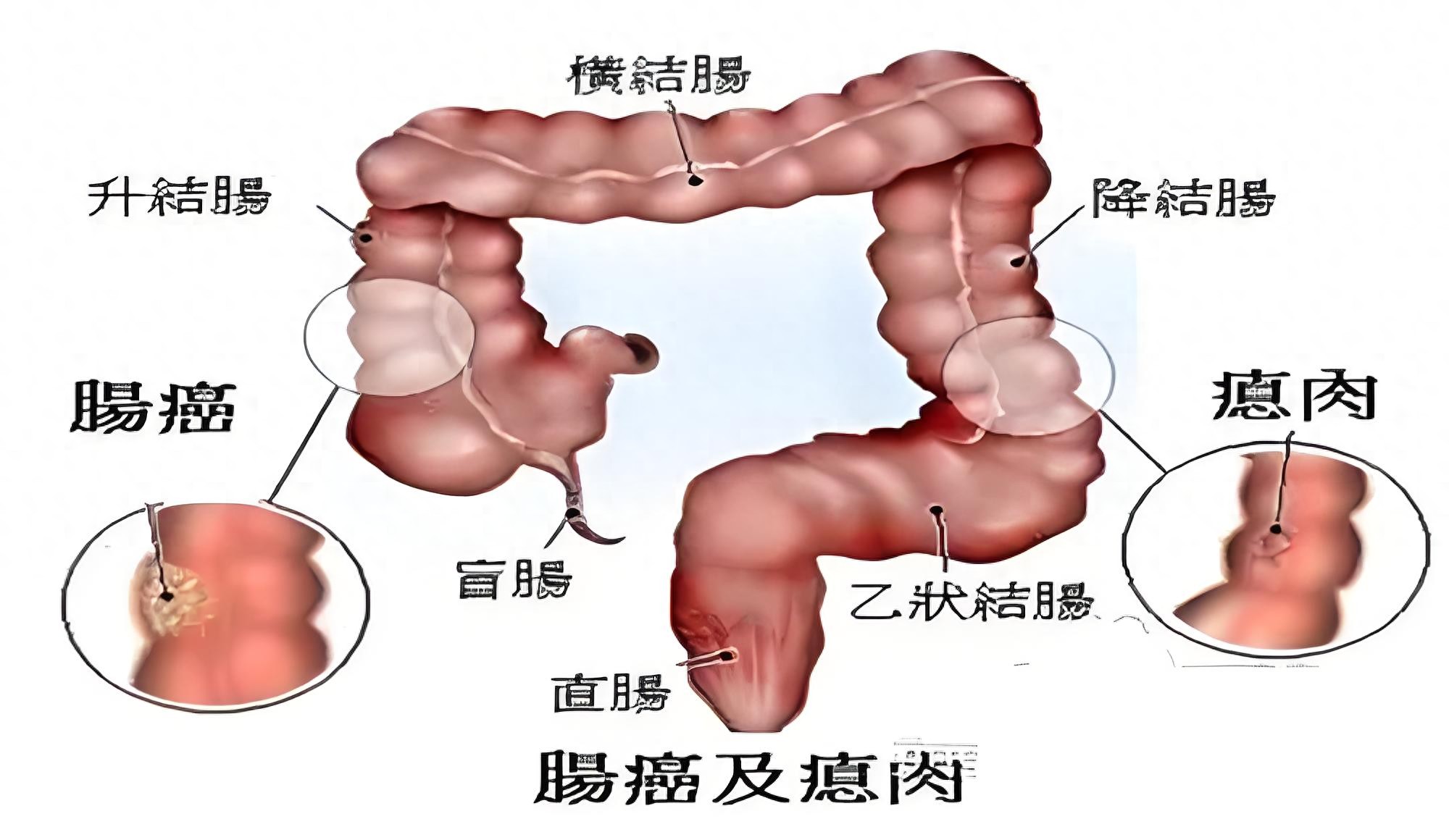
Colon cancer patients must pay close attention to their daily diet. Research has shown that a high-fat diet can promote the occurrence of intestinal tumors, especially polyunsaturated fatty acids, which, although they can lower blood lipids, have cancer-promoting effects.
Cholesterol itself is not carcinogenic, but when it reacts simultaneously with bile acids, it has a cancer-promoting effect, indicating that bile acids are a cancer-promoting factor. Therefore, colon cancer patients should not consume excessive amounts of fat.
Total fat should account for less than 30% of the total energy intake, with an appropriate proportion of animal and vegetable oils. In the daily diet, including the fat from food itself and the oil used in cooking, the daily fat intake should be less than 50 grams.
Some friends who are concerned about coronary heart disease strictly control animal fat, often relying mainly on vegetable oils, or even avoiding animal oils altogether. This can lead to excessive oxidation in the body, as vegetable oils are unstable and easily oxidized. Appropriate intake of animal fat can help stabilize carbon chains, making them less prone to oxidation and reducing the formation of free radicals in the body. It is essential to follow a scientific diet and pay attention to the proper proportion of fats. It is recommended to maintain a ratio of saturated fatty acids to polyunsaturated fatty acids and monounsaturated fatty acids of 1:1:1.
At the same time, patients should pay attention to eating more vegetables rich in dietary fiber in their diet, such as celery, leeks, cabbage, radishes, and other leafy greens. Foods rich in fiber can stimulate intestinal peristalsis, increase bowel movements, and help eliminate carcinogenic and toxic substances through feces.