How long can a patient live with peritoneal cancer after developing abdominal ascites?
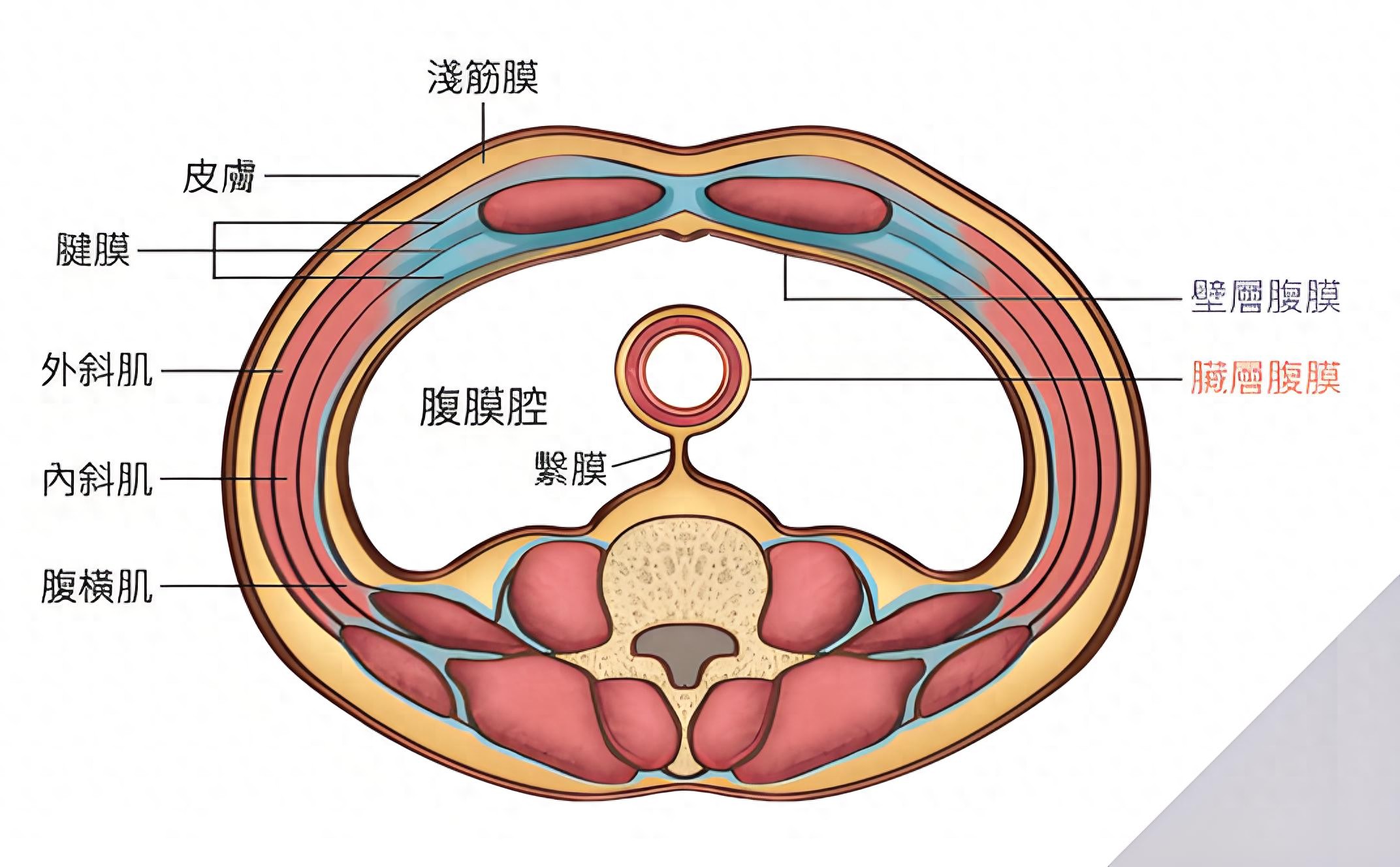
The causes of ascites in peritoneal cancer include cancer cell metastasis, peritonitis, and hypoalbuminemia, among others. Some studies report a five-year survival rate of around 30%. It is recommended to identify the underlying cause and pursue active treatment.
1. Cancer cell metastasis: After the development of cancerous ascites in peritoneal cancer, chemotherapy and radiation therapy can be considered to eliminate cancer cells, delay their spread and metastasis. Additionally, abdominal paracentesis can be performed to drain the fluid, alleviate discomfort, improve quality of life, and extend survival time.
2. Peritonitis: Patients with peritoneal cancer experience decreased immunity, making them susceptible to bacterial infections that can lead to peritonitis and the development of inflammatory effusion. Antibiotics such as ceftriaxone or gentamicin may be considered to control the infection, and symptoms can also be alleviated through paracentesis.
3. Hypoalbuminemia: When ascites occurs due to hypoalbuminemia, timely albumin supplementation can promote symptom improvement.
According to research, the 5-year survival rate for peritoneal cancer patients with ascites is approximately 30%, meaning that about 3 out of 10 people can survive for more than 5 years.
Therefore, when ascites occurs in peritoneal cancer, it is advisable to seek medical attention promptly to identify the underlying cause and pursue active treatment to improve disease prognosis and extend survival time.