Why Do People Get Endometrial Cancer?
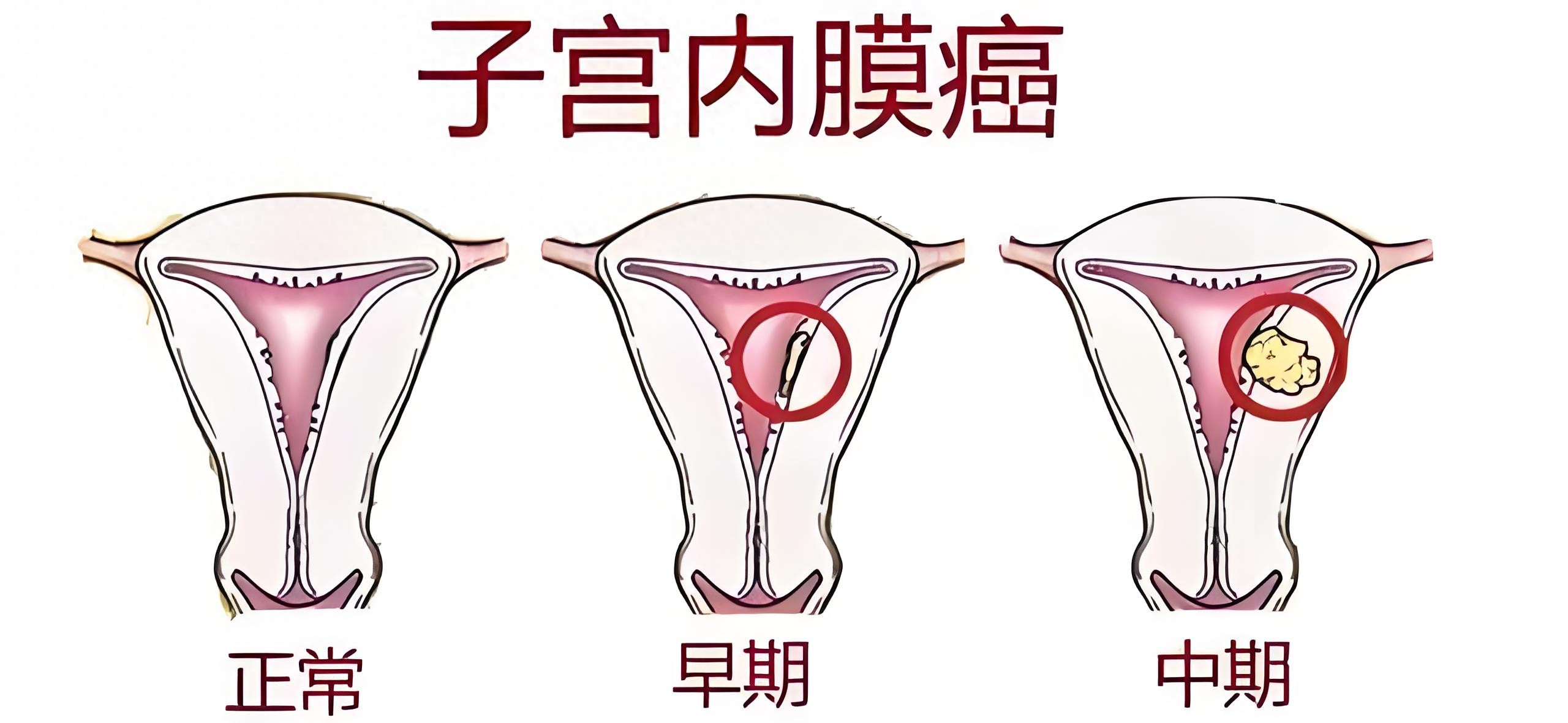
There are many causes of endometrial cancer, including lifestyle habits, genetic factors, medication factors, endocrine disorders, metabolic diseases, and more.
1. Lifestyle habits: Certain poor dietary habits, such as unclean or irregular eating, as well as alcohol consumption and smoking.
2. Genetic factors: Endometrial cancer is mostly sporadic, but about 5% of cases are related to heredity.
3. Medication factors: Certain drugs, such as tamoxifen, primarily regulate estrogen, and long-term use can increase the risk of endometrial cancer.
4. Endocrine disorders: Common conditions such as anovulatory menstrual disorders, infertility, and polycystic ovary syndrome can lead to a lack of ovulation or insufficient luteal function after ovulation. This results in inadequate protection of the endometrium by progesterone, causing prolonged exposure to estrogen, which may lead to endometrial hyperplasia or even cancerous changes. Insufficient progesterone action is the most common cause of endometrial cancer. Therefore, individuals with abnormal menstruation should seek medical attention to determine whether treatment is necessary to prevent the occurrence of endometrial cancer.
5. Metabolic diseases: Obesity, diabetes, and hypertension are established risk factors for endometrial cancer. If these risk factors persist over a long period, one should remain vigilant about the possibility of endometrial cancer. Those with abnormal bleeding or abnormal physical examination results should seek medical attention promptly to avoid delaying treatment.