Hearing the word 'tumor' often triggers fear, but don't panic—first determine whether it's benign or malignant.
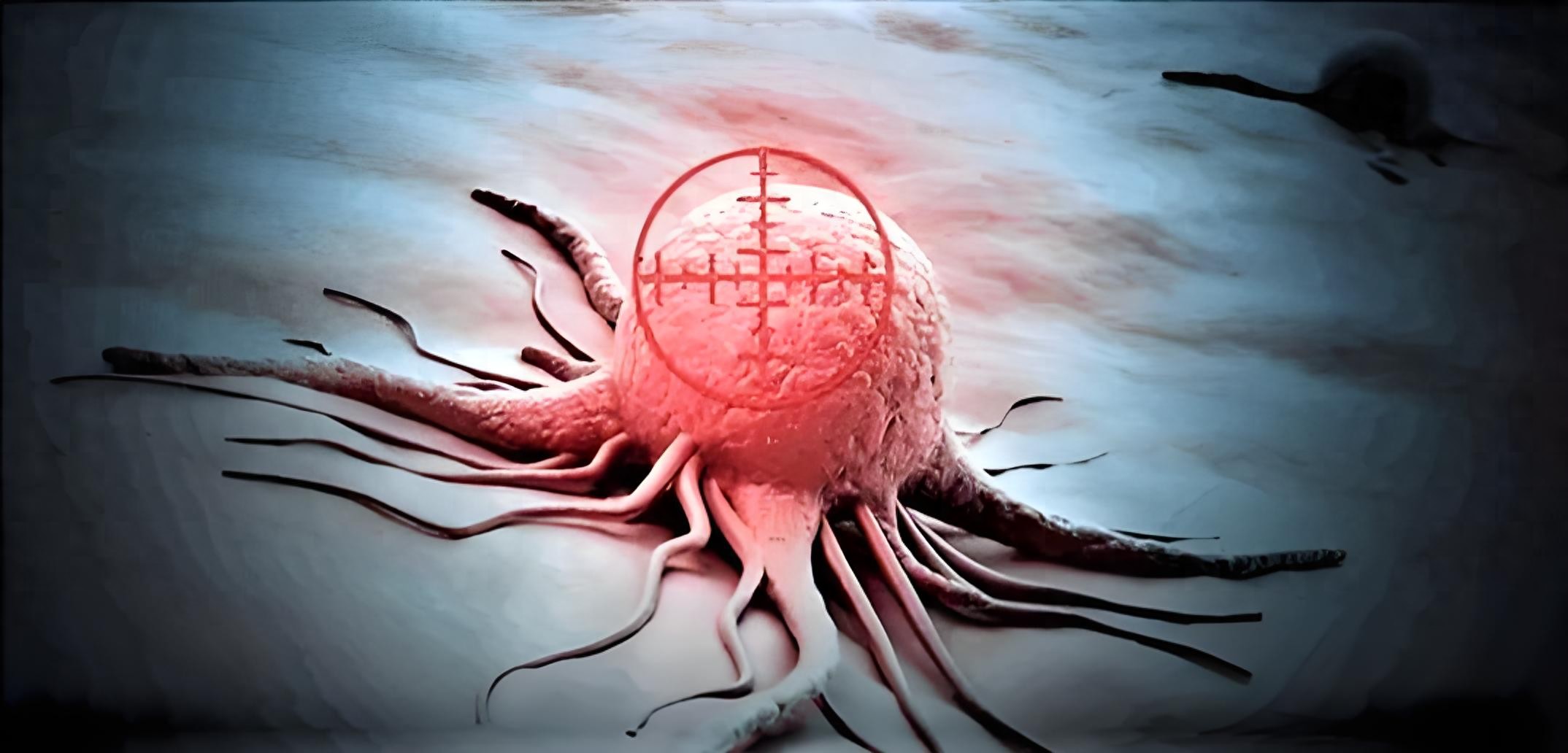
The mention of the word 'tumor' in daily life often brings about panic and unease. This is because tumors are closely associated with cancer, a serious disease known for its high mortality and disability rates. However, not all tumors are malignant; there is a clear distinction between benign and malignant tumors. Here, we will explore the characteristics of both to help you better understand and differentiate them.
1. Characteristics of Benign Tumors:
Benign tumors refer to abnormal cell growth that does not invade surrounding tissues or spread to other parts of the body through the blood and lymphatic systems. The characteristics of benign tumors include:
Slow growth rate: Benign tumors grow relatively slowly and typically do not expand rapidly.
Clear boundaries: Benign tumors usually have distinct boundaries that are clearly separated from surrounding tissues.
Non-invasive and non-metastatic: Benign tumors generally do not invade surrounding tissues or organs and do not metastasize to other parts of the body.
Normal tissue structure: The tissue structure of benign tumors usually resembles normal tissue, with normal cell morphology.
Better treatment outcomes: Treatment for benign tumors is typically simpler, such as surgical resection, and tends to yield better outcomes.
2. Characteristics of Malignant Tumors:
Malignant tumors refer to abnormal cell growth that is invasive and metastatic, capable of spreading to other parts of the body through the blood and lymphatic systems. Characteristics of malignant tumors include:
Rapid growth rate: Malignant tumors grow quickly and may show significant enlargement in a short period.
Blurred margins: The boundaries of malignant tumors are often indistinct, merging with surrounding tissues, making them sometimes difficult to identify.
Invasive and metastatic: Malignant tumors easily invade surrounding tissues or organs, spread extensively, and can metastasize to other parts of the body via the blood and lymphatic systems.
Abnormal tissue structure: Malignant tumor cells have abnormal morphology, disordered structure, and significant differences from normal tissues.
Treatment difficulty is greater: Malignant tumors are more complex to treat, involving various methods such as surgery, chemotherapy, radiotherapy, and immunotherapy, with a higher degree of difficulty.
3. How to distinguish between benign and malignant tumors:
When you hear the term "tumor," there’s no need to panic excessively. Distinguishing between benign and malignant tumors requires specialized pathological examinations, including cytology and immunohistochemistry. Doctors will assess the tumor’s nature by evaluating its cell morphology, tissue structure, growth rate, boundary characteristics, invasiveness, and metastatic potential.
In summary, there are clear distinctions between benign and malignant tumors. Understanding these differences helps us better recognize and manage related conditions. If you notice any unusual changes in your body, do not panic excessively; instead, seek medical attention promptly and follow your doctor’s advice for relevant examinations and treatment.