How to Manage Gastrointestinal Symptoms Caused by Chemotherapy for Lung Cancer?
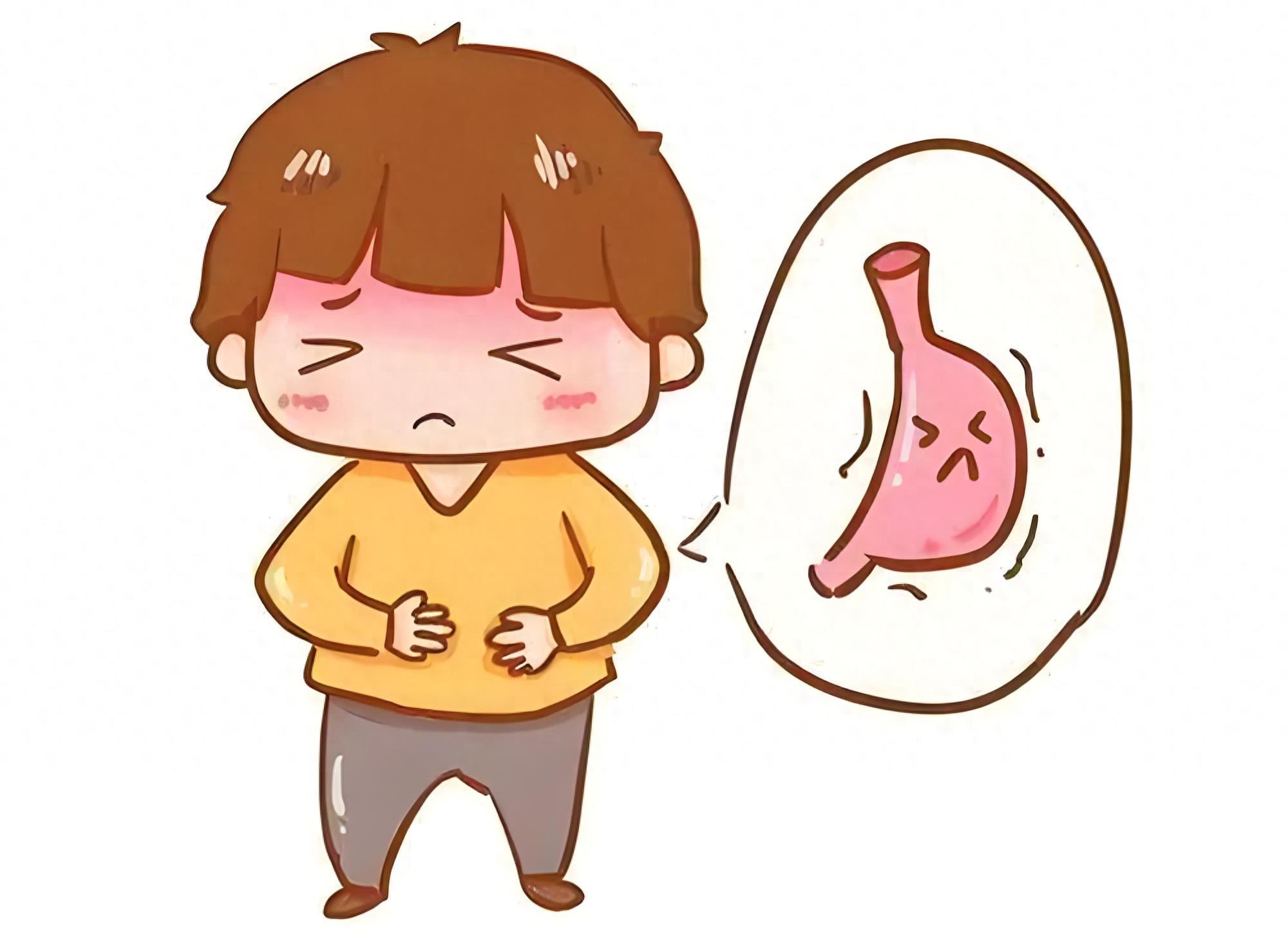
Chemotherapy is a commonly used treatment for lung cancer, which has saved the lives of countless cancer patients over the decades. The principle of chemotherapy involves eliminating tumor cells through the cytotoxic effects of chemotherapeutic agents. However, while these drugs target tumor cells, they can also damage normal cells, leading to side effects. Among these, gastrointestinal symptoms are relatively common and significantly impactful.
I. Common Gastrointestinal Symptoms
Gastrointestinal symptoms induced by chemotherapy mainly include abnormalities in diet and bowel movements.
Abnormalities in eating include poor appetite, reduced food intake, nausea, and vomiting, while abnormalities in bowel movements include constipation and diarrhea.
Among these, nausea and vomiting are the most common and impactful symptoms. Some patients experience mild symptoms, while others have severe reactions, vomiting whatever they eat or even after drinking water.
Poor appetite and reduced food intake are common manifestations in most patients undergoing chemotherapy, often related to nausea and vomiting.
Diarrhea and constipation are two different manifestations. Patients may present with diarrhea, constipation, or alternating episodes of diarrhea and constipation.
II. Western Medicine Treatment
During chemotherapy, symptomatic treatment methods are generally adopted for gastrointestinal symptoms.
Due to the tendency of diarrhea to disrupt intestinal flora, medications that help regulate intestinal flora, such as Bifidobacterium and berberine hydrochloride, are also commonly used.
III. Traditional Chinese Medicine Treatment
Traditional Chinese Medicine (TCM) addresses gastrointestinal symptoms during chemotherapy in two main aspects: first, by mitigating toxicity and strengthening the constitution, thereby enhancing the patient's tolerance; second, by providing symptomatic treatment.
First, traditional Chinese medicine can reduce the toxicity of chemotherapy through methods like regulating qi and resolving stasis, clearing heat and detoxifying, thereby alleviating the side effects it produces. Commonly used drugs include bupleurum (Bupleuri Radix), magnolia bark (Magnoliae Officinalis Cortex), Sichuan lovage rhizome (Chuanxiong Rhizoma), turmeric root tuber (Curcumae Radix), motherwort (Leonuri Herba), achyranthes root (Achyranthis Bidentatae Radix), honeysuckle flower (Lonicerae Japonicae Flos), dandelion (Taraxaci Herba), forsythia fruit (Forsythiae Fructus), bittersweet herb (Solanum lyratum), and black nightshade (Solanum nigrum).
Simultaneously, it is supplemented with methods like strengthening the spleen and tonifying the kidneys, replenishing qi and nourishing blood, to enhance the patient’s constitution and improve their tolerance. As tolerance improves, symptoms will be somewhat alleviated. Commonly used drugs include codonopsis (Codonopsis Radix), poria (Poria), white atractylodes (Atractylodis Macrocephalae Rhizoma), polygonatum (Polygonati Rhizoma), cornus officinalis (Corni Fructus), goji berries (Lycii Fructus), eucommia bark (Eucommiae Cortex), white peony root (Paeoniae Radix Alba), Chinese angelica (Angelicae Sinensis Radix), and Chinese yam (Dioscoreae Rhizoma).
Next is symptomatic treatment; for patients with poor appetite and low food intake, drugs that strengthen the spleen and promote digestion, soothe the liver, and harmonize the stomach can be administered. Commonly used ones include tangerine peel (Citri Reticulatae Pericarpium), chicken gizzard lining (Endothelium Corneum Gigeriae Galli), poria (Poria), white atractylodes (Atractylodis Macrocephalae Rhizoma), hawthorn (Crataegi Fructus), medicated leaven (Massa Medicata Fermentata), malt (Hordei Fructus Germinatus), bitter orange (Aurantii Fructus), and citron (Citri Sarcodactylis Fructus).
For patients experiencing nausea and vomiting, medications that strengthen the spleen to relieve vomiting and regulate the stomach to reverse adverse qi flow can be administered. Commonly used herbs include Aucklandia root, Amomum fruit, ginger, fennel, dried tangerine peel, hematite, and Inula flower.
Constipation can be relieved through three approaches: moistening laxation, purgative laxation, and drastic purgation. Among these, moistening laxation has the least irritation to the intestines. Commonly used herbs include hemp seed, bush cherry seed, arborvitae seed, and honey. Purgative laxatives are more potent and act quickly but can irritate the intestines and are typically not used long-term. Common herbs include rhubarb, mirabilite, senna leaf, and aloe. Drastic purgatives, also known as drastic hydragogues, act rapidly and often cause severe diarrhea, expelling large amounts of water through urine and stool. They are typically used for conditions such as edema, ascites, and pleural effusion. However, most drastic purgatives are toxic to some extent and are rarely used clinically.
Diarrhea is often treated with astringent herbs to stop diarrhea and warm the middle jiao to promote qi flow. Commonly used herbs include black plum seed, lotus seed, nutmeg, red halloysite, pomegranate peel, fox nut, and cherokee rose fruit.
Traditional Chinese medicine alleviates patients' suffering by reducing toxicity, strengthening the body's constitution, and providing symptomatic treatment. This is a unique advantage of Chinese medicine, enabling patients to successfully undergo chemotherapy.
IV. Psychological Adjustment
Chemotherapy affects individuals not only physically but also psychologically. In fact, the various symptoms caused by chemotherapy gradually subside as the treatment ends. Among the many side effects of chemotherapy, gastrointestinal symptoms are among the first to resolve. Therefore, there is no need to dwell excessively on the side effects of chemotherapy. Maintaining a positive emotional state and actively accepting treatment are the keys to overcoming lung cancer.