Why Do Lipomas Recur After Surgery?
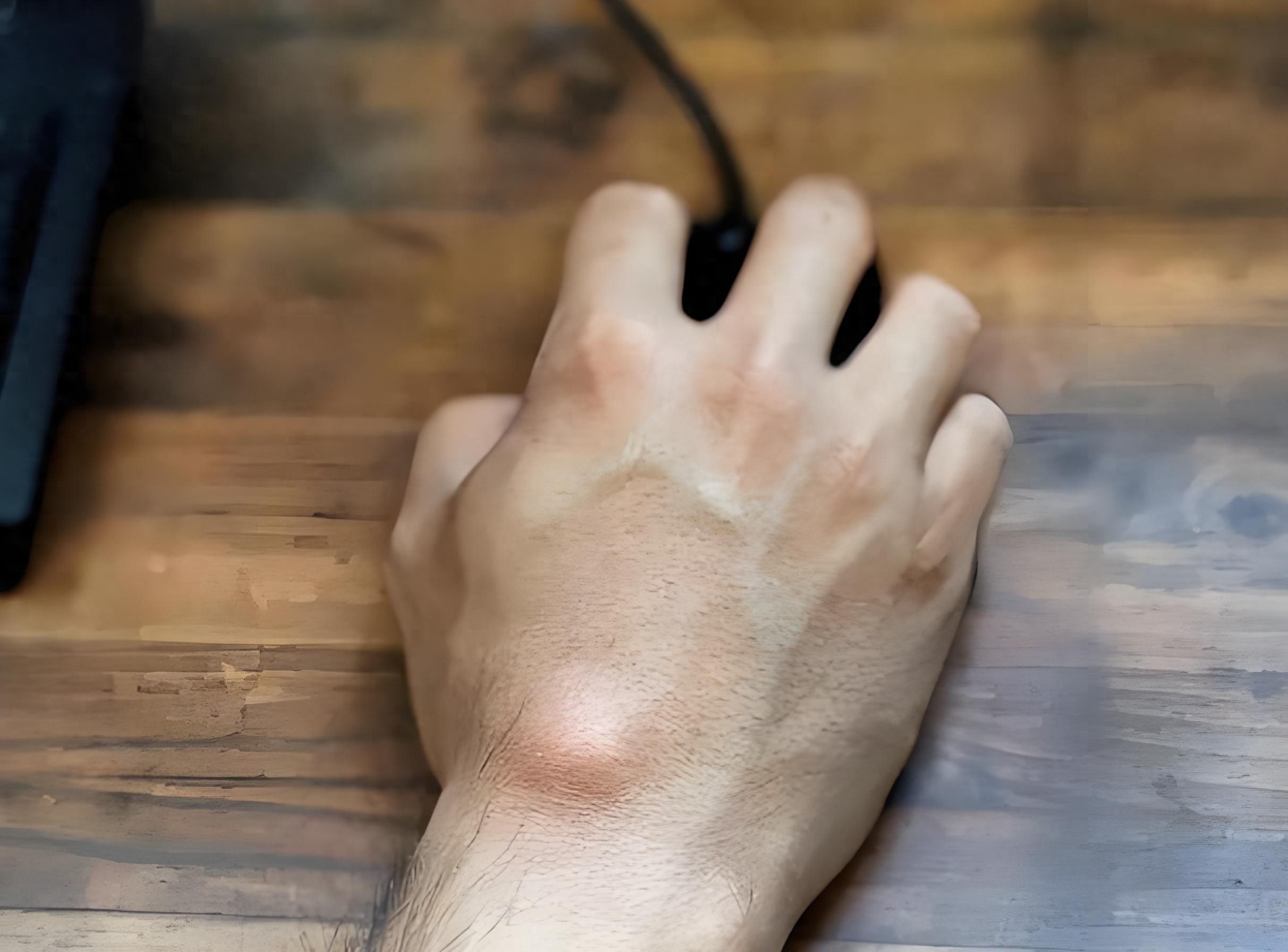
Lipoma is a common benign tumor composed of mature fat cells. They typically appear in the subcutaneous tissue and can occur anywhere in the body, but are most commonly found on the back, shoulders, neck, and abdomen. Lipomas are usually solitary or multiple, varying in size, and sometimes grow over time. Surgical excision is a common treatment method for lipomas, but sometimes lipomas may recur after surgery. This may be due to the following reasons:
1. Multiple foci of lipoma: Lipomas can be multiple, meaning an individual may have several lipomas in different locations. Even if one lipoma is surgically removed, other untreated lipomas may remain and could enlarge or require treatment in the future.
2. Incomplete Surgical Excision: If the lipoma is not completely removed during surgery, residual lipoma tissue may regrow, leading to recurrence. This may be caused by surgical technique, the depth of the lipoma, or visibility issues during the procedure.
3. Biological Characteristics of Lipomas: Lipomas are benign tumors, but they still retain the ability to grow. In some cases, even after surgical removal of a lipoma, new lipomas may develop from remaining adipose tissue.
4. Individual Differences: Each person's physical condition and genetic factors vary, which may make some individuals more prone to lipoma recurrence after surgery. Some people may have a genetic predisposition to lipomas, increasing the likelihood of recurrence.
5. Lifestyle Factors: Lifestyle factors such as obesity, dietary habits, lack of exercise, and chronic stress may increase the risk of lipoma recurrence. These factors can affect fat metabolism and distribution, thereby influencing lipoma formation.
To reduce the risk of recurrence after lipoma surgery, the following measures can be taken:
1. Regular physical examinations: Periodic health check-ups can help detect and treat new lipomas in a timely manner.
2. Lifestyle changes: Maintaining a healthy weight, following a balanced diet, engaging in appropriate physical activity, and reducing chronic stress can all help lower the risk of lipoma recurrence.
3. Surgical technique improvements: Choose an experienced doctor for the procedure to ensure complete surgical removal and minimize the likelihood of recurrence.
4. Postoperative follow-up: Adhere to the doctor's advice for postoperative follow-up to promptly detect and manage any potential recurrences.
In summary, lipomas may recur after surgery, which could be attributed to factors such as the multifocal nature of lipomas, incomplete surgical excision, the biological characteristics of lipomas, individual differences, and lifestyle factors. To reduce the risk of recurrence, it is recommended to take appropriate preventive measures and undergo regular follow-up examinations after surgery. If there are any questions or concerns, consult a doctor promptly.