What causes bladder cancer?
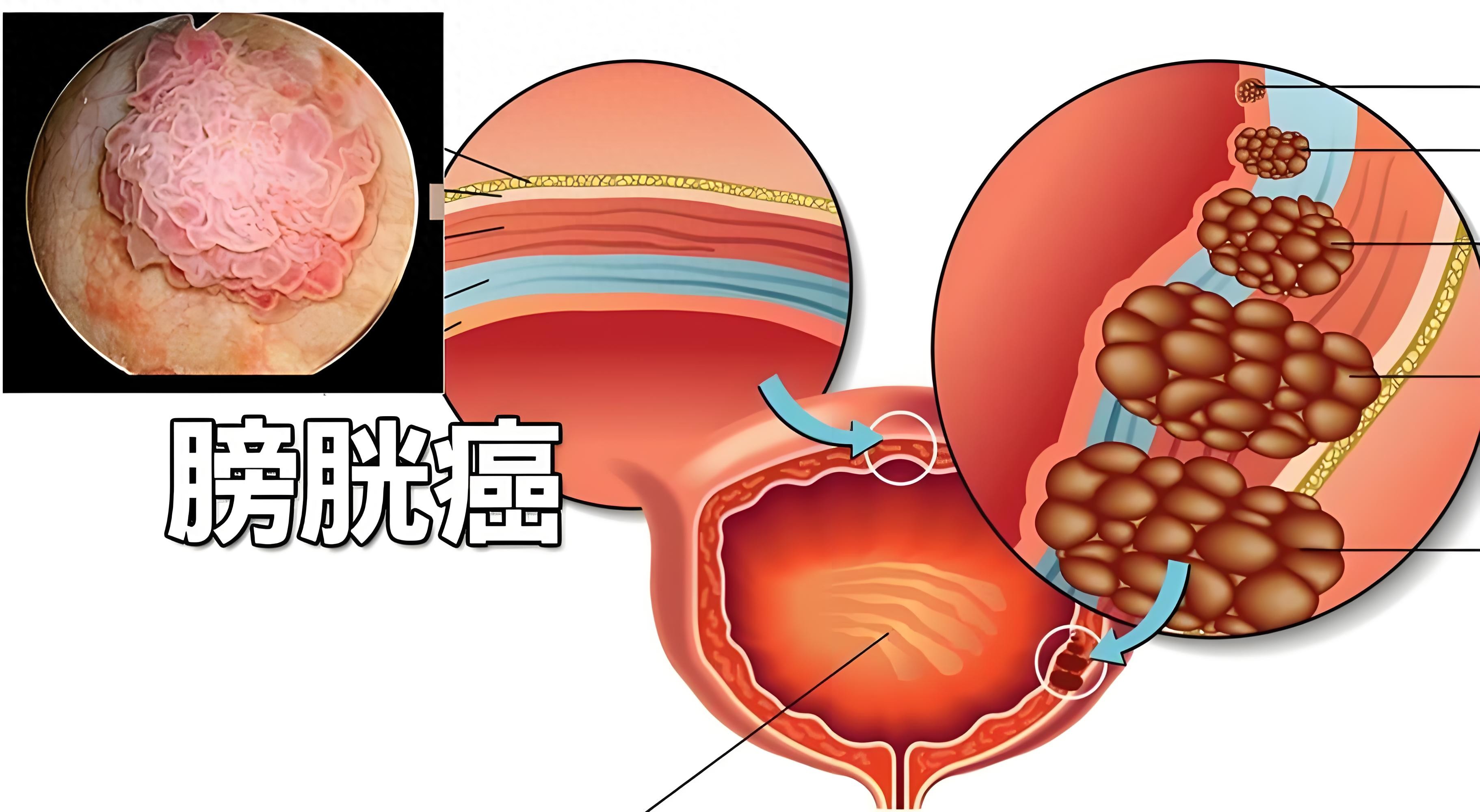
Bladder cancer is a common malignant tumor of the urinary system, and its causes are relatively complex and not yet fully understood. From the perspective of modern medicine, the development of bladder cancer may be related to the following factors:
1. Chemical substances: Long-term exposure to certain chemical substances, such as dyes, rubber, plastics, and paints, may increase the risk of bladder cancer.
2. Smoking: Smoking is a significant risk factor for the development of bladder cancer. Chemical substances in tobacco may enter the bladder through urine, causing cellular damage and carcinogenesis.
3. Occupational Exposure: Certain occupations, such as pilots, automotive repair workers, and printing workers, have a higher incidence of bladder cancer due to long-term exposure to chemicals like benzene and benzidine in the workplace.
4. Non-Occupational Exposure: Long-term exposure to substances such as arsenic and cyclosporine may also increase the risk of bladder cancer.
5. Genetic Factors: Family history is an important risk factor for bladder cancer, and certain genetic mutations may increase the risk of developing the disease.
6. Chronic Bladder Infections: Long-term chronic bladder infections, bladder stones, and other conditions may increase the risk of bladder cancer.
7. Urinary Tract Obstruction: Long-term urinary tract obstruction may cause carcinogens in urine to remain in the bladder for an extended period, thereby increasing the risk of bladder cancer.
8. Medications: Certain medications, such as cyclophosphamide, may increase the risk of bladder cancer.
From the perspective of traditional Chinese medicine, the onset of bladder cancer is associated with the following factors:
1. Internal emotional injury: Long-term emotional depression, anxiety, anger, and other emotions may lead to liver qi stagnation, which can subsequently affect bladder function.
2. Improper diet: Excessive consumption of spicy, greasy, or raw and cold foods, as well as irregular eating habits, can damage the spleen and stomach, leading to internal damp-heat that invades the bladder.
3. Lifestyle habits: Habits such as staying up late for extended periods, excessive fatigue, and lack of exercise can lower the body's resistance, making it susceptible to invasion by external pathogens. When these pathogens attack the bladder, bladder qi transformation becomes impaired.
4. External pathogen invasion: Invasion of the body by external pathogens such as wind-cold or damp-heat may impair bladder qi transformation, leading to internal accumulation of damp-heat. Over time, this can turn toxic, causing toxic pathogens to accumulate in the bladder and develop into cancer.
5. Pathological products within the body: Pathological products within the body, such as blood stasis and phlegm-fluid retention, may obstruct the normal function of the bladder, leading to impaired bladder qi transformation.
Traditional Chinese Medicine (TCM) treatment for bladder cancer emphasizes syndrome differentiation and treatment tailored to the patient's specific condition and constitution. Methods such as clearing heat and detoxifying, promoting diuresis and resolving stasis, soothing the liver and regulating qi, strengthening the spleen and tonifying the kidneys are employed. Additionally, TCM focuses on adjusting the patient's diet and lifestyle habits to reduce the risk of bladder cancer.