Does Occupational Exposure Contribute to the Development of Lung Cancer?
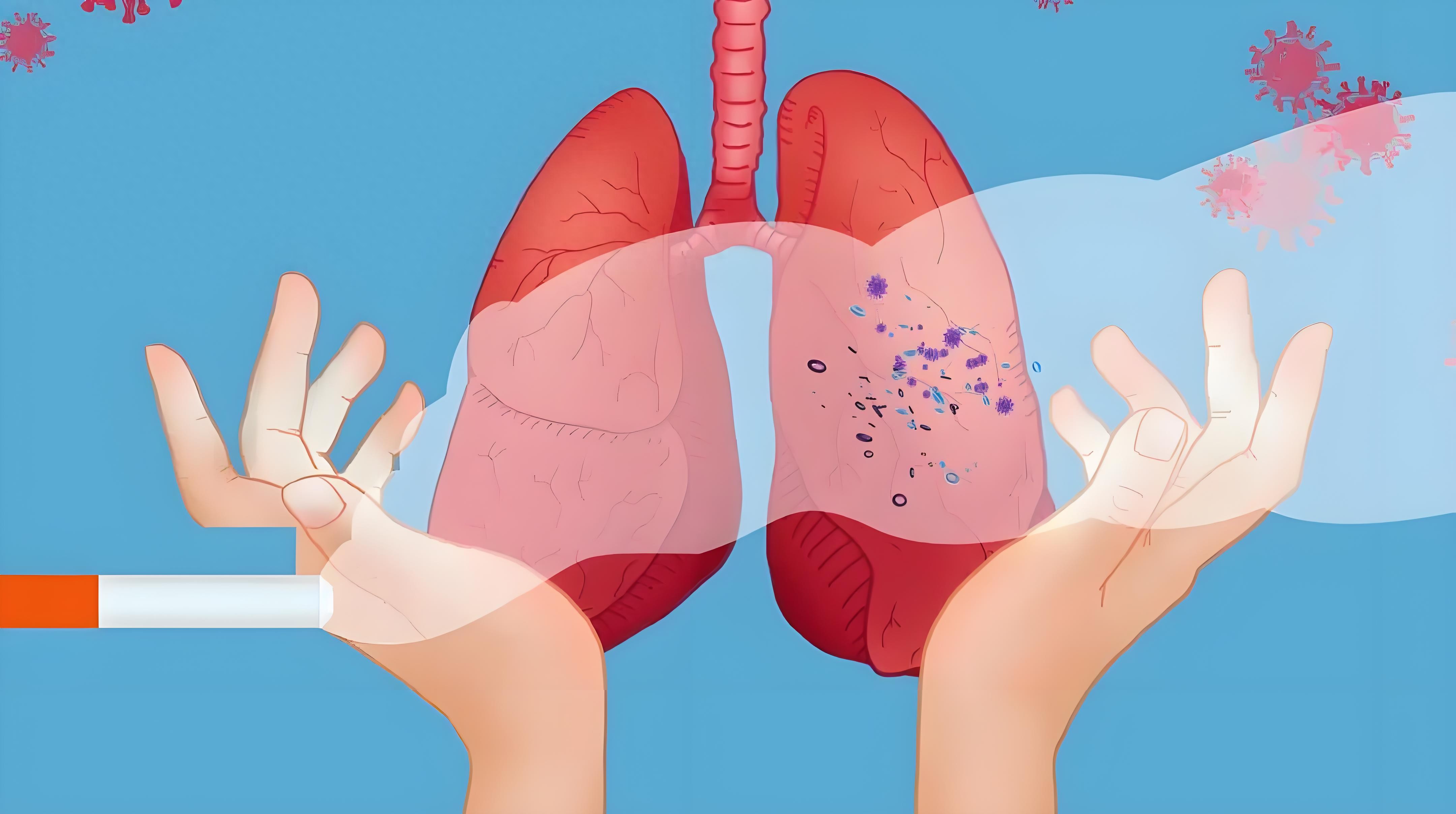
Yes, occupational exposure indeed contributes to the development of lung cancer. From the perspective of Traditional Chinese Medicine (TCM), lung cancer caused by occupational exposure primarily results from prolonged exposure to harmful substances such as asbestos, radioactive materials, and chemical toxins. These harmful substances invade the human body, damage the lungs, leading to stagnation of lung qi, obstruction of collaterals by phlegm and stasis, and ultimately the formation of lung cancer.
In TCM, it is believed that the lungs govern qi, manage respiration, oversee diffusion and descending functions, and regulate water passages. When harmful substances enter the body, they first damage lung qi, resulting in weakness of lung qi, disruption of its diffusion and descending functions, obstruction of water passages, and internal generation of phlegm-fluid retention. Over time, the accumulation of phlegm-fluid retention combines with pathogenic toxins, forming phlegm-stasis, which blocks the lung collaterals. Prolonged obstruction leads to the formation of masses, which develop into lung cancer.
Preventing occupational exposure-induced lung cancer can be approached from the following aspects:
1. According to traditional Chinese medicine theory, the first step is to avoid contact with harmful substances and reduce occupational exposure. For high-risk occupations, such as asbestos workers, miners, and construction workers, personal protection should be strengthened by wearing masks, protective clothing, and other protective equipment to reduce the inhalation of harmful substances.
2. Enhance the body's disease resistance. Traditional Chinese medicine believes that when the body's vital energy is strong, pathogenic factors cannot invade. Therefore, through a reasonable diet, appropriate exercise, and good lifestyle habits, the body's disease resistance can be enhanced, reducing the damage caused by harmful substances. For example, consuming foods that have nourishing yin, moistening the lungs, clearing heat, and detoxifying effects, such as pears, lilies, and tremella, can be beneficial.
3. Regular health check-ups. For occupational groups with long-term exposure to harmful substances, regular health check-ups, especially lung examinations, should be conducted to detect abnormalities early and take appropriate measures.
4. Traditional Chinese Medicine (TCM) Prevention. Some traditional Chinese herbs have effects such as clearing heat and detoxifying, nourishing yin and moistening the lungs, and promoting blood circulation to remove stasis. They can be used to prevent lung cancer caused by occupational exposure. For example, astragalus (Huangqi), ophiopogon root (Maidong), glehnia root (Nanshashen), and salvia miltiorrhiza (Danshen). However, using TCM to prevent lung cancer should be conducted under the guidance of a licensed TCM practitioner to avoid blind medication.
5. Maintain a Positive Mindset. Traditional Chinese medicine holds that emotional internal damage is also an important cause of disease. Therefore, maintaining a positive mindset and avoiding excessive emotional fluctuations are also important aspects of preventing lung cancer.
In summary, occupational exposure indeed plays a promoting role in the development of lung cancer. From the perspective of Traditional Chinese Medicine, preventing lung cancer caused by occupational exposure should involve avoiding exposure to harmful substances, enhancing the body's disease resistance, regular health check-ups, TCM prevention, and maintaining a positive mindset. Through these measures, the promoting role of occupational exposure in lung cancer can be reduced, thereby protecting the health of occupational groups.