Which Population is Most Prone to Osteosarcoma
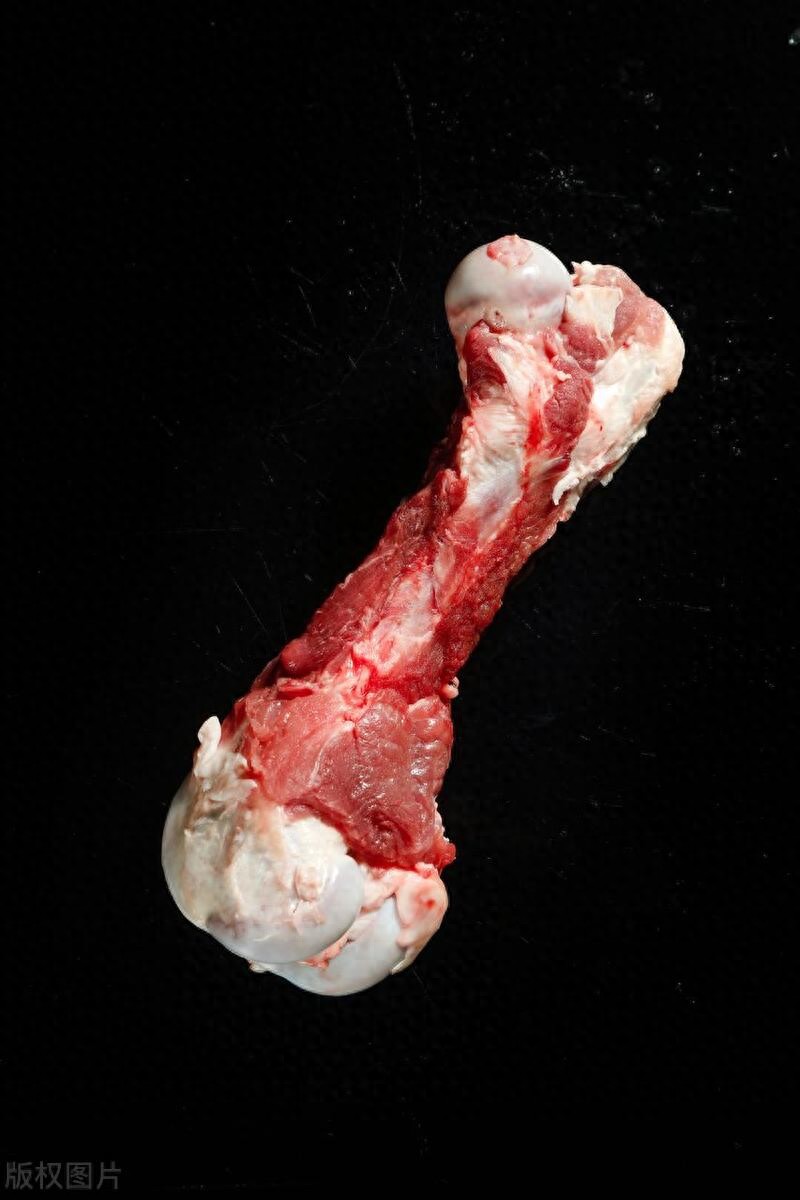
Osteosarcoma is one of the most common primary bone tumors. It originates from bone stem cells and primarily occurs in adolescents and young adults who are experiencing rapid growth. Osteosarcoma often develops at the metaphyses of long bones, such as the distal femur, proximal tibia, and proximal humerus, and males are more susceptible to this condition than females.
The population most prone to osteosarcoma mainly includes:
1. Age and gender: Osteosarcoma most commonly occurs in adolescents and young adults aged 10 to 25, with males being slightly more affected than females.
2. Genetic factors: Individuals with a family history have a higher risk of developing osteosarcoma.
3. Large body size: Adolescents who are unusually tall or experience rapid growth may have an increased risk.
4. Exposure to certain chemicals: Long-term exposure to certain substances, such as benzene and radioactive materials, may increase the risk of osteosarcoma.
5. Certain Genetic Diseases: Individuals with genetic disorders such as retinoblastoma, Li-Fraumeni syndrome, and others have a higher risk of developing osteosarcoma.
6. Fractures or Skeletal Abnormalities: People with a history of fractures or skeletal developmental abnormalities may have an increased risk of osteosarcoma.
The understanding of osteosarcoma in Traditional Chinese Medicine (TCM) can be traced back to ancient medical texts, where it was referred to as "bone gangrene" or "bone erosion." TCM posits that the occurrence of osteosarcoma is related to internal factors such as "phlegm toxin," "blood stasis," and "deficiency of vital qi." These pathological factors may accumulate in the body due to emotional disturbances, improper diet, excessive fatigue, or other causes that disrupt the function of the internal organs.
TCM treatment for osteosarcoma emphasizes a holistic approach and syndrome differentiation. Treatment methods include herbal medicine, acupuncture, and tuina (therapeutic massage). Herbal medicine is typically tailored to the patient's specific syndrome pattern, utilizing herbs that have effects such as clearing heat and detoxifying, promoting blood circulation and removing stasis, and tonifying vital qi. Acupuncture and tuina can be used to alleviate symptoms and improve quality of life.
Preventing Osteosarcoma, Traditional Chinese Medicine Recommendations:
1. Healthy Diet: Maintain a balanced diet, eat more fresh vegetables and fruits, and consume less spicy, greasy, barbecued, and similar foods.
2. Regulate Emotions: Maintain a positive mindset and avoid excessive emotional fluctuations.
3. Moderate Exercise: Appropriate physical exercise can enhance physical fitness and improve the body's immunity.
4. Avoid environmental pollution: Try to minimize long-term exposure to harmful chemicals and radioactive substances.
5. Regular physical examinations: Especially for individuals with a family history of osteosarcoma or abnormal bone development, regular bone examinations are recommended for early detection and treatment.
In summary, osteosarcoma is a serious bone tumor that commonly occurs in adolescents and young adults. Traditional Chinese medicine emphasizes holistic regulation and syndrome differentiation in treating osteosarcoma. By integrating TCM prevention and treatment methods, the risk of developing osteosarcoma can be effectively reduced, and treatment outcomes can be improved.