What Causes Lymph Node Enlargement After Surgery for Minimally Invasive Lung Adenocarcinoma
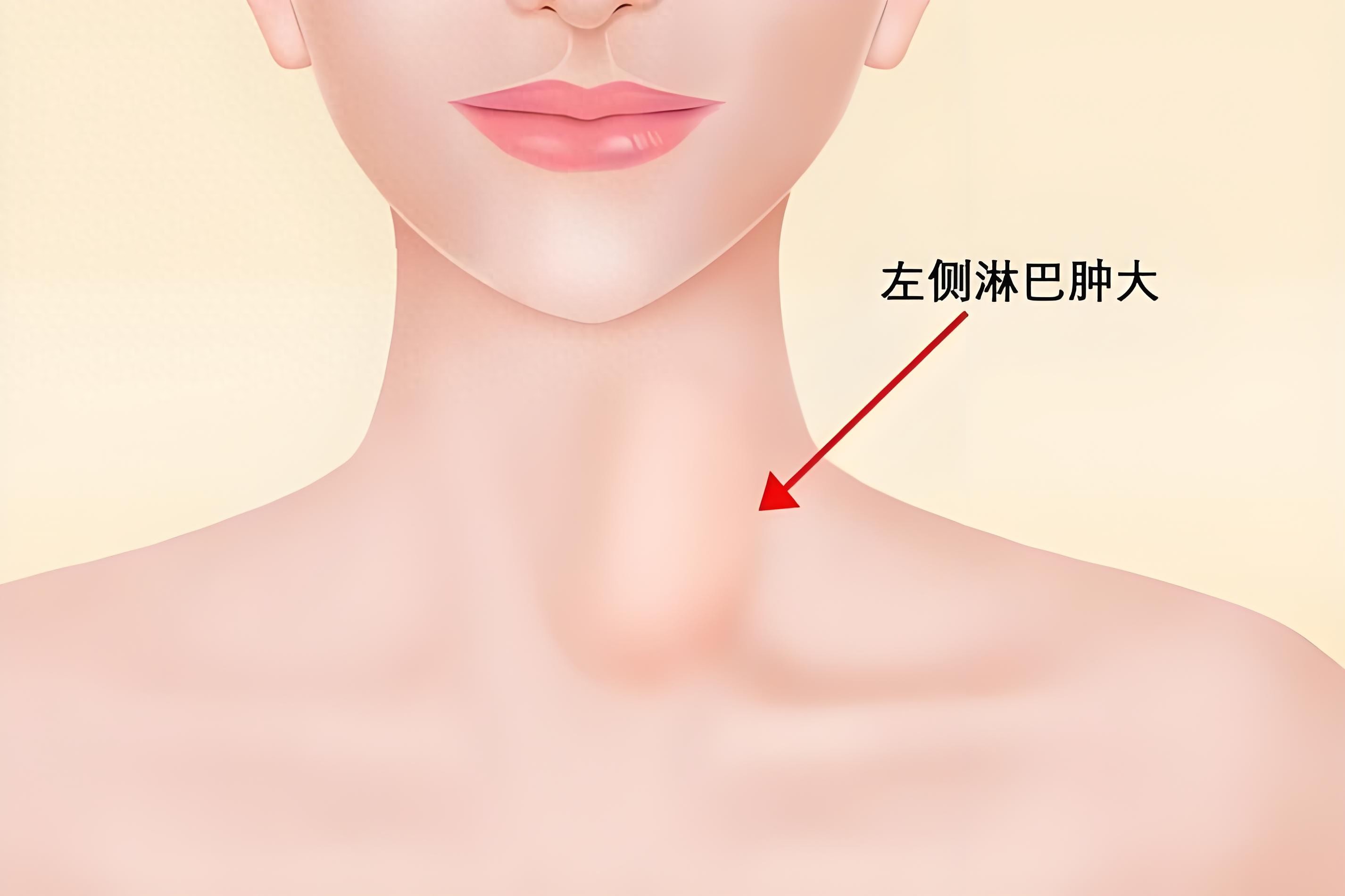
Lymph node enlargement after surgery for minimally invasive lung adenocarcinoma may be caused by tumor lymph node metastasis, lymphadenitis, lymphoma, or other reasons.
1. Tumor Lymph Node Metastasis: Recurrence or metastasis may also occur after surgery for minimally invasive lung adenocarcinoma. When the tumor recurs or metastasizes to the lymph nodes, metastatic lesions form in the lymph nodes, leading to lymph node enlargement.
2. Lymphadenitis: Patients who have undergone surgery for minimally invasive lung adenocarcinoma may have lower immunity. When lymph nodes are infected by bacteria, viruses, fungi, etc., a local inflammatory reaction occurs. The inflammation stimulates the lymph nodes, causing redness, swelling, warmth, and pain, manifesting as lymph node enlargement.
3. Lymphoma: Due to reduced immunity after surgery for minimally invasive lung adenocarcinoma, other neoplastic diseases, such as lymphoma, may occur concurrently. Patients with lymphoma may present with multiple enlarged lymph nodes.
Therefore, patients experiencing lymph node enlargement after surgery for minimally invasive lung adenocarcinoma should promptly seek medical attention, undergo comprehensive examinations to determine the underlying cause, and receive targeted treatment accordingly.